



Losing a word you have used all your life. Reading a paragraph three times. Being sharp at nine and useless at four. These have mechanisms, and most of them are things you can reach.
The phrase people use is that they feel stupid, and they usually apologize for saying it. What they are describing tends to be specific: names that will not come, a paragraph that will not stay, the feeling of thinking through a wet blanket after lunch.
Nearly everyone assumes it is age, and for most of the people who ask us it is not. The brain is the most demanding organ you have, and almost everything about that demand is affected by ordinary things.
The brain is expensive and it keeps nothing in reserve
Your brain is about two percent of your body weight and it spends around twenty percent of your energy. Sitting still, doing nothing in particular, it is the costliest tissue you own.
And it holds almost no store of fuel. Muscle keeps glycogen. Your liver keeps a reserve for the whole body. The brain keeps enough for a few minutes and depends on a steady arrival, minute by minute, of glucose and oxygen.
Which means the brain is unusually exposed to fluctuation. A blood sugar dip, a stretch of shallow breathing, poor circulation to the head, a night of broken sleep, the brain registers all of them quickly, because it has no buffer to hide behind.
That is the first thing to understand about fog. It is often a supply problem in an organ with no pantry.
The expensive part switches off first
Not all of your thinking costs the same.
The front of the brain does the effortful work — holding several things in mind at once, planning, choosing your words precisely, resisting the impulse to say the first thing that arrives. It is the newest, most demanding, most fragile part of the system.
When supply drops or load rises, that is the part that goes offline first, and the older machinery underneath keeps running fine. This is why a tired, hungry, overstretched person can still drive home, hold a conversation and cook dinner while being unable to write a difficult email. The capacity that went is precisely the capacity you notice going.
So "I feel stupid" is usually a report on one specific faculty, under-supplied, at the end of a long stretch of demand.
The brain is built out of fat, and it is built out of what you eat
Sixty percent of the dry weight of your brain is fat. Every one of the billions of cell membranes where signaling actually happens is constructed from fatty acids, and the body builds them from what has arrived recently.
One in particular, an omega-3 called DHA, is concentrated in exactly the membranes that do the fastest signaling. Supplied well, membranes stay fluid and signals move easily. Supplied poorly, the body substitutes whatever fat is available, and the membranes it builds are stiffer and work less well.
Nobody feels this happening. It shows up as a gradual change in how easily thinking flows.
Signals need materials, not just fuel
Neurotransmitters — the chemical messengers between cells — are built from amino acids, using B vitamins, magnesium, iron and zinc as the tools that do the building.
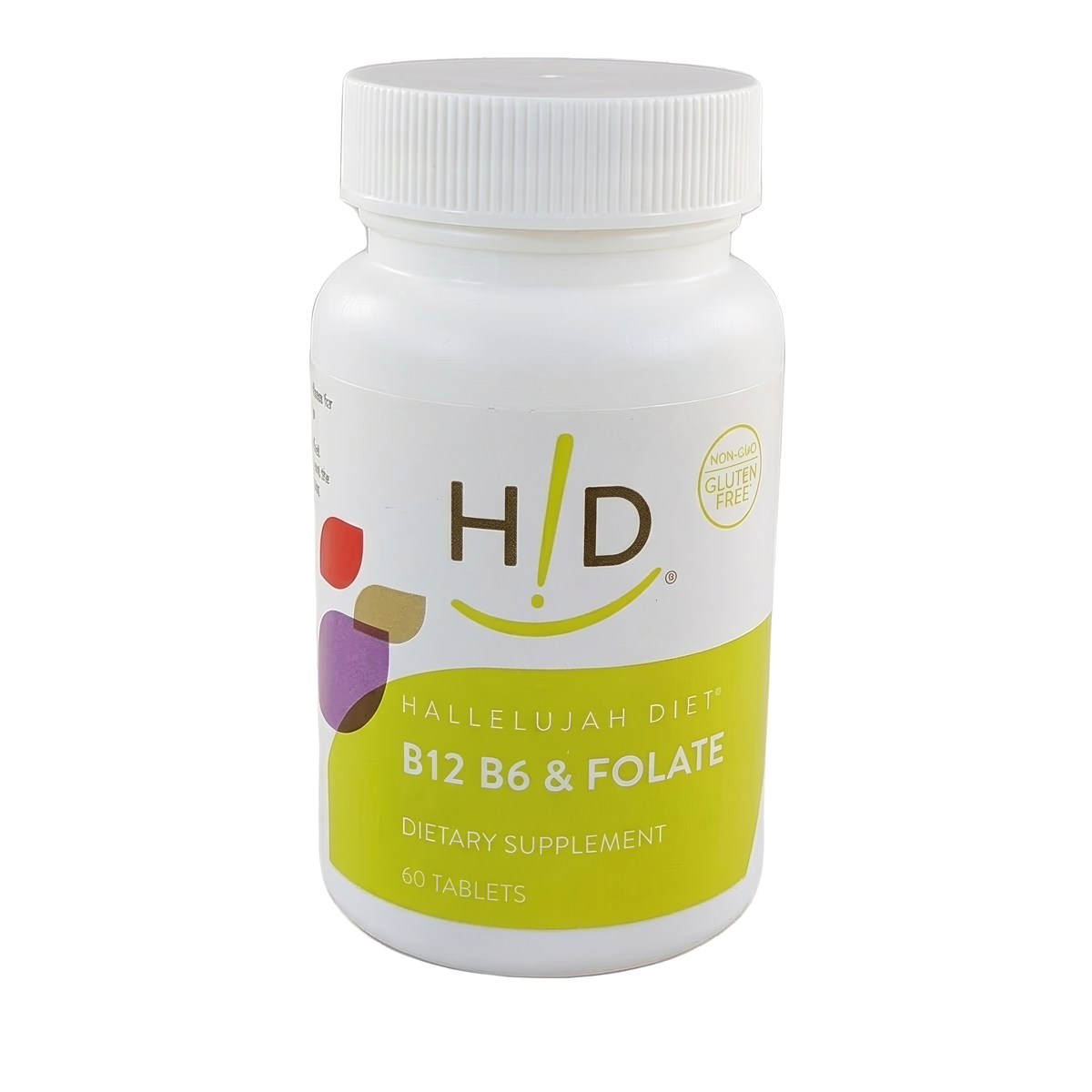
Vitamin B12 deserves its own sentence. It maintains myelin, the insulation around nerve fibers that lets signals travel quickly, and a shortfall shows up as fog, poor memory, low mood and pins and needles. It is stored in the liver for years, so a shortfall builds invisibly and then arrives.
If you eat plant-based, B12 needs a reliable source, a supplement or fortified foods. There is no plant food that provides it dependably. It is the one nutrient where the diet we have taught for thirty years has a gap that has to be filled deliberately. It is not only a plant-based concern. Absorption depends on stomach acid, which falls with age, and several common medications reduce it further, so low B12 is common in people who eat meat too.
Iron carries oxygen, and the brain is the largest consumer of oxygen you have. Low iron produces fog long before it produces anemia.
Magnesium is required by hundreds of enzymes, and it also settles the nervous system's baseline excitability. Short of it, the system runs hot and sleeps badly.
Deep sleep is when the brain is cleaned out
This is the mechanism most people have never heard, and it is the one that explains the most.
The brain has no lymphatic vessels running through it. It clears its own waste by a different route: fluid is pushed through channels that run alongside its blood vessels, flushing metabolic debris out of the tissue.
Those channels open properly only in deep sleep. During deep sleep the brain's supporting cells shrink slightly, the spaces between them widen, and the flush runs at several times its waking rate.
So a night of light, broken, or short sleep is a night in which the previous day's debris was not fully cleared. The next day's fog is not a mood. It is a housekeeping backlog.
The depth matters more than the hours. Eight hours of shallow sleep does less of this than six hours of deep sleep, which is why people who have been in bed all night can wake feeling as though they have not been.
Where it commonly gets stuck
Sleep that is short on depth. Alcohol in the evening is the most common cause and the least suspected, because it makes people fall asleep quickly and then suppresses the deep stage.
Blood sugar swings. A refined-carbohydrate breakfast produces a rise and a counter-swing, and the brain feels the downside as fog around eleven, or at three.
Sustained pressure. Long-running cortisol impairs exactly the front-of-brain functions described above, and it fragments sleep, so it hits twice.
A shortfall of B12, iron, or magnesium, any of which produces fog directly.
Omega-3 short and the industrial seed oils high, so membranes get built from the wrong material.
Sitting still. Movement raises the signaling factor that maintains and grows connections. It is the closest thing to a general tonic for the brain that exists.
Also, no gaps. Attention has a refractory period. A day with no interval in it produces the same fog as a poor night, from a different direction.
What it needs
The food side has its own piece. It comes down to steady fuel rather than spikes, the B group with B12 from a reliable source as above, iron with vitamin C alongside it, magnesium, choline, deeply colored plants, and water, since mild dehydration reduces attention and short-term memory well before thirst becomes obvious.
Omega-3 comes with a conversion problem attached. Ground flaxseed, walnuts, chia and hemp supply the plant form. Your body converts roughly five to ten percent of it into EPA and under one percent into DHA, and for the organ built from those two molecules that is thin. Preformed DHA matters more here than anywhere else, and the food piece says where to get it.
One thing that is not about food:
Protecting the depth of your sleep, which does more for thinking than any food on this list. A dark room, a cool one, no alcohol late, and an hour without a screen.
What to notice in yourself
The shape of your day. Sharp at ten and gone at three points at fuel and sleep. Poor from the moment you wake points at the night itself.
Word-finding, and whether it is worse when you are tired or hungry, which tells you it is supply rather than structure.
Whether a brisk walk clears your head. If it does, blood flow is part of the story, and that is good news.
Whether you wake feeling restored. That is the depth question, and it matters more than the hours on the clock.
Whether you can read something demanding for twenty minutes, and how that compares with a year ago.
And whether you have started needing background quiet to concentrate, which is often the front of the brain running short rather than the room getting louder.
A thought to close
There is a line in Romans about being transformed by the renewing of the mind, and it is pointing at something larger than tissue. It is striking, though, that the organ involved is the one part of you most literally renewed by what you give it — rebuilt from the fats you eat, cleaned out each night, reshaped by what you practice.
That makes fog worth taking seriously rather than accepting. A mind that will not hold a paragraph cannot dwell on much, and a lot of what we are asked to do with our minds assumes they are working.
Most of what this organ asks for is unremarkable. Sleep deeply. Eat in a way that keeps the line flat. Move. Supply the few materials it cannot improvise. None of that is impressive, and the difference it makes usually is.
Questions We Hear Most Often
Q: Is brain fog just part of getting older?
A: For most people who ask us, no. The brain is the most metabolically demanding organ you have and it keeps almost no store of fuel, so it registers blood sugar dips, poor sleep and low iron quickly. Those are supply problems rather than age.
Q: Why am I sharp in the morning and useless by three?
A: That shape points at fuel and sleep rather than at structure. A refined-carbohydrate breakfast produces a rise and a counter-swing, and the brain feels the downside as fog. Feeling poor from the moment you wake points at the night instead.
Q: How does sleep clear the brain?
A: The brain has no lymphatic vessels. It flushes its own waste through channels alongside its blood vessels, and those open properly only in deep sleep. A night of shallow sleep leaves the previous day's debris uncleared, and the next day's fog is that backlog.
Q: Does alcohol affect memory even in small amounts?
A: Its largest effect is indirect and rarely suspected. Alcohol shortens the time it takes to fall asleep and then suppresses the deep stage for the rest of the night, which is the stage that does the clearing.
Q: Do I need B12 if I eat a plant-based diet?
A: Yes. B12 maintains the insulation around nerve fibers, and no plant food provides it dependably. It needs a supplement or genuinely fortified food. It is stored for years, so a shortfall builds invisibly and then arrives as fog, poor memory and low mood.
Keep exploring
→ Foods That Support Your Brain — the food side, in more detail
→ What the Stress Response Actually Does — why pressure costs you the front of your brain
→ How Your Body Works — the full library
If you would rather begin than read, our Get Started Meal Plan lays out the first week for you.
Educational content. Not medical advice.
More food-first writing: MyHDiet.com · AMPMForHealth.com
Reviewed by Olin Idol, ND, CNC — Vice President of Health, Hallelujah Diet