



The thyroid needs a small number of specific things, most of them available in ordinary food. Here is what it uses each one for, and where to find it on a plate.
The thyroid is a small gland with an enormous job. It sets the pace at which everything else runs, how warm you are, how fast you think, how quickly you use what you eat, how much energy is available for the day you are about to have.
It is unusual among organs in how specifically it depends on raw materials. Most of the body is fairly adaptable. The thyroid needs particular things to build its hormones and particular things to activate them, and when those are thin, it cannot improvise.
The good news is how ordinary the list is.
What it builds hormone out of
Iodine is the core of it. Thyroid hormone is built around iodine atoms, and there is no substitute, the gland cannot make hormone without it and cannot make it from anything else.
Sea vegetables are by far the richest source. A sheet of nori a few times a week, dulse flakes over a salad, a little wakame in a soup.
Be deliberate about it. Iodine intake has fallen by more than half since the 1970s. Dairy carries less of it than it once did, food manufacturers use non-iodized salt, and a generation of blood-pressure advice moved people away from the salt shaker. Among women of childbearing age, the share with moderate deficiency went from 4 per cent to 15 per cent over the same stretch.
Which seaweed matters more than how much. They are not interchangeable, and the range between them is enormous. A 2 g sheet of nori carries about 42 micrograms of iodine. Dulse runs about 75 micrograms a gram, wakame about 170. Kelp and kombu run from 1,300 to 2,650 micrograms a gram, and some species carry more than 6,000 — which means a single gram of dried kelp exceeds the whole daily upper limit for an adult. Nori, dulse and wakame at the amounts above are generous and nowhere near the ceiling. Kelp behaves like a supplement, and kelp tablets are the form that turns up in the case reports.
Japan is the reference point, and the number is smaller than people expect. Average intake there is one to three milligrams a day, all of it from food, and that is the level associated with the country's health record. The upper limit set for sustained intake is 1,100 micrograms a day in the United States and 600 in Europe. Food at ordinary amounts does not approach it.
Beyond the sea: potatoes with the skin on, white beans, prunes, and strawberries all contribute modestly. Iodized salt contributes too, though the amount varies and it declines in an open container.
A word about iodine drops. Liquid iodine is sold in drops, and a drop looks like nothing at all. One drop of 5 per cent Lugol's solution carries 6.3 milligrams of iodine. The daily upper limit for sustained intake is 1.1 milligrams, so a single drop is roughly six times it, and the entire daily intake of Japan fits inside half a drop. Protocols that call for four or eight drops a day are working at levels that have been shown to raise TSH in healthy adults who were already used to high iodine — and those effects reverse within weeks of stopping. Food gives you a generous amount of iodine with the ceiling built in.
Tyrosine is the other half. Thyroid hormone is iodine attached to this amino acid, and it comes from protein — pumpkin seeds, almonds, lentils, beans, oats, avocado. A reasonable spread of plant protein across the day covers it without any special effort.
What it needs to switch hormone on
The conversion step is the one that gets missed. The thyroid mostly produces an inactive form of its hormone, and that form has to be converted into the active one out in the body's tissues. A thyroid can be producing perfectly well while conversion runs poorly, and the result feels much the same from the inside.
Conversion depends on a handful of minerals.
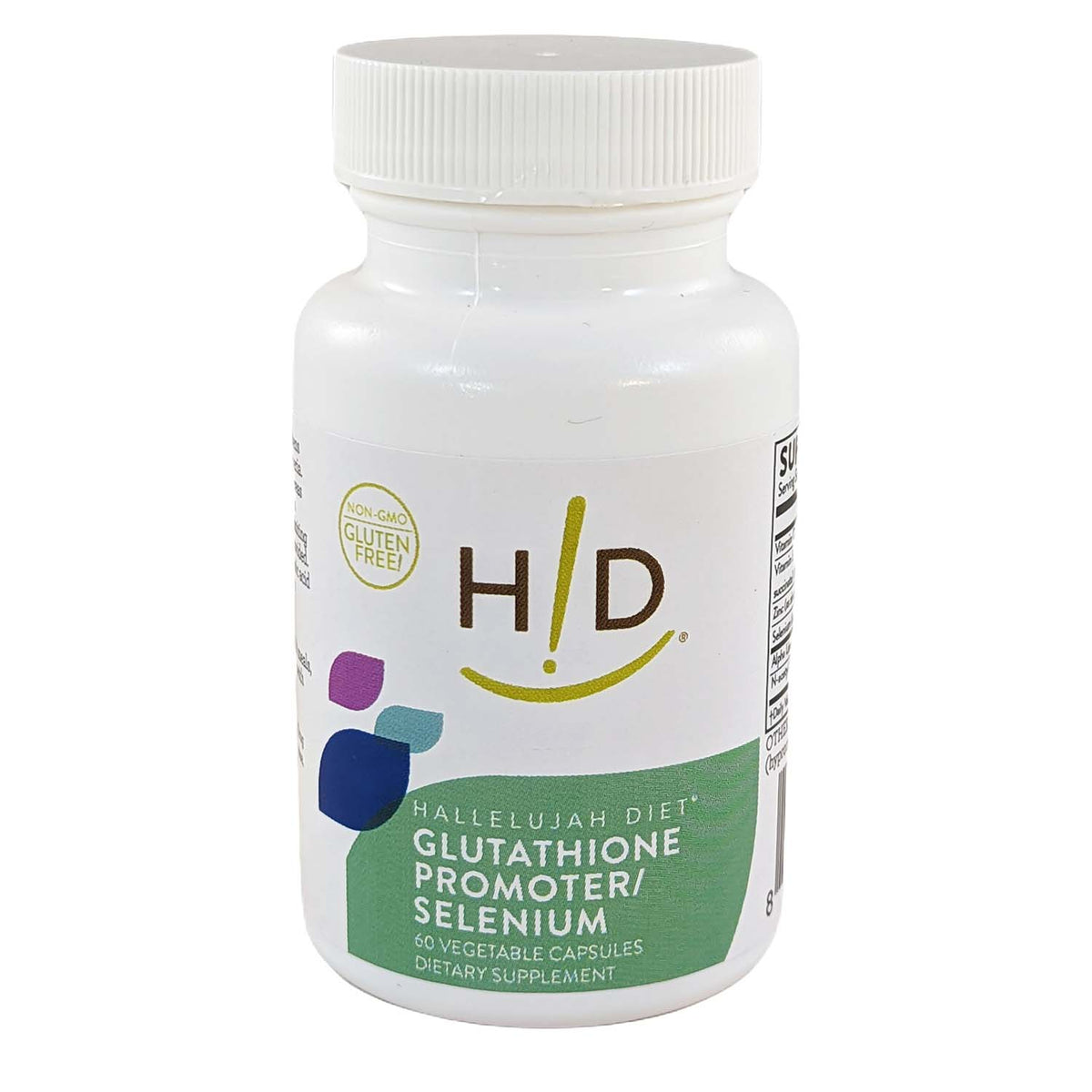
Selenium is the main one. It drives the enzyme that performs the conversion, and it also protects the thyroid from the oxidative stress its own hormone production creates. Brazil nuts are the standout, two or three a day is plenty, and this is another where more is not better. Sunflower seeds, brown rice, oats, mushrooms and beans all contribute.
Zinc is required both for conversion and for the signal that tells the thyroid to produce in the first place. Pumpkin seeds, hemp seeds, cashews, chickpeas, lentils, oats. Soaking beans and grains before cooking makes the zinc in them a good deal more available.
Iron is needed for the enzyme that starts hormone production. Low iron is one of the commoner reasons a thyroid underperforms without anything being wrong with the thyroid. Lentils, beans, pumpkin seeds, dark leafy greens, quinoa, blackstrap molasses. Plant iron is absorbed far better in the presence of vitamin C — squeeze lemon over the greens, put peppers in the bean dish, have fruit alongside.
What supports the whole system
Vitamin A is needed for thyroid hormone to actually do anything once it reaches a cell. Sweet potato, carrots, butternut squash, dark leafy greens, red peppers. Eat these with a little fat — olive oil, avocado, tahini because absorption depends on it.
Vitamin D, which most people are short of for most of the year, is involved in thyroid signaling and immune regulation around the gland. Sunlight is the main route; mushrooms exposed to light contribute something.
Magnesium, for the general enzyme work that sits underneath all of this. Leafy greens, pumpkin seeds, black beans, almonds, cacao.
The cruciferous question
Broccoli, cabbage, kale, cauliflower and their relatives contain compounds that can interfere with iodine uptake, and this has produced a lot of unnecessary worry.
The effect is real and it is small, and it applies meaningfully to raw cruciferous vegetables eaten in large quantity by someone whose iodine is already low. Cooking reduces the compounds substantially. Ordinary amounts, cooked, alongside adequate iodine, are not a problem, and these vegetables carry so much else the body wants that avoiding them costs more than it saves.
If you are eating large raw quantities daily, cook some of it and make sure the iodine side is covered. That is the whole of the adjustment.
Soy, briefly
The same pattern. Soy can interfere with the absorption of thyroid medication, which is a reason to separate them by several hours rather than a reason to avoid soy. In someone with adequate iodine and no medication, moderate whole soy — edamame, tempeh, tofu, miso — has not been shown to cause thyroid problems. Whole and fermented forms behave better than isolated soy protein.
What actually helps, in practice
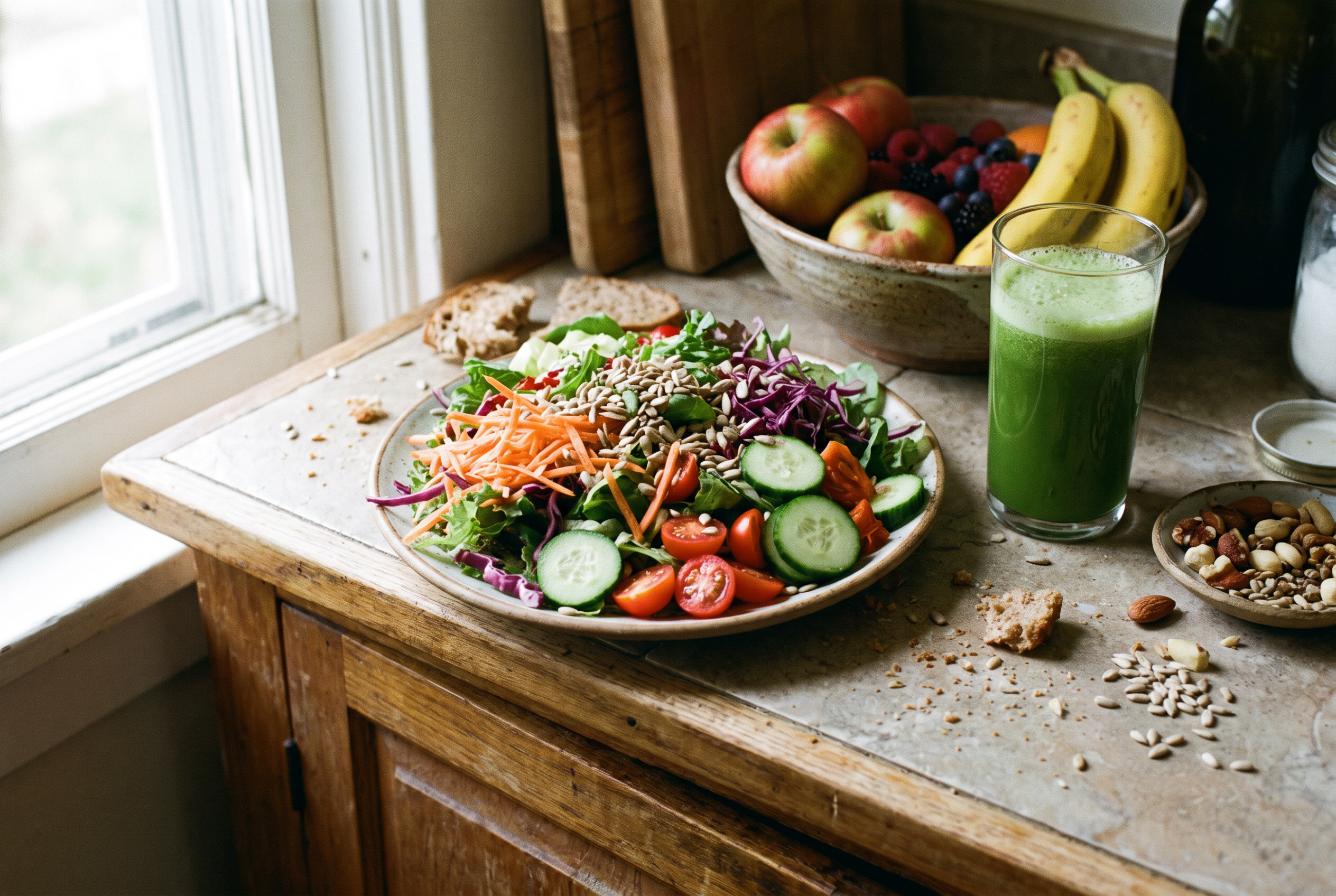
Read back over the list and a pattern emerges. Sea vegetables, seeds, beans, whole grains, leafy greens, orange vegetables, a couple of Brazil nuts, and enough fat to absorb what is fat-soluble.
That is a well-built plate rather than a thyroid protocol.
That is worth saying, because the thyroid attracts more supplement marketing than almost any other organ, and the list of things it actually requires is short and mostly edible. Start with the plate. It covers more of this than people expect.
Three things to build in:
Add something from the sea a few times a week — nori, dulse flakes, a little wakame. Keep two or three Brazil nuts as a daily habit. Put pumpkin seeds on things, which handles zinc, iron, magnesium and tyrosine in a single move.
What to notice in yourself
Energy through the day, and particularly whether it is steady or arrives and leaves. How you handle cold. Hair and skin, which respond to thyroid pace slowly but reliably. Whether those things travel together rather than arriving one at a time.
Give it longer than you want to. The thyroid works on a slow cycle and changes in how you feel commonly take six to eight weeks to become obvious.
A thought to close
It is striking how ordinary the requirements are. Seaweed, seeds, beans, greens, nuts. Nothing rare, nothing that had to be extracted or concentrated or discovered. Food that has been within reach of people for most of history.
The body was designed to be supplied by what grows. That the gland setting the pace for everything else runs on a handful of plants and a little from the sea is not a coincidence. It is the design working as intended, provided we eat close enough to the source for the supply to arrive.
Questions We Hear Most Often
Q: What foods are good for the thyroid?
A: Sea vegetables for iodine, seeds and beans for tyrosine, Brazil nuts for selenium, pumpkin seeds for zinc, lentils and greens for iron, and orange vegetables with a little fat for vitamin A. Two or three Brazil nuts a day covers selenium, and more is not better.
Q: Should I avoid cruciferous vegetables if I have thyroid problems?
A: The effect is real and small, and it applies to large quantities of raw cruciferous vegetables in someone whose iodine is already low. Cooking reduces the compounds substantially. Ordinary amounts, cooked, alongside adequate iodine are not a problem.
Q: Is soy bad for the thyroid?
A: Soy can interfere with the absorption of thyroid medication, which is a reason to separate them by several hours rather than to avoid soy. With adequate iodine and no medication, moderate whole soy has not been shown to cause thyroid problems.
Q: How much iodine do I need?
A: More than most people are getting. Intake has fallen by more than half since the 1970s, because dairy carries less of it, manufacturers use non-iodized salt, and people cut back on the salt shaker. A sheet of nori a few times a week, or dulse flakes on a salad, covers it. Japan averages one to three milligrams a day entirely from food, which is the level behind the health record everyone cites. The upper limit for sustained intake is 1,100 micrograms a day, and those amounts do not approach it. Kelp is the one form that can, since a single gram of some dried kelp carries more than a full day's limit on its own.
Q: How long before thyroid changes show up?
A: Six to eight weeks, commonly longer. The thyroid works on a slow cycle and people often stop just before they would have noticed.
Keep exploring
→ How the Thyroid Sets Your Pace — how the gland actually works
→ What the Stress Response Actually Does — why sustained pressure slows metabolic pace
→ How Your Body Works — the full library
If you would rather begin than read, our Get Started Meal Plan lays out the first week for you.
Educational content. Not medical advice.
More food-first writing: MyHDiet.com · AMPMForHealth.com
Reviewed by Olin Idol, ND, CNC — Vice President of Health, Hallelujah Diet