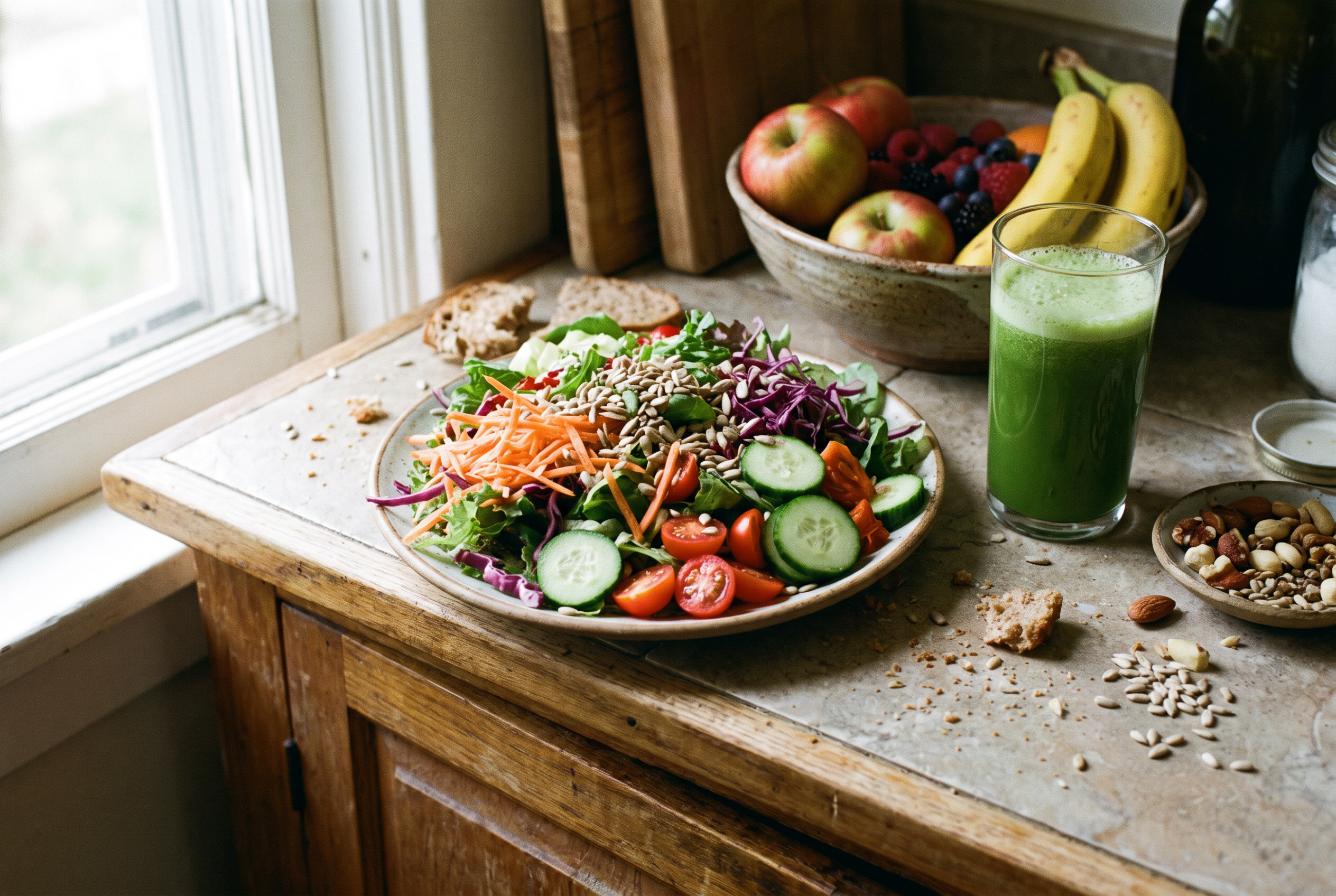




Filling a store is a different job from covering today's needs. It takes longer, it depends more on absorption than on intake, and a handful of foods do most of the work.
There is a difference between eating enough for today and refilling what has run down over ten years. The first is a daily balance. The second is construction.
Construction is slower, and it has a condition attached: what you eat and what arrives are different numbers. Someone restocking a store has to care about absorption in a way that someone merely getting by does not. Most of the technique below is about closing that gap.
The four foods that do most of it
Before the detail, the short answer. Four things cover an unreasonable share of what depletes.
Pumpkin seeds — magnesium, zinc, iron, copper, manganese, protein, and the amino acids collagen and the liver both want. No single food on our shelves is better value per spoonful.
Dark leafy greens — magnesium, folate, vitamin K, calcium, iron, potassium, and carotenoids.
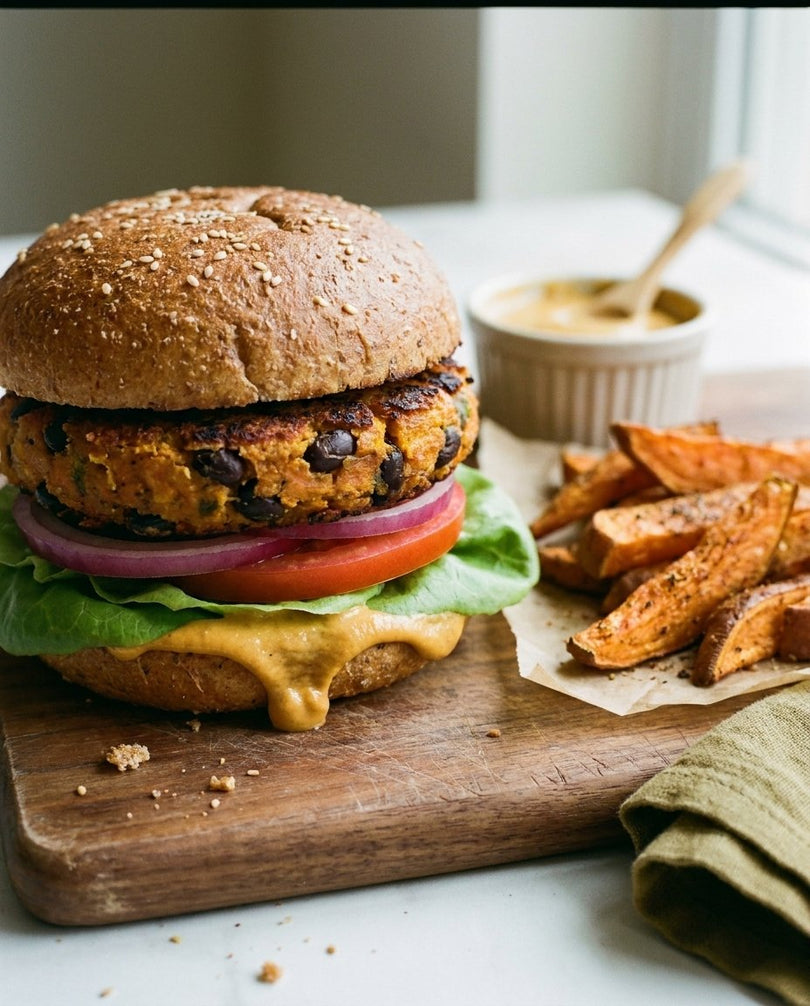
Lentils and beans — iron, zinc, magnesium, folate, B6, molybdenum, potassium, protein and fiber.
Sea vegetables — iodine and the trace minerals inland soil no longer carries. Nori, dulse, wakame, kelp. A small amount regularly; iodine is one of the few nutrients where more is not better.
Someone eating those four most days is short of very little. Everything below is why.
The ones that empty first
Magnesium is the most commonly depleted mineral there is, and pressure spends it faster than anything else. It is also structural in bone, which is where most of your store sits. Pumpkin seeds, leafy greens, black beans, almonds, cacao, whole grains, avocado.
Iron, where the store — ferritin — falls a long way before a blood count changes. Lentils, beans, pumpkin seeds, dark greens, quinoa, blackstrap molasses, dried apricots. Women who have menstruated for thirty years have made a large, slow withdrawal.
Zinc, spent on every immune response and on repair. Pumpkin seeds, hemp seeds, cashews, chickpeas, lentils, oats.
Vitamin C, which is barely stored at all and is spent continuously under pressure. Peppers, black currants, strawberries, kiwi, citrus, broccoli, parsley. A little at most meals rather than a lot once.
The B group, which has no real reservoir apart from B12. Whole grains, beans, greens, seeds, nutritional yeast. B12 needs a reliable source, a supplement or really fortified food. No plant provides it dependably, and it is the one gap in this way of eating that has to be filled deliberately. Low B12 also turns up in people who eat meat, since absorption falls with age.
Vitamin D, stored in fat and low in most people for much of the year. Sunlight is the route; mushrooms left in the light contribute a little.
The technique, which matters more than the list
Soak, sprout or ferment. Beans, grains, nuts and seeds carry phytates that bind minerals and carry them out unabsorbed. Soaking overnight, sprouting for a day, or a long ferment breaks much of that down and frees up markedly more of the zinc, iron and magnesium already in the food. This changes the yield of nearly everything above and costs only forethought.
Put vitamin C with plant iron. It raises absorption several times over. Lemon over the greens, peppers in the bean dish, fruit alongside. Nothing else on this page changes the yield as much.
Keep tea and coffee away from meals. The tannins in both bind iron and zinc substantially. An hour either side is enough.
Eat fat with the fat-soluble ones. Vitamins A, D, E and K need it, as do the carotenoids in greens. Olive oil, tahini, avocado, nuts. Dressing on the salad is not indulgence; it is how the salad works.
Cook some things and not others. Heat destroys vitamin C and folate, and it raises the absorbable carotenoids in carrots, tomatoes and greens. So a plate with some raw and some cooked beats either alone, which is the balance HD has recommended for thirty years for exactly this reason.
Chew. Minerals bound in plant tissue need the cell walls broken to be reached, and chewing is the only part of digestion under your direct control.
Two stores worth treating separately
Most of this list refills gradually and invisibly. Two behave differently enough to name.
Iron rebuilds slowly and can be checked. Ferritin is the store, and it is a cheap test that reports on the thing blood counts miss. A woman restocking after decades of menstruation is looking at months of consistent eating rather than weeks, and knowing the starting number makes the wait easier to bear. Asking for a ferritin figure is asking for data rather than permission.
Vitamin D barely stores at all through a northern winter. Sun exposure between spring and fall builds what there is, and by February most people have spent it. That is a seasonal pattern rather than a personal failing, and it is worth knowing which half of the year you are in.
Lowering the spend, which is half the arithmetic
A store fills when arrivals exceed withdrawals, so the withdrawal side is worth as much attention as the plate.
Rest truly counts as nutrition here, because pressure raises the spend rate on magnesium, B vitamins and vitamin C without touching what you eat.
Alcohol both spends and blocks.
And eating enough. Under-eating while trying to refill a store is working against yourself, and a body that reads food as scarce lowers its own running speed rather than building anything.
What actually helps, in practice
Three changes, and what each one buys:
Keep pumpkin seeds somewhere visible and put them on things: that one habit covers magnesium, zinc, iron and copper at once. Start a jar of beans or lentils soaking the night before you cook them, and squeeze lemon over anything green. Move tea and coffee an hour away from your meals.
What to notice in yourself
Recovery time, which is the truest measure of a reserve you have. Not how you perform on a good day, how long it takes to come back from a late night, a hard week, a cold.
Hair and nails, which are an honest readout because the body treats them as expendable.
How you handle cold. Whether small cuts close as quickly as they used to.
Give it months rather than weeks. Stores that emptied over ten years refill slowly. What changes first is usually sleep, then energy, then the thing you were actually worried about — later than you would like, and in that order.
A thought to close
There is an old pattern of gathering and storing — grain put by, oil kept in a jar, provision made in the good season for the lean one. Joseph laid up grain through seven plentiful years against the seven lean ones that followed (Genesis 41:35-36). It runs through Scripture as ordinary wisdom rather than as instruction.
The body does the same thing with minerals, in bone and liver and muscle, and it has been quietly spending the store while you got on with your life. Refilling it is unglamorous work: seeds on things, beans soaked the night before, lemon on the greens, and enough rest that the spending slows.
None of that is a protocol. It is provision, made a little at a time, in the way provision has always been made.
Questions We Hear Most Often
Q: What are the best foods for restoring depleted nutrients?
A: Four cover most of it: pumpkin seeds, dark leafy greens, lentils and beans, and sea vegetables. Someone eating those most days is short of very little.
Q: Why am I still deficient when I eat well?
A: Because eating and absorbing are different events. Soaking beans and grains, putting vitamin C with plant iron, keeping tea and coffee an hour away from meals, and eating fat with the fat-soluble vitamins all change how much actually arrives.
Q: How do I absorb more iron from plants?
A: Put vitamin C in the same meal — lemon over the greens, peppers in the bean dish, fruit alongside. It raises absorption several times over and is the single most effective thing on the list.
Q: Does soaking beans and grains really matter?
A: Beans, grains, nuts and seeds carry phytates that bind minerals and carry them out unabsorbed. Soaking overnight, sprouting, or a long ferment breaks much of that down and frees up more of the zinc, iron and magnesium already in the food.
Q: How long does it take to rebuild depleted stores?
A: Months rather than weeks, and iron in particular. Ferritin is a cheap test and knowing the starting number makes the wait easier to bear.
Keep exploring
→ Reserves: Why You Were Fine Until You Suddenly Were Not — how storage works and why blood tests miss it
→ How Digestion Actually Works — why intake and arrival are different numbers
→ How Your Body Works — the full library
If you would rather begin than read, our Get Started Meal Plan lays out the first week for you.
Educational content. Not medical advice.
More food-first writing: MyHDiet.com · AMPMForHealth.com
Reviewed by Olin Idol, ND, CNC — Vice President of Health, Hallelujah Diet