



Your blood vessels are not pipes. They are muscular tubes with a living lining that decides how wide they open, and that lining takes its instructions partly from what you ate.
The molecule at the center of this is nitric oxide. When the lining of a blood vessel releases it, the muscle in the vessel wall relaxes and the vessel widens, more blood, at lower pressure.
There are two separate routes to it. The lining makes its own from an amino acid, and there is a second route that runs from nitrate in food and does not depend on the lining being in good condition. Food supplies both, and the second route is why green leaves matter here as much as beets do.
Route one: nitrate from leaves and roots
This is the direct route, and it is unusual in how quickly it works, a measurable effect within a couple of hours of eating.
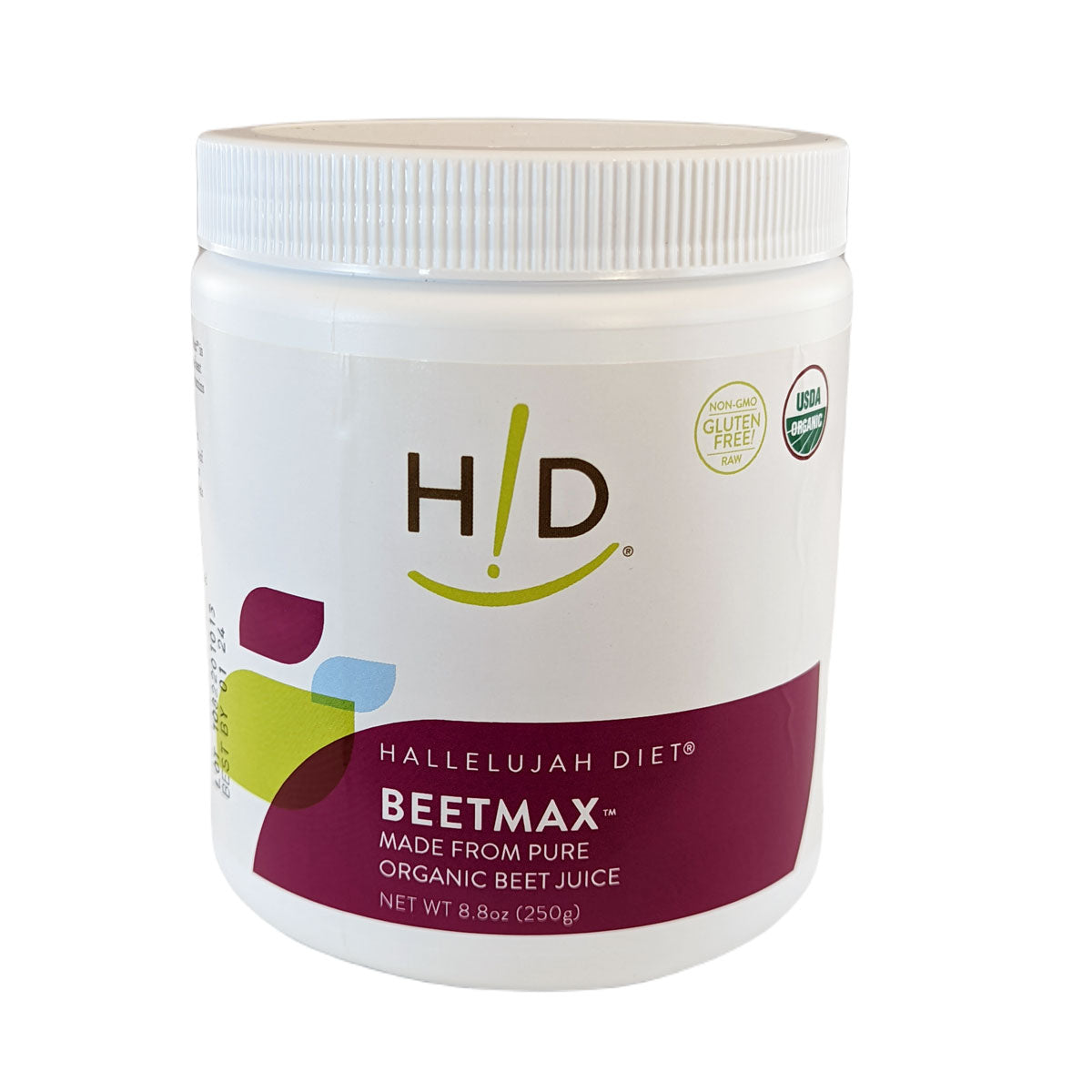
Arugula is the richest of the leaves by a wide margin. Then spinach, lettuce, chard, celery, and beets, which are the best known and really effective.
Two practical points change how much you get.
Long boiling leaches nitrate into the water. Raw, lightly steamed, or with the cooking water kept.
The conversion begins with bacteria on your tongue. An antiseptic mouthwash removes them and interrupts this route for hours. It is an odd thing to have to say, and one of the easiest to act on.
Beet greens count, so keep the tops rather than throwing them away.
Route two: helping the lining make its own
Citrulline is the raw material the lining converts into what nitric oxide is built from. Watermelon is far the best source, along with cucumber and pumpkin seeds.
Vitamin C and the polyphenols protect nitric oxide once it is made, which matters because it is fragile and is broken down quickly by oxidative stress. A vessel lining under load produces less and loses more of what it produces.
Dark berries — blueberries, blackberries, black currants, cherries. Pomegranate, which has the most evidence behind it for this specific job. Red grapes. Unsweetened cocoa, which has a real and repeatedly measured effect on blood flow. Green tea.
Garlic, both raw and cooked, which acts on nitric oxide availability and on the lining itself. Crushed and left for ten minutes before heating produces more of the active compound.
Setting vessel tone: the two minerals
Magnesium relaxes the smooth muscle in vessel walls and most people are short of it. Pumpkin seeds, leafy greens, black beans, almonds, cacao, whole grains.
Potassium works with it, and the modern diet is unusual in having far more sodium than potassium, the reverse of what the body was built for. Potatoes with the skin, beans, bananas, avocado, greens, squash, dried apricots.
Raising potassium from food does more for vessel tone than cutting sodium alone, and it is a more pleasant instruction to follow.
Keeping blood itself flowing well
Water. Dehydration thickens blood and makes every part of this harder. It is the least interesting item here and the most immediate.
Omega-3 fats, which make red blood cells more flexible and lower the inflammatory tone of the vessel lining. Ground flaxseed, walnuts, chia, hemp.
Fiber and the whole-food pattern, for the lining's longer-term condition. It is exposed to everything in the blood passing over it, and a high load of processed food and high blood glucose damages it. Less nitric oxide follows from a damaged lining.
Ginger and cayenne, both traditionally used as warming circulatory foods, both with a genuine effect on flow.
Keeping calcium out of the vessel wall
A separate job from everything above, and one most circulation advice leaves out.
Calcium belongs in bone. When it deposits in the wall of an artery instead, the vessel stiffens and loses the ability to widen. What decides where calcium goes is vitamin K2, which activates the proteins that place it into bone and the proteins that keep it out of arteries.
Natto is far the richest source. Miso, sauerkraut, kimchi and other ferments contribute, and gut bacteria make some, which is one more reason fiber matters here.
It is the same nutrient doing the same job in the bone article, seen from the other side.
Timing, for the one food where it matters
Most of this list works cumulatively. Nitrate is the exception: the effect on blood flow peaks somewhere around two to three hours after eating and fades over the rest of the day.
Which means a beet or a bowl of arugula a couple of hours before a walk, a hill, or anything you want your legs to cope with is doing something specific. Athletes have used this for years. It works just as well on a Tuesday afternoon.
Two things that undo it
High blood glucose over years, which damages the lining directly. Steady blood sugar is a circulation strategy.
Smoking, which is the largest single factor against everything above.
What actually helps, in practice
Where to start:
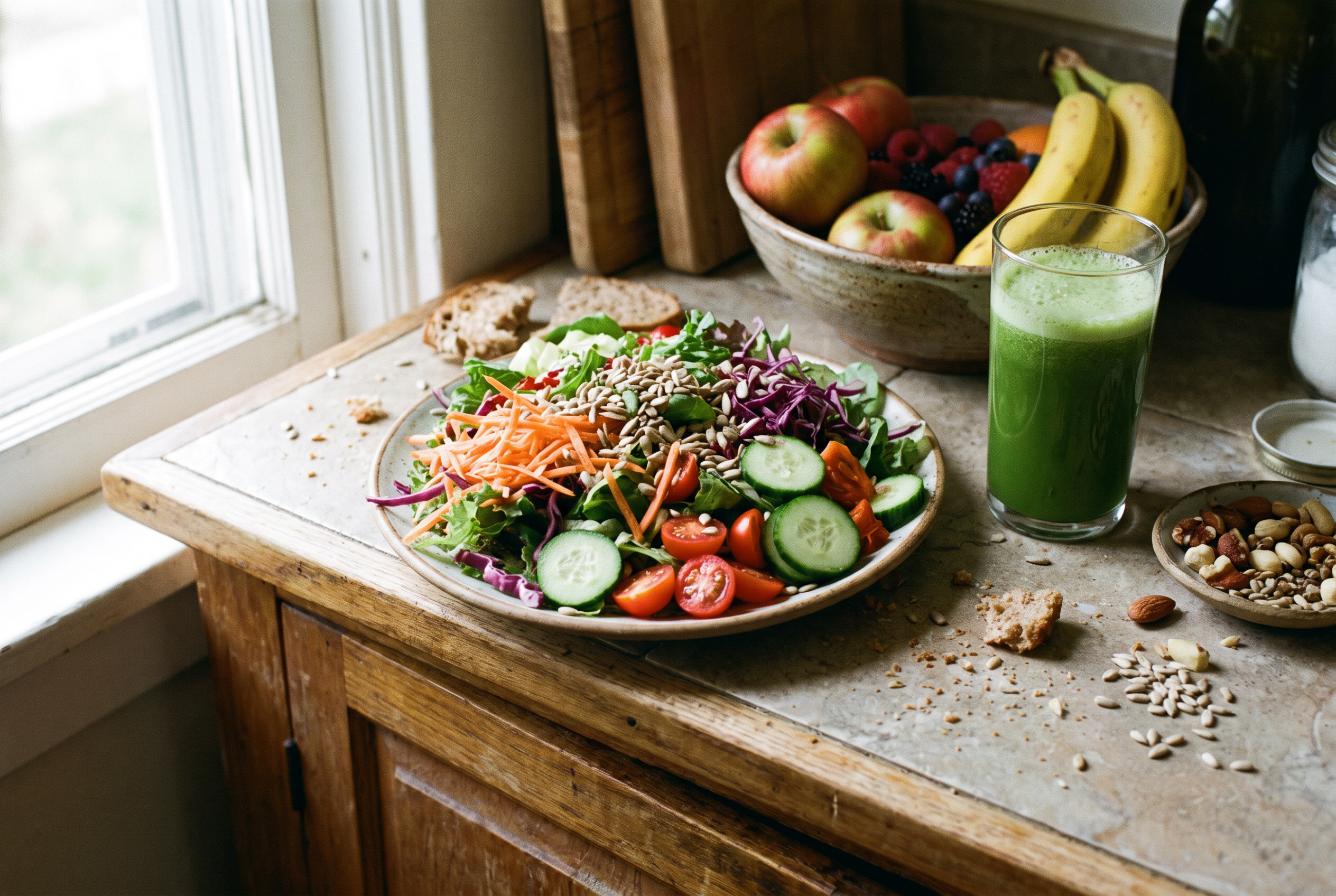
Have a handful of arugula or another nitrate-rich leaf most days. It is the fastest-acting item here. Put pumpkin seeds on things, which covers magnesium and citrulline at once. Stop using antiseptic mouthwash, which is a subtraction that gives you back a whole route.
And none of it substitutes for movement. The primary signal telling a vessel lining to make nitric oxide is the drag of blood moving across it, which means walking does more than any food on this list. Food supplies the materials; flow gives the instruction.
What to notice in yourself
Whether a brisk walk makes your hands warm afterward. If it does, the routing is responsive, which is most of what you want to know.
Your hands and feet, and whether they are cold in rooms other people find comfortable.
The color of your lower legs late in the day, and whether socks leave a mark that stays.
How you feel on standing up quickly.
And whether any of it changes across two weeks of greens and walking. Circulation answers faster than most things, which makes it satisfying to work on.
A thought to close
There is a neat symmetry in this list that is easy to miss.
A green leaf is green because of chlorophyll, and chlorophyll is built around a magnesium atom at its center. Eat the leaf and you receive the magnesium that relaxes your vessel walls, along with the nitrate your body turns into the molecule that widens them. The same leaf carries both, and it was not assembled for your benefit.
Nothing on this list was designed for us in particular. It simply turns out that what a plant builds to live on is close to what we need to keep blood moving, which is either a very long coincidence or a fairly deliberate arrangement.
“And God said, Behold, I have given you every herb bearing seed, which is upon the face of all the earth, and every tree, in the which is the fruit of a tree yielding seed; to you it shall be for meat.” (Genesis 1:29)
The green leaf is the herb bearing seed, and this is what it was given for. The instruction is short: eat the green things, drink enough water, and go for a walk.
Questions We Hear Most Often
Q: Which foods improve circulation?
A: Nitrate-rich greens and beets are the fastest-acting — arugula most of all, then spinach, lettuce, chard and celery. Then watermelon for citrulline, dark berries and cocoa to protect nitric oxide once made, garlic, and magnesium and potassium from seeds, beans and potatoes.
Q: Does beet juice really help blood flow?
A: Yes, and the timing matters. The effect peaks around two to three hours after eating and fades over the rest of the day, so beets or arugula a couple of hours before a walk or a hill is doing something specific.
Q: Why does mouthwash affect blood pressure?
A: Converting nitrate from food into a usable form starts with bacteria on your tongue. An antiseptic mouthwash removes them and interrupts that route for hours, which makes stopping it a subtraction that gives you back a whole pathway.
Q: Is cutting salt the best way to lower blood pressure?
A: Raising potassium from food does more for vessel tone than cutting sodium alone, and it is a more pleasant instruction to follow. Potatoes with the skin, beans, bananas, avocado, greens and squash.
Q: What keeps calcium out of my arteries?
A: Vitamin K2 activates the proteins that place calcium into bone and the proteins that keep it out of artery walls. Natto is richest, with miso, sauerkraut and other ferments contributing.
Keep exploring
→ How Circulation Actually Works, and Why Cold Hands Are Information — routing, the lining, and the second heart in your calf
→ Energy Is Not a Quantity. It Is a Steady Line. — why steady blood sugar protects the vessel lining
→ How Your Body Works — the full library
If you would rather begin than read, our Get Started Meal Plan lays out the first week for you.
Educational content. Not medical advice.
More food-first writing: MyHDiet.com · AMPMForHealth.com
Reviewed by Olin Idol, ND, CNC — Vice President of Health, Hallelujah Diet