




Mucus is mostly water, the lining that makes it is built from a specific vitamin, and the muscle around your airways relaxes with a mineral most people are short of. Here is the food side of breathing well.
The airway is a long moist tube with a lining that has to stay intact, produce the right amount of mucus, keep it thin enough to move, and stay calm when something irritating comes past.
Every one of those depends on materials that arrive in food, and the first one is not food at all.
Water, before anything else
Mucus is around ninety-five percent water. Thin, mobile mucus traps particles and is swept out. Thick, sticky mucus sits where it is and blocks the narrow openings your sinuses drain through.
Which makes hydration the most direct thing you can do for congestion, and the one most people skip while reaching for something else. Most of a day's water should come as water rather than as tea or coffee.
Warm fluids do more than cold ones here. Warm water, herbal tea, and broth thin mucus and get the cilia moving, and steam helps from the outside while you drink.
The lining itself
Vitamin A builds and maintains the mucous membranes of your nose, sinuses and lungs. Short of it, the lining thins, produces less mucus, and loses some of its cilia, which is the opposite of a congestion problem and just as much of a defense problem.
From plants it arrives as beta-carotene, which the body converts. Sweet potato, carrots, butternut squash, pumpkin, dark leafy greens, red peppers, apricots, cantaloupe. It is fat-soluble, so eat it with something fatty — olive oil on the roast squash, tahini with the carrots.
Vitamin C concentrates in the fluid lining your airways, where it works as an antioxidant against everything you breathe in. Peppers, berries, citrus, kiwi, broccoli, parsley. Spread through the day, since none of it is stored.
Zinc maintains the integrity of the lining and is used in every immune response happening there. Pumpkin seeds, hemp seeds, cashews, chickpeas, lentils, oats.
The muscle around the airways
The tubes in your lungs are wrapped in smooth muscle that tightens and relaxes, changing how much air gets through.
Magnesium relaxes that muscle. It is one of the better-established roles magnesium has, and most people are short of it. Leafy greens, pumpkin seeds, black beans, almonds, cacao, whole grains, avocado.
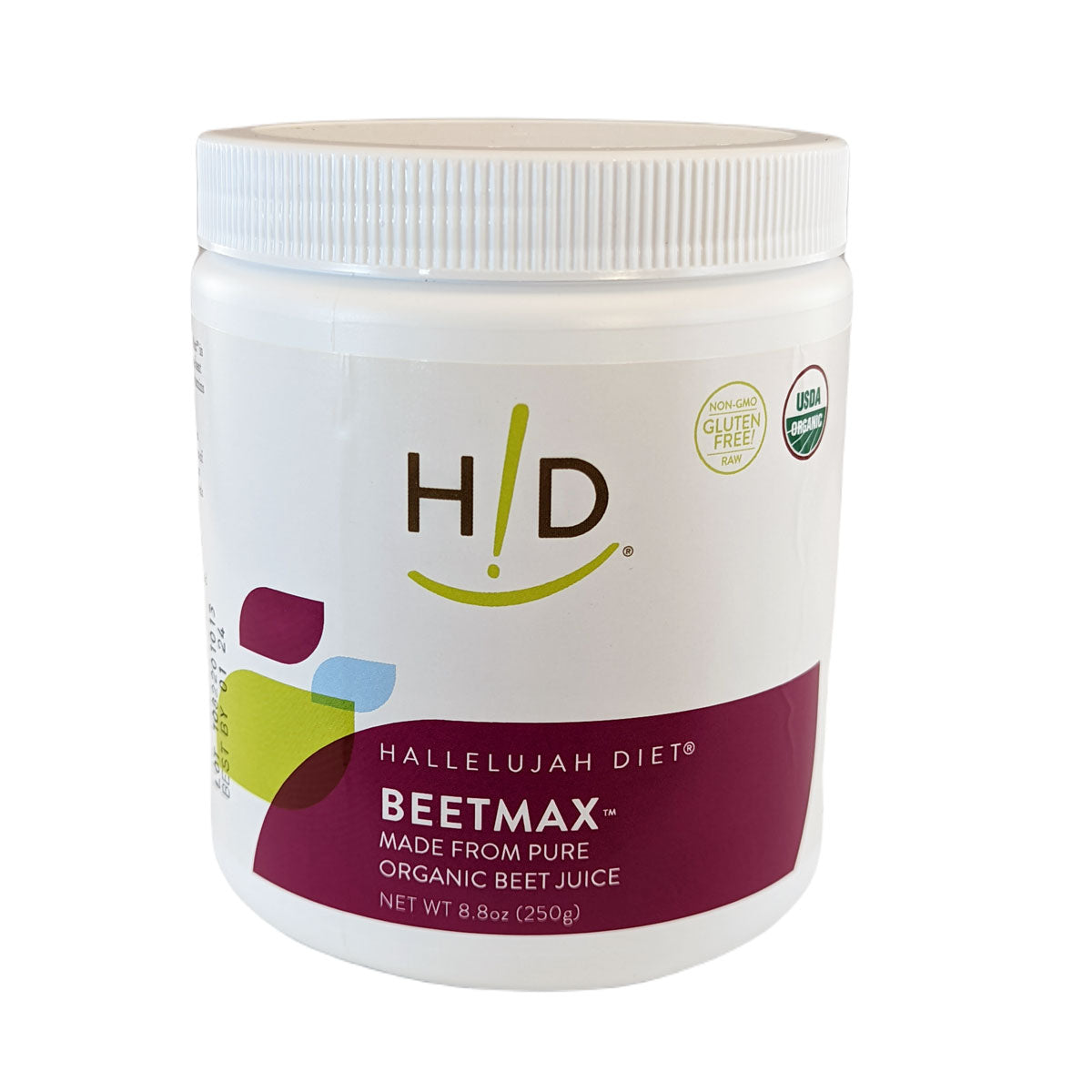
Nitrate-rich greens and beets raise nitric oxide, which opens airways slightly and improves the exchange of oxygen in the lungs. Arugula, spinach, lettuce, chard, celery, beets. The same short list that does the work in the circulation piece.
Settling the response
An airway that reacts readily is an airway carrying a high histamine load, and food influences that from two directions.
Quercetin stabilizes the cells that release histamine, making them less likely to fire. Red onions are the richest common source, then apples with the skin, capers, dill, kale, black currants, green tea, and buckwheat. Onions and apples together, most days, is the practical version.
Omega-3 fats feed the resolution side of inflammation, the active process that shuts a response down and clears up afterward. Ground flaxseed, walnuts, chia, hemp.
And some foods carry histamine or prompt its release in people who are sensitive. Aged and fermented foods, alcohol, and long-stored leftovers are the common ones. This varies enormously between people, so it is worth noticing rather than avoiding pre-emptively. Fermented foods do real good for most people, and a minority do better with less of them.
The aromatics, which earn their reputation
These are traditional and they have plain mechanisms.
Ginger relaxes airway smooth muscle and is warming. Fresh, grated into hot water with lemon.
Garlic and onions, raw where you can manage it, for their sulfur compounds.
Horseradish and mustard, which thin mucus quickly and noticeably. A small amount clears a head better than most things in a cabinet.
Thyme and peppermint. Thyme has long been used for coughs and it is pleasant in a tea. Peppermint opens the nose by the sensation as much as anything, and that counts.
Turmeric with black pepper, for the general inflammatory load.
Pineapple, for bromelain, an enzyme that thins mucus and has a long history of use for exactly that. The core carries more of it than the flesh.
And cayenne or chili, which thin secretions and get things moving.
The things that work against it
Dehydration, which is the main one.
Sugar, which raises the general inflammatory load and offers nothing.
Dairy for some people. It does not increase mucus production, which is the common claim, and it does make existing mucus feel thicker in the mouth for a proportion of people. Whether it matters to you is worth testing on yourself rather than assuming.
Dry indoor air, which is not food and undoes the hydration work faster than anything else.
How long each part takes
The timescales here differ enough to be worth separating, because judging all of it at once gives the wrong answer.
Hydration works within a day or two. Thinner mucus is the fastest change available in this whole library, and it is the one to test first.
The aromatics work within minutes and wear off just as fast. They are relief rather than repair, and useful on that basis.
The lining takes weeks. Vitamin A, vitamin C and zinc are rebuilding tissue that turns over on its own schedule, so give that a month or more.
Magnesium and the omega-3 fats take longest — several weeks before the muscle tone and the inflammatory side settle into a different baseline.
What actually helps, in practice
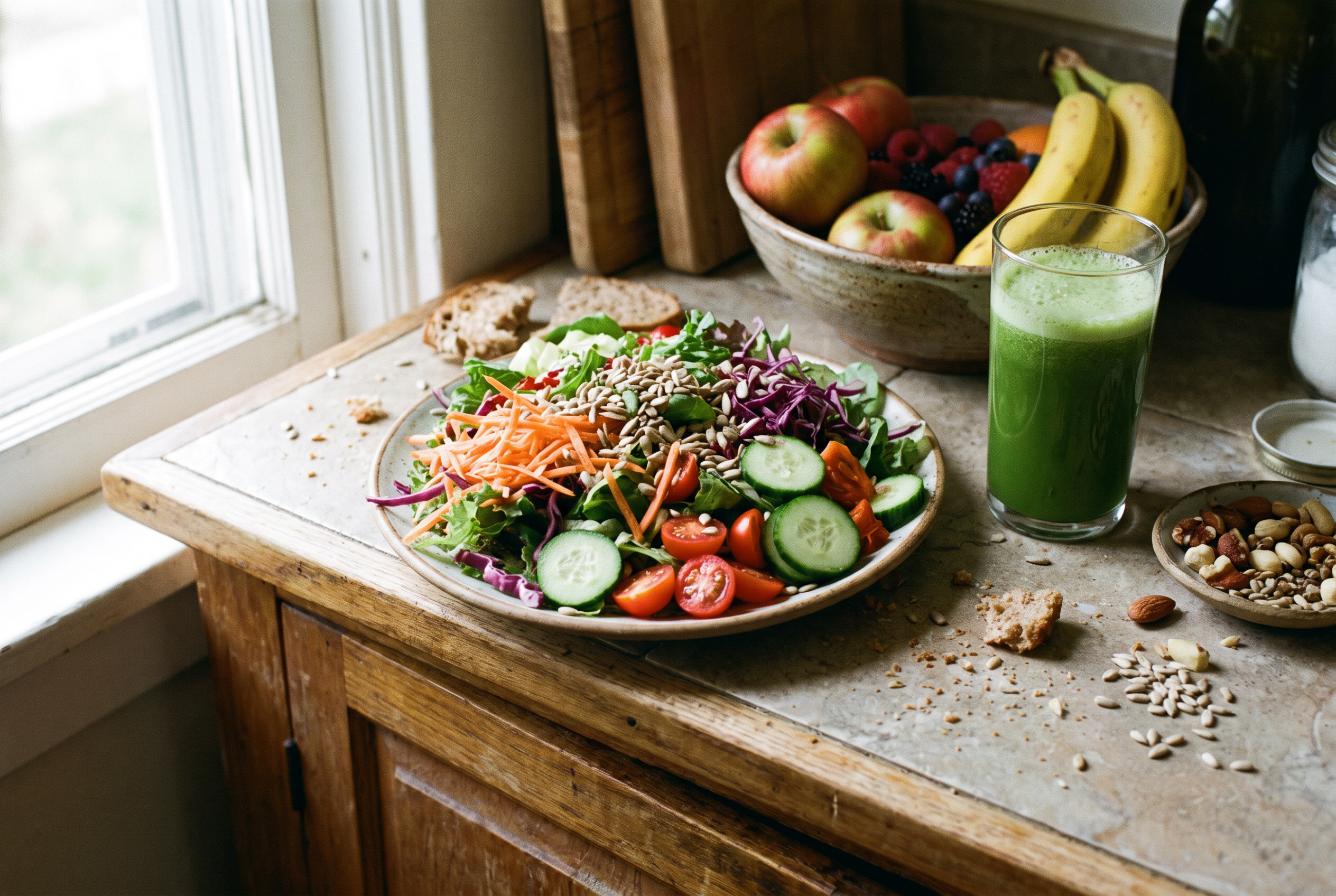
The overlap is striking once it is laid out. Onions, apples, greens, peppers, pumpkin seeds, sweet potato, ginger, and a great deal of water.
Three changes that cover most of it:
Drink warm water through the day rather than cold, and more of it than you currently do. Put red onion and apple into something most days, which handles quercetin without effort. Have an orange vegetable with fat several times a week for the lining.
What to notice in yourself
Whether congestion tracks your water intake across a week. That is the quickest experiment here and usually the most convincing.
Whether your nose is clearer in a humid room and worse in a dry one.
Whether mucus is thin and clear or thick and sticky, which tells you about hydration rather than about infection.
Whether one particular food consistently precedes a stuffy morning. Notice it a few times before concluding anything.
How your breathing feels after a week of magnesium-rich food, which is slower to show and worth the wait.
A thought to close
Nothing here is exotic. Onions, apples, greens, ginger, water.
There is something fitting about the system that handles every breath being supported by the plainest things in the kitchen. The body is not asking for anything rare. It is asking to stay moist, to have its lining built, and to be given a reason to settle.
Questions We Hear Most Often
Q: What foods help clear sinus congestion?
A: Water first, because mucus is around ninety-five percent water and hydration is the most direct thing you can do. Then warm fluids, horseradish and mustard which thin mucus quickly, ginger, and pineapple for bromelain.
Q: Does dairy cause mucus?
A: It does not increase mucus production, which is the common claim. It does make existing mucus feel thicker in the mouth for a proportion of people. Whether it matters to you is worth testing rather than assuming.
Q: Which foods help with seasonal allergies?
A: Quercetin stabilizes the cells that release histamine, and red onions are the richest common source, then apples with the skin, capers, dill, kale and green tea. Onions and apples most days is the practical version.
Q: Does magnesium help breathing?
A: It relaxes the smooth muscle wrapped around the airways, which is one of the better-established roles it has, and most people are short of it. Greens, pumpkin seeds, black beans, almonds and whole grains.
Q: How quickly do these changes work?
A: Hydration within a day or two. The aromatics within minutes, wearing off just as fast. The lining takes weeks, and magnesium and omega-3 several weeks before the baseline shifts.
Keep exploring
→ You Are Probably Breathing Too Much — how breathing and the sinuses actually work
→ Your Immune System Is Not a Strength Setting — the barrier this lining is part of
→ How Your Body Works — the full library
If you would rather begin than read, our Get Started Meal Plan lays out the first week for you.
Educational content. Not medical advice.
More food-first writing: MyHDiet.com · AMPMForHealth.com
Reviewed by Olin Idol, ND, CNC — Vice President of Health, Hallelujah Diet