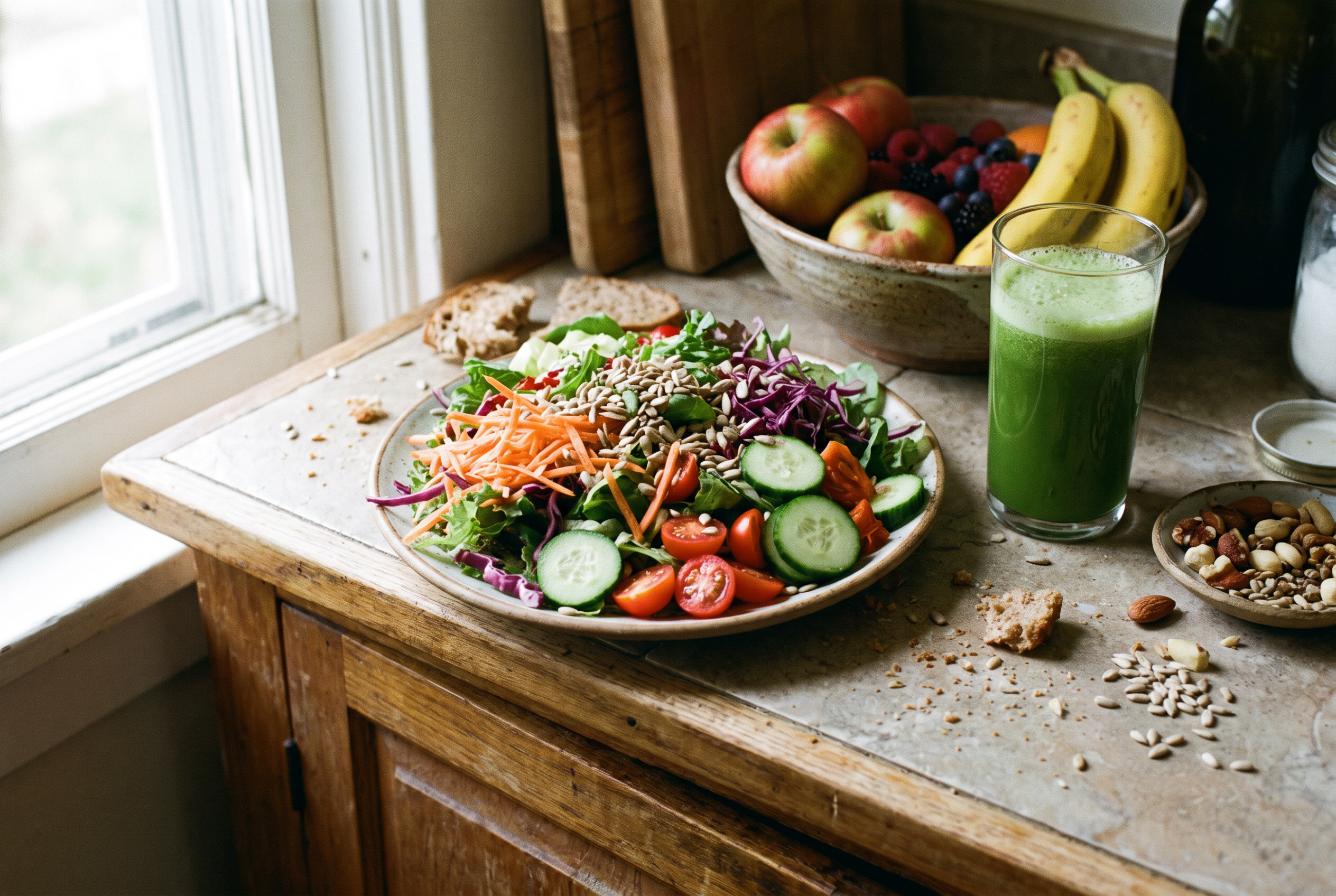




Collagen is built from a short list of materials, assembled by a small number of tools. Here is what each part does, and where to find it on a plate.
Collagen is the most abundant protein in your body and it is built to a recipe. Amino acids for the chains, vitamin C to wind and lock them, two trace minerals to fix the bonds, and a gel around the fibers that is mostly water.
Every item on that list comes from food, and most of it comes from food people already like. That is worth saying, because connective tissue is the one area where almost everybody gets offered a powder before anyone mentions a plate.
The tool that finishes the job
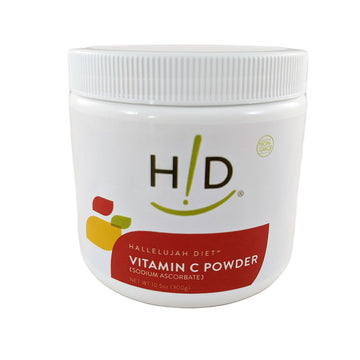
Vitamin C is not optional here in the way most nutrients are relatively optional. It is required by the enzymes that wind collagen's three chains together and lock them. Short of it, the chains are made and the rope is not finished.
Your body does not store it. It circulates, it is spent, and what is not used leaves within hours. So the aim is a little at most meals rather than a lot on Sunday.
Peppers — red, yellow and orange — carry more than citrus by weight. Then black currants, strawberries, kiwi, broccoli, Brussels sprouts, parsley, and citrus itself. Heat destroys a good deal of it, so some of each day's intake wants to be raw.
The chains themselves
Collagen is unusually rich in three amino acids, and they arrive from protein in food.
Glycine is roughly a third of collagen by weight, which is more than any other protein in you asks for. Sesame seeds and tahini are among the richest plant sources, along with pumpkin seeds, spirulina, beans, lentils, peanuts and oats.
Proline comes from much the same places. Soy foods, sunflower seeds, pumpkin seeds, beans, cabbage, asparagus, oats.
Lysine is the one plant diets run closest to the line on, because grains are relatively low in it. Legumes are the answer — lentils, black beans, chickpeas, soy in all its forms — plus quinoa, pistachios and pumpkin seeds. A day that includes beans is a day that has enough.
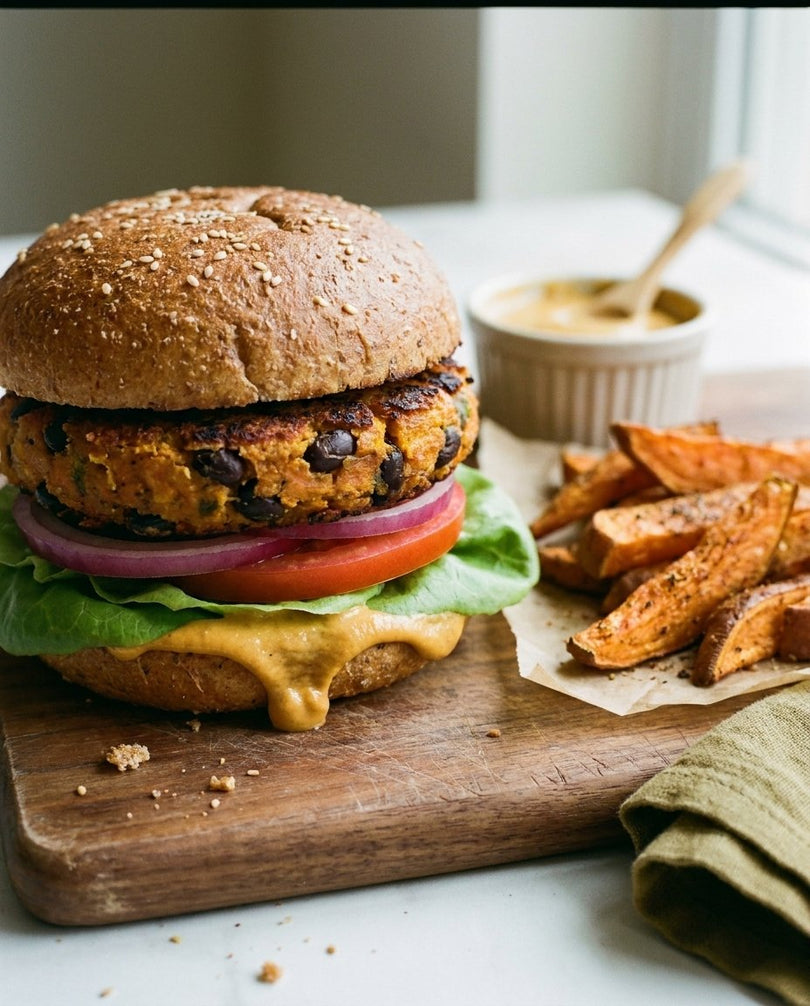
The practical version of all that: beans and seeds, most days. Between lentils, chickpeas, tofu or tempeh, and a spoonful of pumpkin or sesame seeds, the three amino acids that collagen wants most are covered without any arithmetic.
The two minerals that lock it
Copper runs the enzyme that forms the final cross-links between collagen strands, the bonds that turn a bundle of fibers into strong tissue. It is the least discussed mineral on this list and the most specific in its job.
Sesame seeds and tahini are outstanding for it. Also cashews, sunflower seeds, mushrooms, lentils, chickpeas, potatoes with the skin, and unsweetened cocoa, which is among the richest foods there is for copper.
Manganese is used in building the water-holding gel between the fibers. Whole grains — oats, brown rice, buckwheat — plus pecans, hazelnuts, chickpeas, spinach and pineapple.
Materials for the gel
The gel between collagen fibers is what lets fascia glide and lets cartilage take a shock. It is built from sulfur-containing molecules and it holds water.
Sulfur comes from the allium and cabbage families. Garlic, onions, leeks, broccoli, cabbage, kale, cauliflower, Brussels sprouts, radishes, watercress. This is the same short list that supports the liver, which is convenient.
Silicon is involved in the early organization of collagen and it is easy to miss. Oats are the best everyday source. Also cucumber with the skin on, whole barley, millet, bananas, green beans and unpeeled root vegetables.
Water, since the gel is mostly water and a dehydrated web is a stiff one.
Protecting what is already built
Building is half of it. The collagen you already have is being broken down continuously, and the rate of breakdown is something food influences.
Polyphenols slow it. The deeply colored plants — berries of every kind, cherries, pomegranate, red grapes, green tea, cocoa — carry compounds that inhibit the enzymes that degrade collagen and elastin. Berries and green tea are the two best studied.
Omega-3 fats support the resolution side of inflammation, which matters because unresolved inflammation degrades this tissue. Ground flaxseed, walnuts, chia, hemp.
Vitamin E, which protects the fats in cell membranes throughout the web. Sunflower seeds, almonds, hazelnuts, avocado, olive oil.
Why the plate is the whole answer
Collagen eaten as collagen does not arrive at your tendons as collagen. Your digestion takes it apart into amino acids, exactly as it does with any other protein, and those amino acids go into a general pool that your body draws on to build whatever it is building. Nothing eaten is installed intact.
That means what determines how well you build collagen is the supply of the amino acids, plus the tools that assemble them — vitamin C, copper and manganese. That is a plant-based list, and it is the one above.
The two things that undo it
Worth naming, because they work against everything above.
High average blood sugar. Glucose attaches to collagen and forms bonds that do not belong there, leaving tissue stiffer and more brittle. Steady blood sugar is a connective tissue strategy, which is not how anyone thinks of it.
Smoking, which restricts the small blood supply this tissue already has little of, and accelerates the breakdown of elastin.
What actually helps, in practice
Read back over the list and the same handful of foods keeps appearing.
Tahini or sesame seeds — glycine, proline and copper together. Pumpkin seeds — glycine, proline, lysine, manganese, zinc. Beans and lentils, the amino acids, copper and manganese. Oats — silicon and manganese. Peppers and berries — vitamin C and polyphenols. Garlic, onions and the cabbage family — sulfur for the gel.
That is a fairly ordinary plant-based day with seeds on it.
The three that buy you the most:
Put a spoonful of tahini into a dressing or over vegetables a few times a week. Keep pumpkin seeds where you will scatter them on things. Have something raw and brightly colored with most meals, for vitamin C that has not been cooked away.
What to notice in yourself
Skin first, because it turns over in about a month and reports back soonest. The pinch test on the back of your hand, how fast it flattens.
Then how long minor strains take to settle, which is a slower readout and a more meaningful one.
Morning stiffness and how quickly it walks off.
Give tendons many months rather than weeks before drawing conclusions. They are built on a long timescale and they answer on one.
A thought to close
There is something plain about this list. Seeds, beans, oats, onions, peppers, berries. Nothing extracted, nothing concentrated, nothing that had to be discovered in a laboratory and sold back to us.
The material that holds your entire body together — a third of all the protein you are made of — is assembled out of what grows in a garden and keeps in a cabinet. That seems like a deliberate arrangement. It also means the work is unglamorous and available, which is usually how the useful things turn out.
Questions We Hear Most Often
Q: What foods help build collagen?
A: Vitamin C from peppers and berries, because the enzymes that lock collagen cannot work without it. Then the amino acids from beans, lentils, tahini and pumpkin seeds, and copper and manganese from sesame, cashews, cocoa and oats.
Q: Does taking collagen powder work?
A: Eaten collagen is digested into amino acids exactly like any other protein and goes into a general pool. Nothing arrives at your tendons intact, which is why the supply of amino acids plus vitamin C, copper and silicon is what actually decides the outcome.
Q: Which foods are highest in the amino acids collagen needs?
A: Sesame seeds and tahini for glycine, the same plus soy and sunflower seeds for proline, and legumes for lysine, which is the one plant diets run closest to the line on. A day that includes beans has enough.
Q: What makes connective tissue stiff?
A: Two things. Not moving, which lets the gel between the fibers get sticky. And high average blood sugar, which attaches glucose to collagen and forms bonds that should not be there, leaving tissue more brittle than its age suggests.
Q: Does silicon matter for skin and joints?
A: It is involved in how collagen is organized early on, before mineral arrives, and it is easy to miss. Oats are the best everyday source, then cucumber with the skin on, whole barley, millet and unpeeled root vegetables.
Keep exploring
→ The Web That Holds You Together — how this tissue actually works
→ Energy Is Not a Quantity. It Is a Steady Line. — why steady blood sugar keeps you supple
→ How Your Body Works — the full library
If you would rather begin than read, our Get Started Meal Plan lays out the first week for you.
Educational content. Not medical advice.
More food-first writing: MyHDiet.com · AMPMForHealth.com
Reviewed by Olin Idol, ND, CNC — Vice President of Health, Hallelujah Diet