




Perfume in an elevator gives you a headache. One glass of wine costs you the next morning. Coffee stopped agreeing with you somewhere around your forties. Here is what is going on behind all three.
A woman told us last spring that she had become the person who cannot walk down the laundry aisle. Her husband thought she was imagining it. She had not changed anything about how she lived; things had simply started reaching her that never used to.
She was not imagining it, and nothing had gone wrong with her sense of smell. Something had changed in how quickly her body could get through what arrived.
The liver is a processing plant, and it runs a two-stage line
Everything you swallow, breathe or absorb through your skin ends up at the liver. Whatever it is — a medication, a glass of wine, the residue on a supermarket apple, a hormone your own body made this morning — the liver has to decide what it is and convert it into a form that can be sent out of you.
It does that on a line with two stages, and the relationship between them explains most of what people experience.
Stage one takes the compound apart. A family of enzymes cracks it open, and the fragment that comes out the other side is usually more chemically active than what went in. This is the counterintuitive part. Halfway through processing, a substance is often more reactive than it was when it arrived.
Stage two makes it safe and shippable. The liver attaches a small molecule to that reactive fragment, a sulfur group, an amino acid, a methyl group, which neutralizes it and makes it water-friendly enough to travel out.
Both stages have to keep pace with each other. A fast stage one with a slow stage two leaves reactive fragments sitting around waiting for an escort, and a person in that position feels worse than someone whose whole line runs slowly. It is the usual reason a cleanse makes somebody ill. Mobilizing more material into a line that is already short of what stage two runs on does not speed anything up.
Where it all goes afterward
Two exits, depending on what the packaged waste dissolves in.
Water-soluble waste goes to the kidneys and leaves in urine. Straightforward.
Fat-soluble waste goes into bile. The liver makes bile continuously, the gallbladder concentrates and stores it, and a meal containing fat triggers its release into the small intestine. Bile does two jobs at once. It emulsifies the fat in your food so you can absorb it, and it carries out what the liver has finished packaging.
Here is the part almost nobody is told. Bile is designed to be reabsorbed. Most of it is taken back up further down the small intestine and returned to the liver to be used again, which is good economy for a body that would otherwise have to build it from scratch several times a day.
The trouble is that what was dissolved in it can come back too. Waste the liver has already processed, already packaged, already sent out, arrives back at the liver to be dealt with a second time.
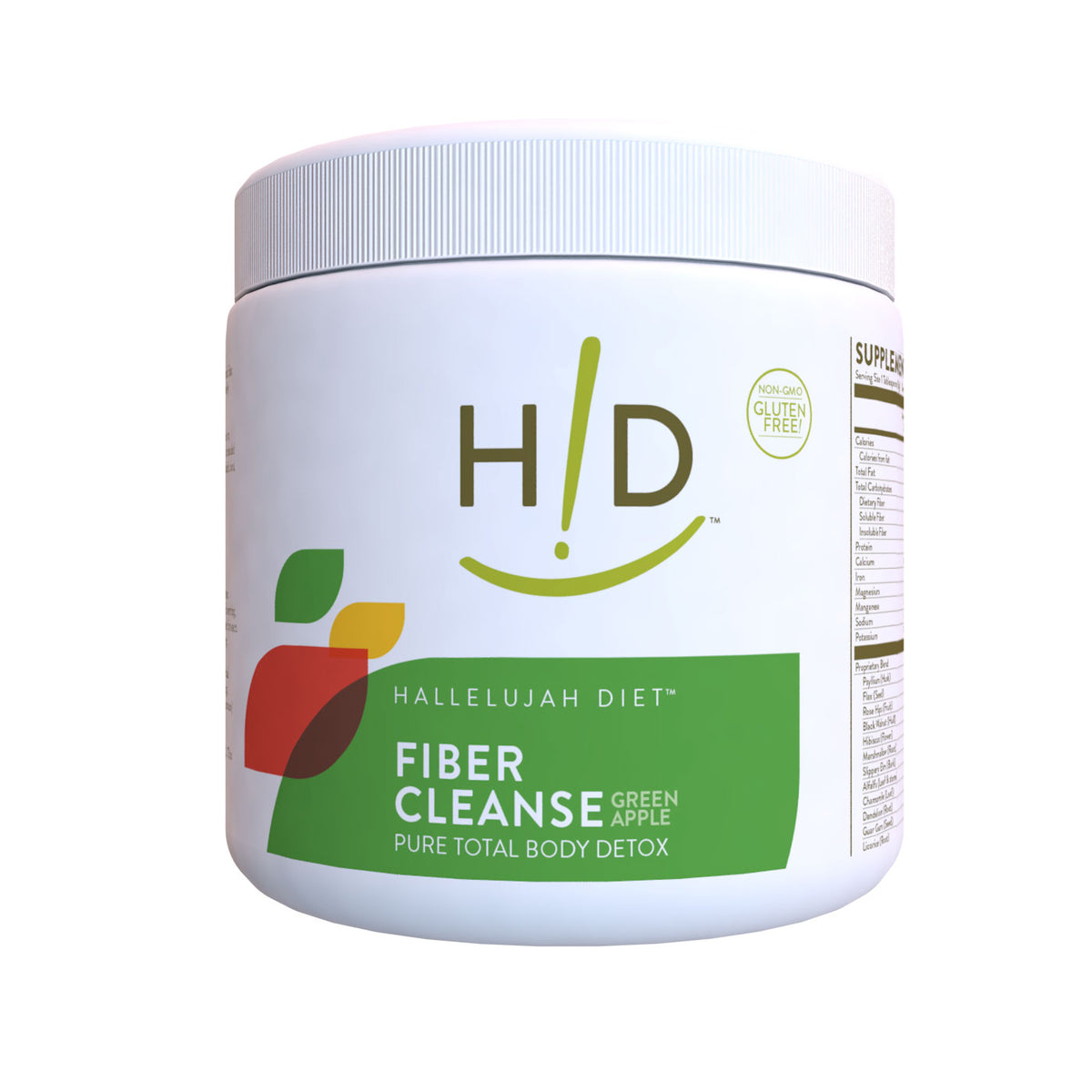
What stops that is fiber in the gut. Fiber binds to bile and holds on to it, so what leaves the liver keeps going and leaves the body. Without enough of it, a share of the work gets done twice, and the liver spends capacity on material it had already finished with.
This is why elimination and liver function are one subject rather than two. The liver can only finish a job that something else carries out of the building.
The liver is doing several other things while it does that
Worth knowing, because the symptoms overlap.
It buffers your blood sugar, storing glucose after a meal and releasing it between meals so the level stays steady overnight. It builds most of your blood proteins. It stores vitamins A, D, B12 and iron, which is why liver capacity and nutrient status move together.
Then it clears used hormones, including estrogen. Once a hormone has done its work it has to be deactivated and removed, and that is the liver's job, through the same two stages and out through the same bile. Which means the reabsorption problem above applies to hormones as well as to household chemicals. For a woman in her forties or fifties, whose hormone levels are already shifting, the speed at which used hormones are cleared is not a small detail.
Where it commonly gets stuck
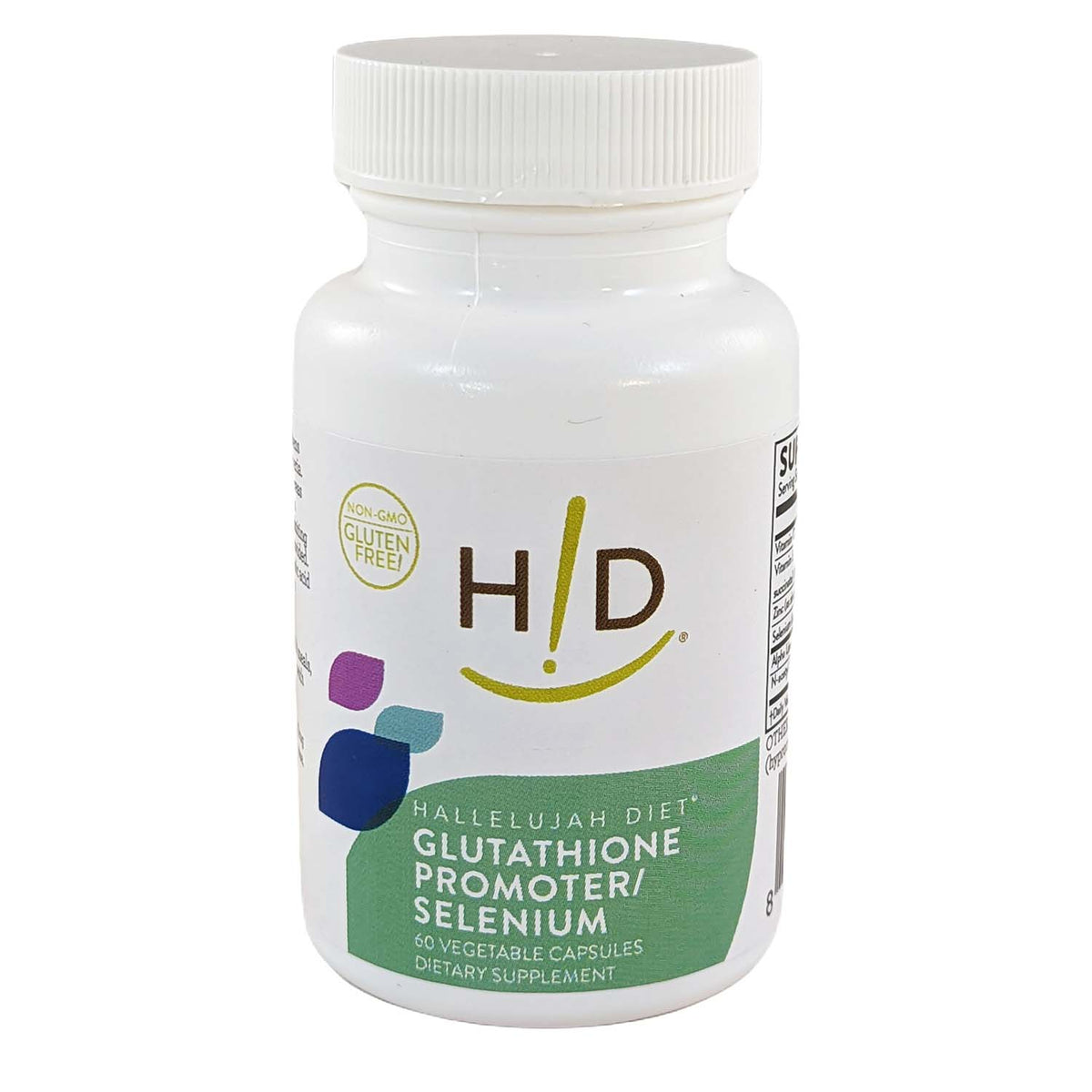
Stage two runs out of materials. This is the common one. Stage two runs on sulfur, on amino acids like glycine and cysteine, on B vitamins and magnesium. A diet thin in those does not stop the liver working. It slows the second half of the line while the first half carries on.
Some things push to the front of the line. Alcohol and large amounts of fructose are handled preferentially, so everything else waits. A daily glass of wine is not a moral failing and it is a standing appointment the liver has to keep.
Bile gets thick and slow. Bile needs to flow to carry anything. Long gaps without fat in a meal, low water intake, and very little bitter food in the diet all make for sluggish bile.
Transit is slow and fiber is short. Covered above. Material sits in the intestine long enough to be reabsorbed.
The daily load is simply larger than it was. More arriving, from more directions, into a line that has not got any bigger.
What it needs
The food side has its own piece, and it goes a layer deeper on every item here. It comes down to sulfur from the cabbage and onion families, bitter leaves to get bile moving, enough protein for the amino acids stage two spends, magnesium and the B group for the enzymes on both stages, fiber so that what leaves stays gone, and water, because bile thickens without it and the kidney exit needs it as well.
One thing that is not about food:
Longer gaps between eating. The liver does its heaviest housekeeping when it is not also processing a meal. An honest overnight gap of twelve hours or so, with nothing after dinner, gives it a stretch of uninterrupted time.
What to notice in yourself
How you respond to things that arrive from outside — perfume in an elevator, a cleaning product, a glass of wine, coffee. A change in tolerance is information, and it usually shows up before anything else does.
Whether you wake in the small hours, somewhere between one and three, and cannot place why.
Your skin, which takes on some of the load when the main exits are slow. Your stool, and whether elimination is regular and complete rather than an event. Morning energy, before anything has been asked of you.
Whether you feel worse rather than better when you try to clean things up quickly. That is worth paying attention to, because it points at the second stage rather than at the first.
A thought to close
The liver is the one organ that will grow back. Remove a portion of it and the remainder rebuilds, no other internal organ does that to the same degree.
The thing built to handle whatever comes at you was also built to repair itself faster than anything else in you. That seems like a deliberate arrangement rather than a coincidence. It also sets the terms plainly enough: the liver is not fragile, and it is not asking to be rescued. It is asking to be supplied, and to have what it finishes carried out of the building.
Questions We Hear Most Often
Q: What does the liver actually do besides detox?
A: It buffers your blood sugar between meals, builds most of your blood proteins, stores vitamins A, D and B12 along with iron, and clears used hormones including estrogen. Processing what arrives from outside is only one of its jobs.
Q: Why do I feel worse when I try to do a cleanse?
A: The liver processes things in two stages, and the first stage often makes a substance more chemically active than it was. If the second stage is short of the materials it runs on, those reactive fragments sit around waiting. Mobilizing more material into a line that is already short is why cleanses can make people ill.
Q: Does the liver need a special detox product to work properly?
A: It needs materials rather than prompting. The second stage runs on sulfur, amino acids, B vitamins and magnesium, all of which arrive from food. A liver supplied with those speeds up on its own.
Q: Why has my tolerance for wine or perfume changed?
A: A change in how you respond to things arriving from outside usually reflects how quickly your liver can get through what reaches it. It tends to shift before anything else becomes noticeable, which makes it one of the more useful things to pay attention to.
Q: What does fiber have to do with my liver?
A: Fat-soluble waste leaves the liver in bile, and most bile is reabsorbed further down the intestine and returned. Fiber binds bile so that what left keeps going. Without enough of it, the liver does a share of the same work twice.
Keep exploring
→ Foods That Support Your Liver — the five routes, and what feeds each one
→ How Digestion Actually Works — the system that carries out what the liver packages
→ Toxicity and Deficiency: The Two Things That Actually Go Wrong — why load and supply are one problem
→ How Your Body Works — the full library
If you would rather begin than read, our Get Started Meal Plan lays out the first week for you.
Educational content. Not medical advice.
More food-first writing: MyHDiet.com · AMPMForHealth.com
Reviewed by Olin Idol, ND, CNC — Vice President of Health, Hallelujah Diet