




Cut your finger and your body repairs it without being asked. So why does the thing that has been wrong for years stay wrong? Almost always for one of two reasons, and usually both.
Cut your finger this morning and by next week it is closed. Break a bone and it knits back, often stronger at the join than it was before. Nobody supervised either one. You did not choose a healing strategy. The body simply did what it is built to do, on a schedule it set itself, using materials it already had.
We watch that happen on the outside and take it completely for granted. What is easy to miss is that the same repair is going on out of sight, all day, everywhere else. A stomach lining replaces itself in a matter of days. Blood vessels mend. The liver rebuilds tissue it has lost. Whatever is worn, injured or used up is being replaced by the same hands, under the same rules, whether you can see it or not.
Which raises a question most people never quite ask out loud. If the body can do that, why has the blood pressure not come down in four years? Why does the blood sugar keep creeping up whatever gets tried? Why does the same prescription get renewed, year after year, for something that is supposedly being managed?
The answer is not that healing stopped being possible. It is that healing has conditions, and when those conditions are not met the body does what it can with what it has, which is less than it would otherwise do.
Only two things can go wrong
Go back to the cut for a moment, because it settles this.
There are two ways a cut could fail to close. Something keeps getting into it — it stays dirty, it gets knocked open, it keeps getting cut in the same place, something is in there that does not belong. Or the body has run short of what it takes to build new skin. Interference, or shortage. There is no third thing on that list.
And because it is the same repair happening on the inside, it is the same two things that can stop it there. Nothing new gets added to the list just because you cannot see the tissue involved.
Interference. Something is present that should not be, and it gets in the way of the work. That is toxicity.
Shortage. Something is absent that should be there, so the work cannot be done. That is deficiency.
Blood pressure, blood sugar, aching joints, a thyroid that will not settle, digestion that has been unreliable for a decade — the fifteen systems in this library are all variations on those two. A thyroid short of what it needs to build hormone is a shortage. A liver with more arriving every day than it can get through is interference. A gut that has been under pressure for years is both at once: it absorbs less of what arrives, and it lets through more of what should have stayed out.
It is a plain frame, and it has held up through thirty years of sitting with people who were trying to get well.
What toxicity actually means
The word does most people a disservice. It suggests poison, catastrophe, something you would have noticed.
What it actually means is far more ordinary: the total load of things your body has to process, every day, that contribute nothing. What arrives in food that was manufactured rather than grown. What is in the water coming out of the tap. What your skin absorbs from whatever you put on it after a shower. What you clean the kitchen with. What the air in a closed house holds.
None of it dramatic. All of it repeating.
Repetition is the whole point. A body handles an occasional load easily: that is what the liver and the kidneys and the lymphatic system are for. What it was not built for is the same modest load arriving every day for twenty years, from six directions at once, while the systems that clear it are also short of what they need to do the clearing.
And that is what makes it changeable. A load built out of daily defaults comes down by changing the defaults. Most of that happens in a grocery aisle, the next time something runs out.
Why deficiency catches people who eat well
This one surprises people more, because they assume they have handled it.
Deficiency is not only about eating badly. Three things produce it in people whose plates look fine.
What is in the food. Vegetables grown in worn-out soil carry less than the same vegetables did decades ago. You can eat the same salad your grandmother ate and receive less from it.
What survives getting to you. Picked early, shipped far, stored long. Nutrients decline the whole way.
What you actually absorb. This is the one people miss entirely. Eating a nutrient and absorbing it are two different events. A body with weak stomach acid, a rushed meal, or a gut that never gets its turn can eat extremely well and still run short.
Then add demand. A body under sustained pressure spends magnesium, B vitamins and vitamin C faster than one that is not. Deficiency is a gap between supply and demand, and pressure raises the demand side without touching the plate.
Why they compound
Take them separately and each is manageable. Together they feed one another, which is what makes the pattern so persistent.
The systems that clear toxicity — liver, kidneys, lymph, gut — all run on nutrients. Short of those nutrients, clearance slows. A slower clearance means a higher standing load. A higher load raises demand on the same nutrients that were already thin.
That loop is what people are describing when they say they have been doing everything right for years and nothing moves. The blood pressure sits where it sat. The number at the annual check-up goes the wrong way by a little. They are not imagining it, and they are not failing at it. They have been working one side of a problem that has two.
Where to start: remove, then supply
We have watched this for three decades and the order rarely changes.
Remove what you can, starting with what repeats. Not everything, and not at once. What arrives every day matters more than what you meet twice a year.
Which puts food first, because it arrives three times a day. Processed food, refined sugar, refined flour and refined oils, and anything carrying an ingredient list you would not keep in your own kitchen. That is the largest repeating load most people are carrying, and it is the one most completely under your own control. Every meal is a decision you get to make again.
Then the rest of the daily defaults. The water you drink, what goes on your skin, the cleaning products under the sink, the air in the room you sleep in. Each swap is permanent and each one lowers the standing load a little. That side of it has a piece of its own.
Supply what is missing, starting with density rather than variety. Most people do not need a wider range of food. They need more that is actually carrying something — living, green, unprocessed, as close to the ground as they can get it.
And give it time. A body that has been running short for years does not refill in a few weeks. What usually changes first is sleep, then energy, then the thing you were actually worried about.
One food that works both sides
Almost everything you can do works one side of this. Swapping a cleaning product lowers the load. Eating a better lunch raises the supply. Both are worth doing and neither does the other's job.
There is one exception worth knowing about, and it is the reason we keep coming back to juice.
Juicing separates the fiber out and leaves the contents of the plant's cells, already released. That matters because of the third cause of deficiency above, the one people miss. A salad is excellent, and the digestion has to work for it: the body breaks open the cell walls before it can reach anything held inside them, which takes hours and a digestive system in good order. Juice asks almost nothing of the digestion and arrives in minutes.
So it raises supply without first requiring that the digestion be repaired, which matters enormously, because the people who most need the nutrition are usually the ones least able to extract it.
It works the other side at the same time. Every system that clears — liver, kidneys, lymph, gut — runs on nutrients. Supplying them is not a separate activity from clearing. It is how the clearing gets funded.
That is why a daily green juice has been the first thing we recommend for thirty years.
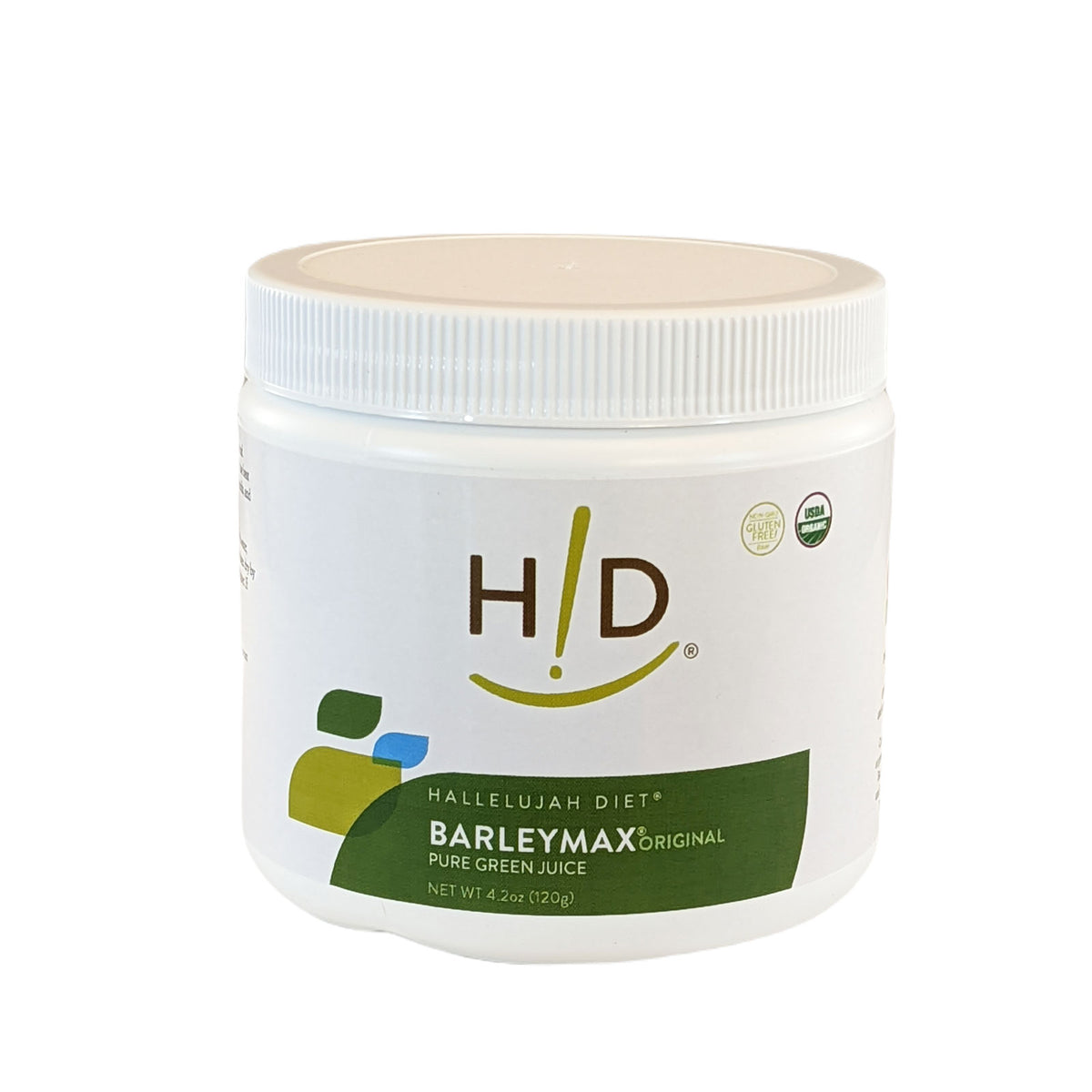
BarleyMax goes alongside fresh juice. It is the juice of young barley and alfalfa grass, dried at a low enough temperature that what was in the juice survives the process. Cereal grasses are not something a home juicer will handle, and what they carry is different from what carrots, celery and greens carry, so it adds to your vegetable juice rather than standing in for it. Someone doing both has covered more ground than either one covers alone. And on the mornings the juicer does not happen, you are still getting something.
If you want the mechanism in full — what is actually in young grass, what juicing changes, and how to tell a juice powder from a milled leaf using a glass of water — that has a piece of its own.
Why remove and supply belong together
Remove and supply are one job, not two. Work only the supply side while the load stays where it is, and the new supply goes toward clearing rather than toward you. Work only the removal side in a body that is already short, and the systems doing the clearing have nothing to work with.
Here is what that means for the thing you have been trying to heal from. Take away what is interfering, give back what is missing, and you have addressed something underneath the blood pressure and the blood sugar and the aching joints. You have handed the body back the conditions it needs for its own repair. The healing was never yours to perform. Your part is to stop obstructing it and start supplying it.
That is the whole thesis, and it is why everything else in this library points back here. It is also why our Get Started Kit puts both sides in one box, and it is worth being plain about what each side is doing.
Stopping the exposure is your part. The food you stop buying, the water you filter, what you stop putting on your skin, the air in the room where you sleep. Until the daily intake comes down, the body is still taking on new load, and whatever gets cleared is simply replaced by more of the same.
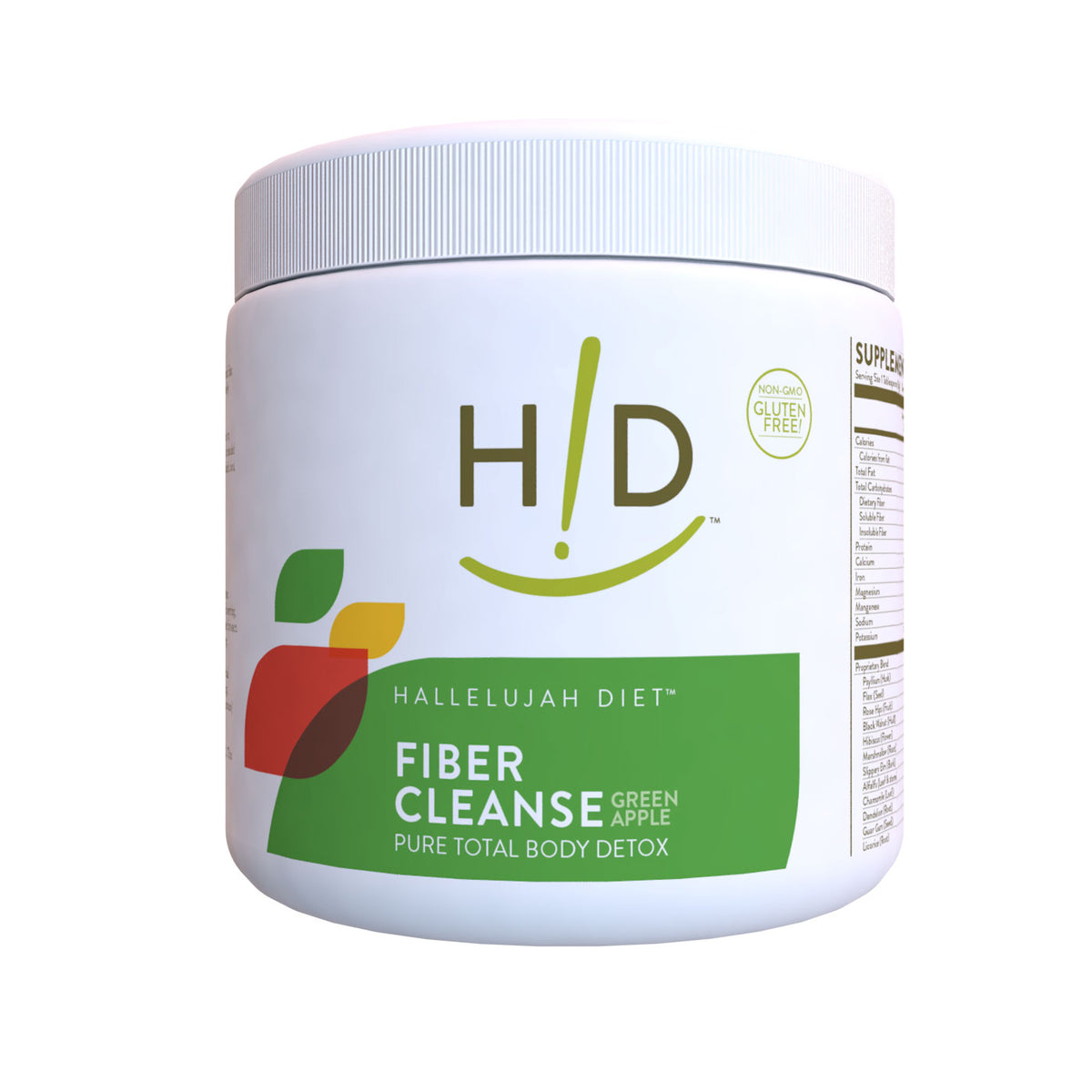
Clearing what is already stored is a separate job. What the body could not process at the time did not leave. It was put away — held in cells and in fat, out of circulation, where it would do the least harm for the longest time. Fiber Cleanse works on that side: it helps pull accumulated toxins out of the cells and carry them down to the colon, where they can be eliminated. That last step is the one people skip, and it matters, because anything released and not carried out of the body is reabsorbed and settles somewhere else.
The supply side funds both of those. Nothing clears without nutrients, which is why the kit does not stop at the removing.
What to notice in yourself
Whether your energy has a shape to it — worse in a particular room, better away from home, different on vacation. Whether things that used to mend quickly now take longer. What you use daily without thinking about it. Whether you have been working one side of this for a long time and wondering why it has not been enough.
A thought to close
The body was made to heal. That is an observation anyone can make by looking at a week-old cut, and it is just as true of every part of you that you will never see.
What it needs is what anything living needs, to be fed, and not to be poisoned. Remove what is in the way, supply what is missing, and the body does the part you were never able to do anyway.
We did not invent that idea. It was built into us, and most of what we do is get out of its way.
Questions We Hear Most Often
Q: What is the difference between toxicity and deficiency?
A: Toxicity is interference — something present that should not be, getting in the way of the work. Deficiency is shortage — something absent that should be there, so the work cannot be done. Think of a cut that will not close: either something keeps getting into it, or the body is short of what it takes to build new skin. Nearly every long-running health problem is one of those two, and usually both.
Q: Does this mean toxicity and deficiency caused my high blood pressure or my diabetes?
A: It means something more useful than cause. Whatever set a condition going, the body's ability to repair runs on the same two things — what is interfering, and what is missing. Those two are within your reach in a way that most of the rest is not. Change them and the body has a real opportunity to do what it was built to do.
Q: Do I need a detox or a cleanse?
A: The systems that clear toxicity all run on nutrients, so a body short of those clears slowly. Mobilizing more material into a body that is already short is how people make themselves ill. Supplying comes first, and then clearing happens more easily.
Q: Why do I still feel unwell when I eat well?
A: Three things produce deficiency in people whose plates look fine: depleted soil, nutrients lost between harvest and your kitchen, and absorption. Eating a nutrient and absorbing it are two different events.
Q: Can you be toxic without being exposed to anything dramatic?
A: That is the usual case. What matters is the total load of ordinary things your body processes every day that contribute nothing — food that was manufactured rather than grown, the water out of the tap, what goes on your skin, the cleaning products under the sink. None of it dramatic, all of it repeating.
Q: Where should I start if I want to feel better?
A: Remove what repeats, and start with food, because it arrives three times a day and it is the part most fully under your control. Then supply density rather than variety — more that is living, green and unprocessed. Then give it longer than feels reasonable. What usually changes first is sleep, then energy, then the thing you were actually worried about.
Keep exploring
→ How Your Body Works — the full library — the fifteen systems, one at a time
→ How Digestion Actually Works — why supply depends on absorption
→ Everyday Inputs: What You Live With Daily — the removal side, in practice
→ How BarleyMax Powers the Body — the mechanism behind the supply side
If you would rather begin than read, our Get Started Meal Plan lays out the first week for you.
Educational content. Not medical advice.
More food-first writing: MyHDiet.com · AMPMForHealth.com
Reviewed by Olin Idol, ND, CNC — Vice President of Health, Hallelujah Diet