



Your kidneys filter about 180 liters of fluid a day to produce a liter and a half of urine. Almost everything useful you can do for them is about what arrives for filtering, and how much water it arrives in.
The kidneys do more than people credit them with. They filter, and they also set your blood pressure, hold your electrolytes in balance, manage the acidity of your blood, signal for red blood cells to be made, and perform the final step that turns vitamin D into its active form.
They also complain late. Kidneys carry substantial spare capacity and lose plenty of function before producing any symptom at all, which is a good argument for looking after them while nothing is wrong.
Water, which is most of it
The kidneys work by pushing fluid through a filter and then reclaiming what is worth keeping. Everything they remove leaves dissolved in water, and if there is less water, everything they remove leaves more concentrated.
Concentrated urine is where most kidney trouble begins. Crystals form and clump when the fluid they are in is concentrated, and they stay dissolved when it is not. The single most protective habit available here is dull and free.
Lemon in the water. Citrus supplies citrate, which binds calcium in urine and keeps it from crystallizing. Crystals are what stones are built from, so this is the most direct food-based protection there is, and it costs the price of a lemon.
Steady intake across the day beats a large amount at once, since the kidneys handle a constant flow better than a flood. And the color tells you nearly everything — pale straw is what you want, and dark means it is already concentrated.
Warm weather, heavy sweating, coffee and alcohol all move the balance the wrong way and want compensating for.
And what the water itself is carrying. Tap water arrives with whatever the treatment left in it and whatever it picked up on the way, and the kidneys are what has to handle that. Distilled or reverse osmosis is the straightforward answer. Distillation removes essentially everything. Reverse osmosis removes most of it, fluoride included, which ordinary carbon filters do not. What Kind of Water Should We Drink? goes through the options.
Lowering what arrives to be dealt with
Some of this is subtraction, and the subtractions matter more here than the additions.
Sodium. High sodium raises blood pressure, and blood pressure is the main thing that damages the delicate filtering units over time. It also increases the calcium ending up in urine, which matters for stone formation. Nearly all of it comes from processed and restaurant food rather than from a salt shaker.
Animal protein. A large load of it raises the pressure inside the filters and increases the acid the kidneys must buffer. Plant protein produces markedly less of both while supplying the same amino acids, which is one of the better-evidenced reasons a plant-based pattern suits kidneys.
Phosphate additives, which deserve more attention than they get. The phosphorus naturally present in beans, grains and nuts is bound up and only partly absorbed. The phosphate added to processed food — colas, processed cheese, baked goods, a great many packaged products — is absorbed almost completely, and it is the form that burdens kidneys. Checking a label for anything with "phosph" in it is a more useful habit than avoiding whole foods that contain phosphorus.
Sugar, which raises blood pressure and blood glucose, both of which damage filters over years.
The acid-base job, and how plants help
Your blood has to stay within a very narrow range of acidity, and the kidneys do much of the work of holding it there. A diet high in animal protein and low in vegetables produces a persistent acid load that they have to buffer continuously.
Fruit and vegetables produce the opposite. They arrive carrying potassium salts that the body converts into bicarbonate, which offsets the acid load and reduces what the kidneys must do about it. This is the same mechanism that spares bone.
One honest note. Everything in the paragraph above applies to healthy kidneys. Someone with significantly reduced kidney function may need to limit potassium, which reverses the advice about high-potassium foods entirely. If that describes you, the amounts here need working out individually with a nutritionally minded health care professional rather than taken from an article.
Foods that do specific work
Citrus, for citrate. Lemons, limes and oranges all carry it, so the lemon-in-water habit above can vary without losing anything.
Berries. Blueberries, cranberries and blackberries for polyphenols that protect the filtering tissue from oxidative damage. Cranberry has a genuine role in discouraging bacteria from adhering to the urinary tract lining.
Leafy greens and beans, for potassium and magnesium, with the note above attached. Magnesium also reduces the tendency of calcium oxalate to crystallize.
Watermelon, cucumber and celery, which are mostly water with minerals in it, and which increase urine volume gently.
Garlic and onions, for sulfur compounds that support the body's antioxidant defenses in tissue that is under constant oxidative load.
Cruciferous vegetables — cabbage, cauliflower, broccoli, kale — are low in potassium relative to their nutrition, so they suit kidneys across a wide range of function.
Parsley and nettle, which have a long traditional use as gentle diuretics and which are pleasant as a tea. This is traditional use rather than trial data.
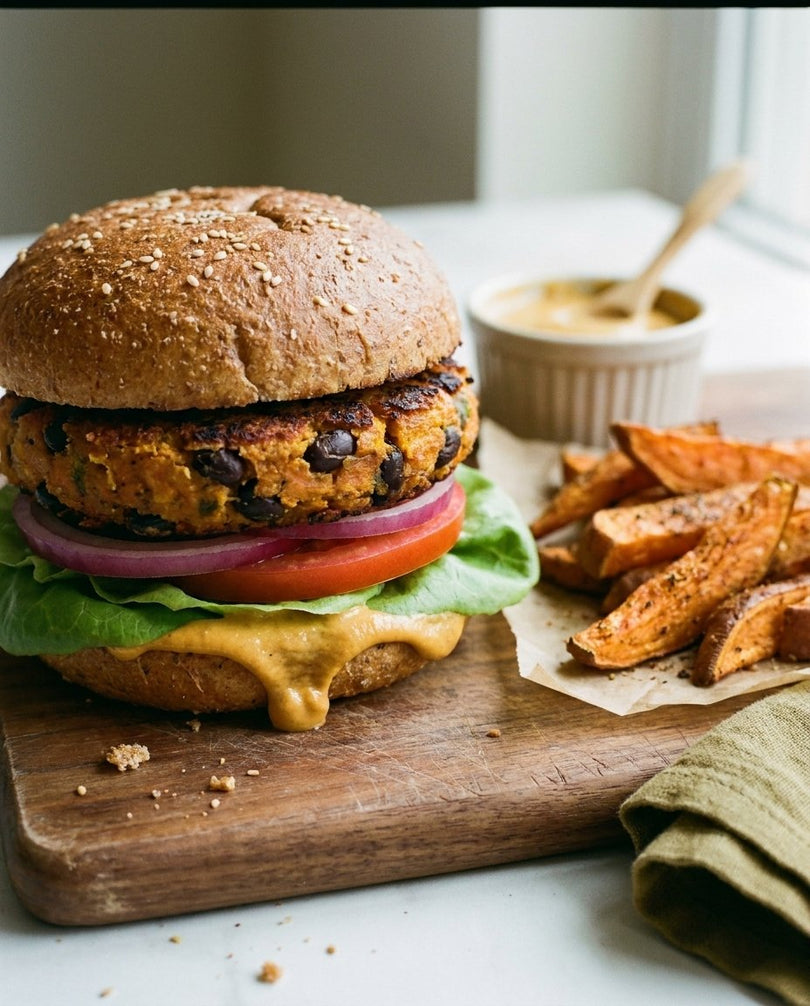
Then beans in place of some animal protein, which addresses the filtration pressure, the acid load and the phosphorus form all at once.
On oxalate, briefly
Spinach, chard, beets, rhubarb, almonds and cocoa are high in oxalate, and oxalate is a component of the most common kind of kidney stone.
For most people this is not a reason to avoid them. Two things reduce the risk substantially: drinking enough water, and eating calcium in the same meal, the calcium binds oxalate in the gut so that it leaves in stool rather than passing through the kidneys. Tahini with the spinach, or beans alongside, does that job.
Anyone who has actually had oxalate stones is in a different position and wants individual guidance.
What actually helps, in practice
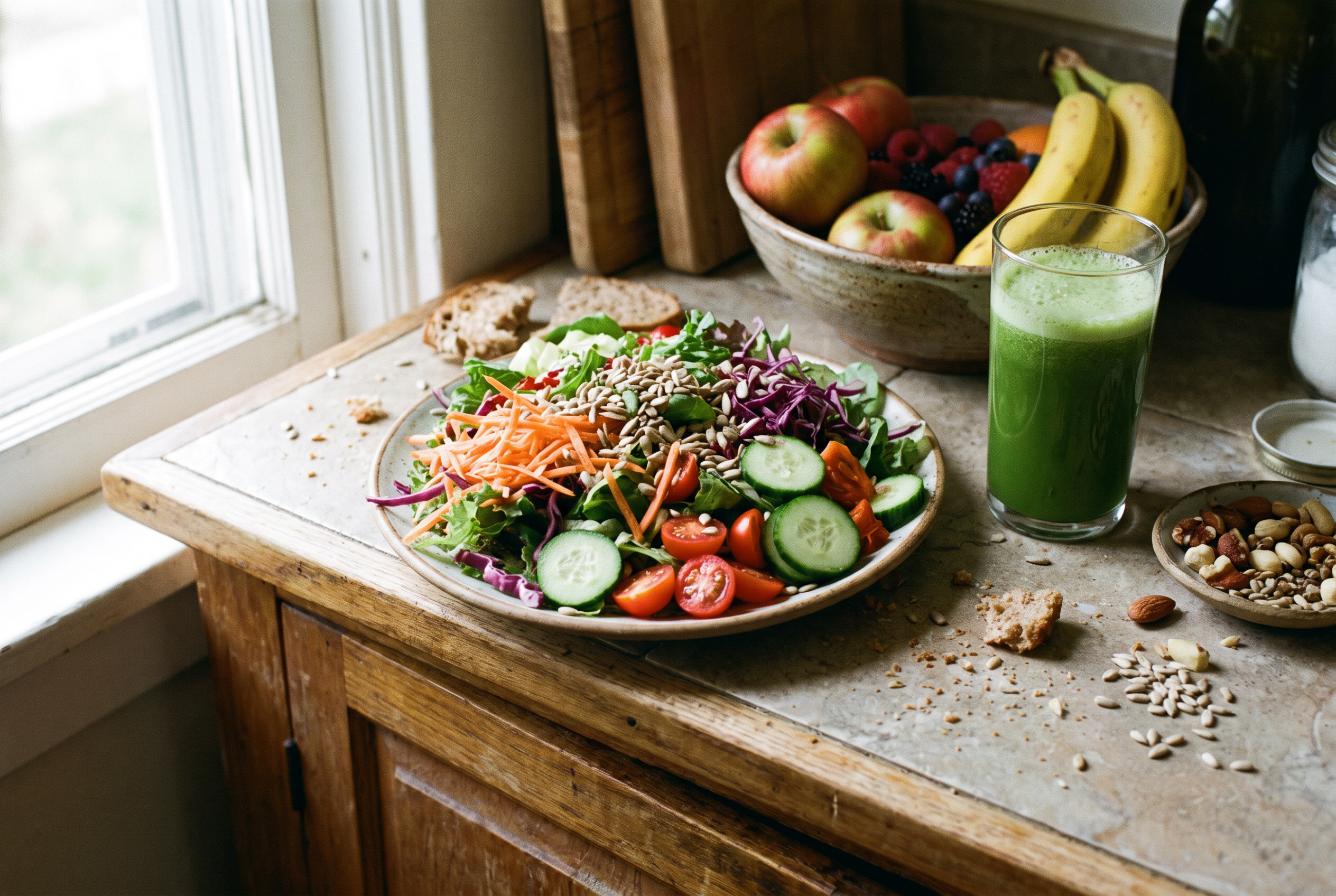
Water, lemon, vegetables at volume, beans instead of some of the meat, and far less packaged food.
Three worth building in:
Carry water and drink it steadily, aiming for pale straw rather than a number. Put lemon in it. Read labels for phosphate additives, which is a five-second habit that removes the least natural burden on the list.
What to notice in yourself
The color of your urine, which is the most direct feedback in this entire library.
How often you go, and whether you are up at night more than you used to be.
Whether your ankles or fingers swell, and whether it comes and goes with salty food.
Your blood pressure, since it is both a cause and a consequence here. Knowing the number is worth it.
Foamy urine, which is worth mentioning to someone rather than watching.
Whether you feel better on days you drink enough. Most people do, and most people have never tested it deliberately for a week.
A thought to close
The kidneys are a good example of something Scripture keeps returning to. “Nay, much more those members of the body, which seem to be more feeble, are necessary.” (1 Corinthians 12:22) The parts doing the most necessary work are rarely the parts anyone notices.
They filter your entire blood volume many times a day, hold the chemistry of every cell you have within livable limits, and ask for very little. What they ask for is water, food that arrives without much added to it, and enough plants to keep the balance from tipping.
Faithful, unseen work supported by plain, unremarkable provision. There is a pattern in that worth more than the kidneys.
Questions We Hear Most Often
Q: What foods are good for your kidneys?
A: Water first and most, and distilled or reverse osmosis rather than straight from the tap — the kidneys have to handle whatever the water arrives carrying. Then lemon and citrus for citrate, which keeps calcium from crystallizing; berries for the filtering tissue; beans in place of some animal protein; and vegetables at volume for the potassium that offsets the acid load.
Q: Does drinking more water really protect your kidneys?
A: Concentrated urine is where most kidney trouble begins, because crystals form and clump when the fluid they are in is concentrated. Steady intake across the day beats a large amount at once, and pale straw is the target rather than a number.
Q: Is animal protein bad for kidneys?
A: A large load raises the pressure inside the filters and increases the acid the kidneys must buffer. Plant protein produces markedly less of both while supplying the same amino acids, which is one of the better-evidenced reasons a plant-based pattern suits kidneys.
Q: What are phosphate additives and why do they matter?
A: Phosphorus naturally present in beans, grains and nuts is bound up and only partly absorbed. Phosphate added to processed food is absorbed almost completely, and it is the form that burdens kidneys. Checking a label for anything with phosph in it is a five-second habit.
Q: Should I avoid high-oxalate foods like spinach and almonds?
A: For most people, no. Drinking enough water and eating calcium in the same meal — tahini with the spinach, or beans alongside — binds oxalate in the gut so it leaves in stool. Anyone who has actually had oxalate stones is in a different position.
Keep exploring
→ Your Kidneys Decide What You Keep — how the kidneys actually work
→ What Your Liver Actually Does All Day — the other exit, and how the two divide the work
→ How Your Body Works — the full library
If you would rather begin than read, our Get Started Meal Plan lays out the first week for you.
Educational content. Not medical advice.
More food-first writing: MyHDiet.com · AMPMForHealth.com
Reviewed by Olin Idol, ND, CNC — Vice President of Health, Hallelujah Diet