


By Paul and Ann Malkmus
The question comes in almost every week, usually by email and usually the same shape. Someone's sister started taking a green powder. Someone saw an advertisement during a podcast. Someone's daughter spent ninety dollars on a canister and wants to know whether it was worth it.
Is this stuff any good?
We sell supplements. You should know that before you read another line, and you should weigh what follows accordingly.
We're writing it anyway, because there's very little honest help available on this question. Search for a comparison and you'll find rankings — and most of those rankings follow the commission rather than the analysis. The list that puts a product first is very often paid by the product that comes first. That's worth knowing before any list makes up your mind, including a list that ranks us well.
So instead of another ranking, here's the question almost nobody asks, and then the questions we'd want a family member to ask.
The Question Nobody Asks: How Much Is In There?
Not how many ingredients. How much.
Pick up almost any supplement in this category and the front of the package is a count — thirty-one fruits and vegetables, seventy-five superfoods, an alphabet of things you've heard are good for you. What the front never tells you is the weight of the whole serving.
Once you know that number, most of the rest answers itself. Because a serving is a fixed amount of powder, and every ingredient you add divides it further. Thirty ingredients in a small serving means thirty small fractions. The label looks more impressive with each one added, and the amount of any single thing gets smaller.
This is arithmetic rather than opinion, and it's the most useful thing we know about reading these products.
The Rest of the Questions
How many ingredients is that spread across?
Divide the serving weight by the ingredient count and you'll have a rough average per ingredient. It's crude, and it's usually revealing.
Is this food, or is it a nutrient doing a specific job?
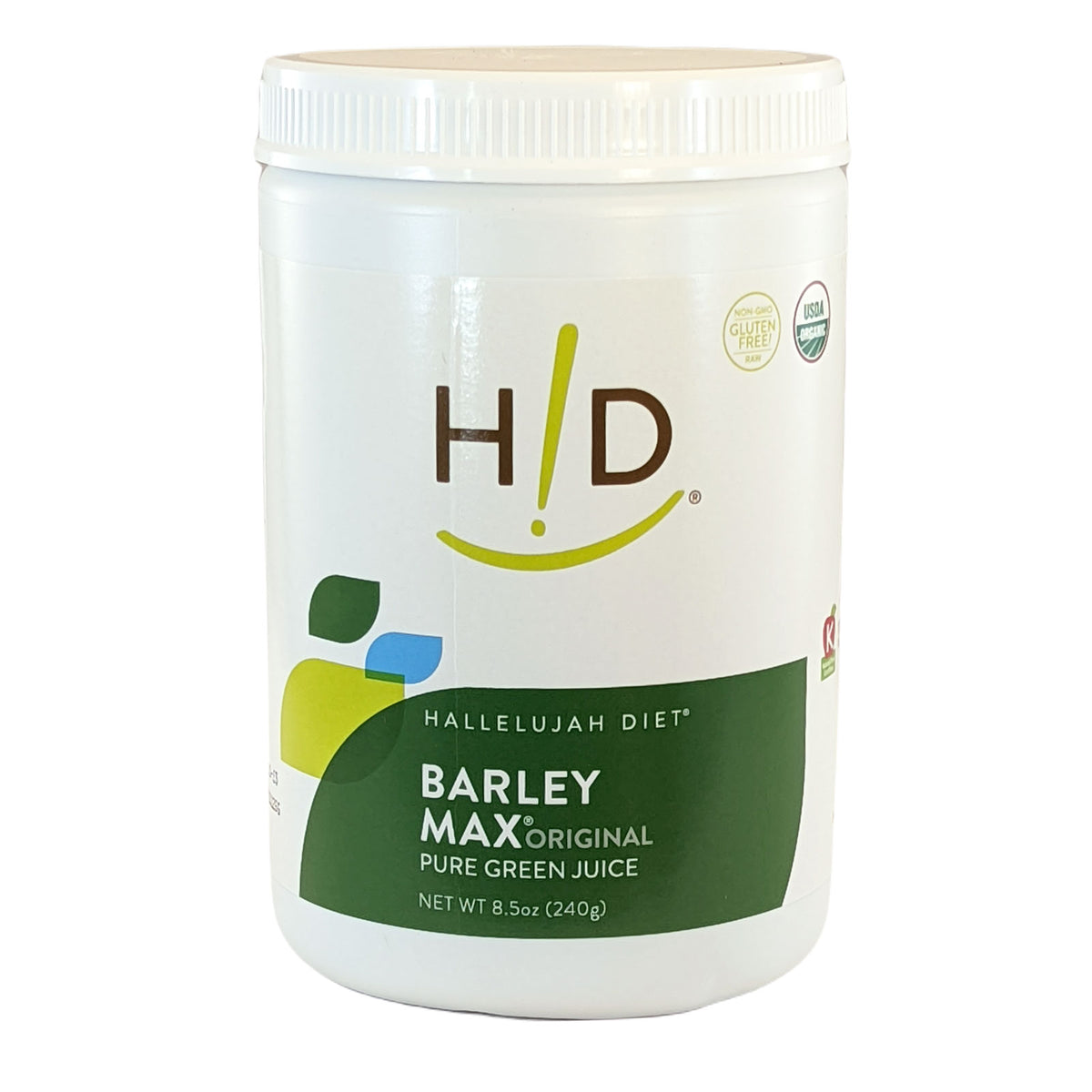
Both are legitimate and they aren't the same product. A whole-food supplement is a plant, dried and concentrated — its job is broad nourishment, and it works by giving you more of something you'd otherwise eat. An isolated nutrient is one compound at a defined dose, and its job is narrow. We make both. Our barley juice powder is the first kind. Our liposomal vitamin C is the second, and it exists because there are moments when you want a real dose of one thing and no amount of food will get you there quickly. What causes trouble isn't either category. It's a product blurring the two — priced like whole food, sold like a nutrient, delivering enough of neither.
Does "proprietary blend" hide the amounts?
A proprietary blend names ingredients without saying how much of each. Sometimes that protects a real formula. Often it lets a company put an impressive plant on the front of the canister and a pinch of it inside. A company confident in its formula will usually tell you the numbers.
How was it dried, and is it the juice or the whole leaf?
Almost nobody asks this and it matters more than most of what's on the front of the package. Heat degrades enzymes and a good deal else, so a green powder dried at high temperature is a different product from one dried gently, even when the plant pictured is identical. And a juice powder is a different thing again from a ground whole leaf — we put the two side by side using the same plant, and the gap is wider than most people expect. Companies that do this well say so, because it's expensive and they want the credit.
What is a serving actually costing?
Cost per day, worked out yourself, not price per bottle. A cheaper container at twice the daily dose isn't cheaper.
And would the food itself be better?
Usually. We'll come back to that one.

How Three Popular Products Answer
Balance of Nature
The product is what it says it is — fruits and vegetables, dried, in capsules. That's a real point in its favor, and plenty of things in this aisle can't claim it.
The problem is the capsule itself.
A serving is three capsules, and three capsules hold about two grams of powder. That's roughly half a teaspoon. Now divide half a teaspoon across sixteen fruit powders, or fifteen vegetable powders, and you can see where this goes: a fraction of a milligram of any single one.
We had it analyzed rather than guessing. A serving of the vegetable capsules came back at 0.097 mg of vitamin C. Ten bottles wouldn't reach the ninety milligrams an adult needs in a day. Half a cup of raw broccoli carried roughly five times the potassium of a serving, three times the magnesium, three times the zinc. Half a banana carried ten times the potassium. On enzyme activity, about four capsules matched a single tablespoon of carrot juice, and it took forty to match a tablespoon of spinach juice.
Put together, a serving comes out somewhere around a quarter cup of cabbage and a small slice of apple. At about ninety dollars a month.
None of that is a knock on drying fruits and vegetables. It's a limit of the form. A capsule can only hold so much, and no amount of good sourcing changes the size of the capsule. We wrote the whole analysis up separately if you want the numbers in full.

AG1
AG1 is a scoop of powder rather than a capsule, which means it starts with far more room to work with — thirteen grams, against Balance of Nature's two. That's a genuine advantage and worth saying plainly.
The question is what the thirteen grams are spent on.
Some of it isn't food. There's a multivitamin's worth of added vitamins and minerals in there — 200 mg of vitamin C, a full day's vitamin D, the B range, and so on. That's a legitimate thing to include and it's declared at real amounts. It's simply not plant material.
The food part is declared as a single figure: a vegetable, fruit and prebiotic complex of 8.9 grams. That's the number worth sitting with, because more than seventy named ingredients live inside it — and five grams of the serving is dietary fiber, most of which will be the prebiotic. Work it through and what's left for the seventy-plus plants is somewhere near four grams. Averaged out, that's roughly fifty milligrams each.
Fifty milligrams of spirulina is a gesture. Fifty milligrams of reishi is a gesture. The vitamins and minerals will do what vitamins and minerals do, and the fiber is real fiber. But the long list of plants on the front of the canister is doing less work than the length of the list implies, and there's no way to know from the label which of the seventy got a real amount and which got a pinch.
That's the tension in the product. It's built to be a bit of everything, and a bit of everything is necessarily a small amount of each thing.
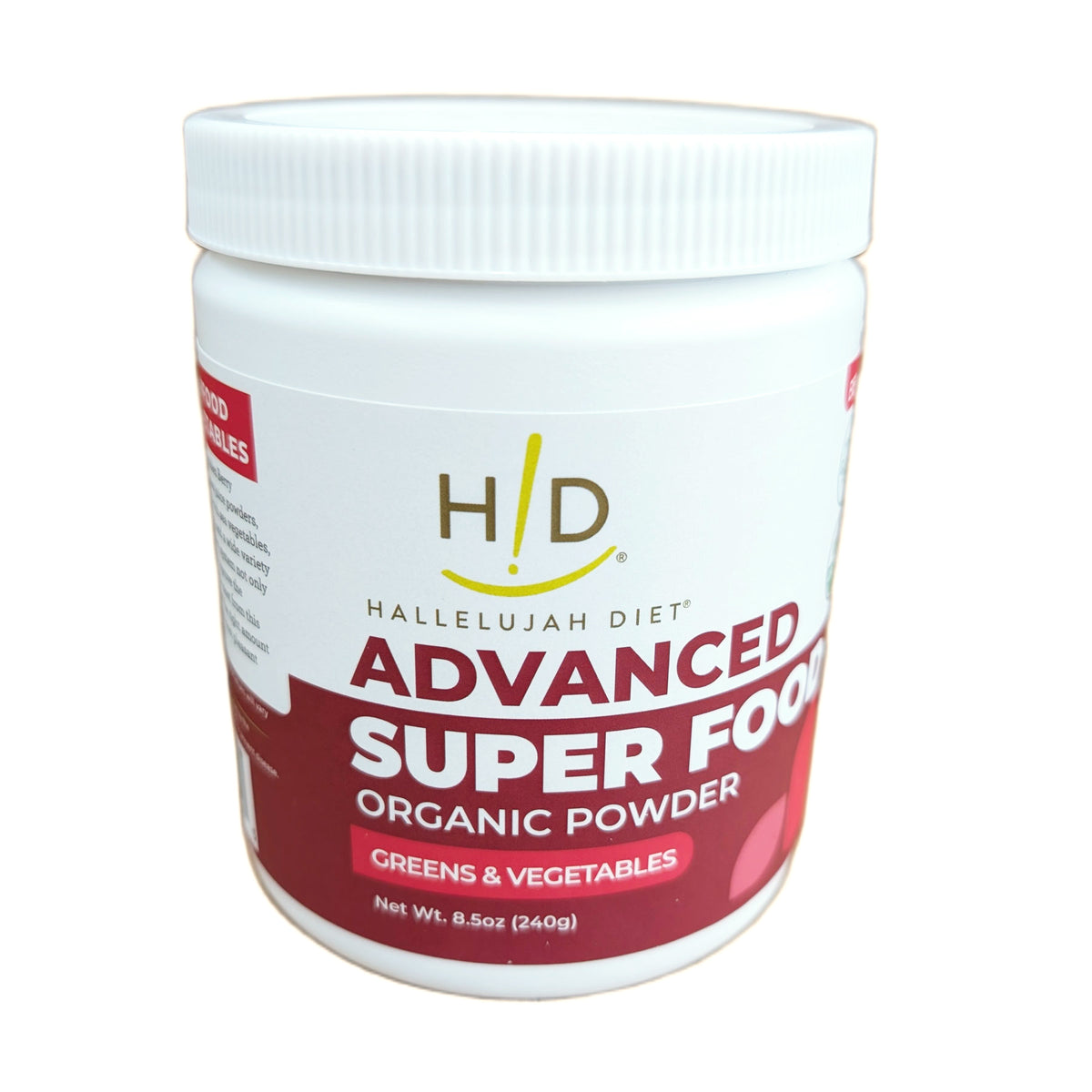
And we should say plainly that this is a family problem, not an AG1 problem. We make a superfood blend too. Ours is eight grams with more than thirty ingredients in it, and the same arithmetic applies — thirty things sharing eight grams is thirty modest amounts. Ours puts a larger share of the serving into plant material rather than added nutrients, which we think is the better trade. But anyone applying this article's own test to our label will find a blend, not a line-by-line accounting, and we'd rather say so here than have you notice it later.
At roughly $79 a month on subscription — about $2.63 a day — the question worth sitting with is what $2.63 a day buys at a produce counter, and whether the powder is going into a diet that already has those vegetables or standing in for them.
Juice Plus+
Juice Plus+ is fruit and vegetable juice powder in capsules, with vitamins added. So it inherits the same form problem as Balance of Nature — a capsule holds what a capsule holds — and the added vitamins mean it isn't purely the plant either.
The thing most worth understanding about it, though, isn't on the label. It's how it reaches you.
Juice Plus+ is sold through multi-level marketing, and that structure has to be paid for out of the price. Every product carries a markup — ours does, and so does everything on a supermarket shelf. What multi-level adds on top is commissions at several levels of a sales organization, plus the conferences and recognition events that keep that organization motivated. All of it comes out of the same price the customer pays.
That leads somewhere uncomfortable. If the price is modest, the product inside has to be inexpensive to make. If the product is genuinely good, the price has to be high. It's very difficult to have both, and the structure is the reason.
One more thing worth knowing: the person recommending it to you is usually paid when you buy. That isn't a scandal and it doesn't make them insincere — most are recommending something they believe in. But it does change what a recommendation is worth, and it's fair to ask.
A caution before anyone takes that too far. Multi-level isn't automatically a mark against a product. Some genuinely excellent things are only available through that channel, because the makers chose distribution over retail shelf space. Norwex is one we use. NuXtrax is another, and we use it both at the retreat and through AM/PM. The structure tells you to look harder at the price against what's actually in the container. It doesn't tell you the answer.

What We'd Actually Tell a Family Member
Three things, and none of them is a brand name.
Look at the serving weight before anything else. It's usually in small print and it's the single most informative number on the package. Everything the front of the container promises has to fit inside it.
Be suspicious of long ingredient lists, not impressed by them. Every name added divides the same serving further. A short list at real amounts does more than a long one at trace amounts, and it's harder to market.
The comparison that matters most isn't between the products. It's between the product and the produce aisle. Ninety dollars a month is a great deal of arugula, spinach, beets and cabbage — and [those particular four are doing more than you'd think](https://myhdiet.com/blogs/healthnews/foods-that-raise-nitric-oxide). If the choice is between a supplement and buying more vegetables, buy the vegetables. If the choice is honestly between a supplement and nothing — the traveling season, the household where nobody's making a salad at seven in the morning — then the supplement has a place.
Where We Fit, and Where We Don't
We make these things, and we'd be uncomfortable putting the questions to everyone else and skipping ourselves.
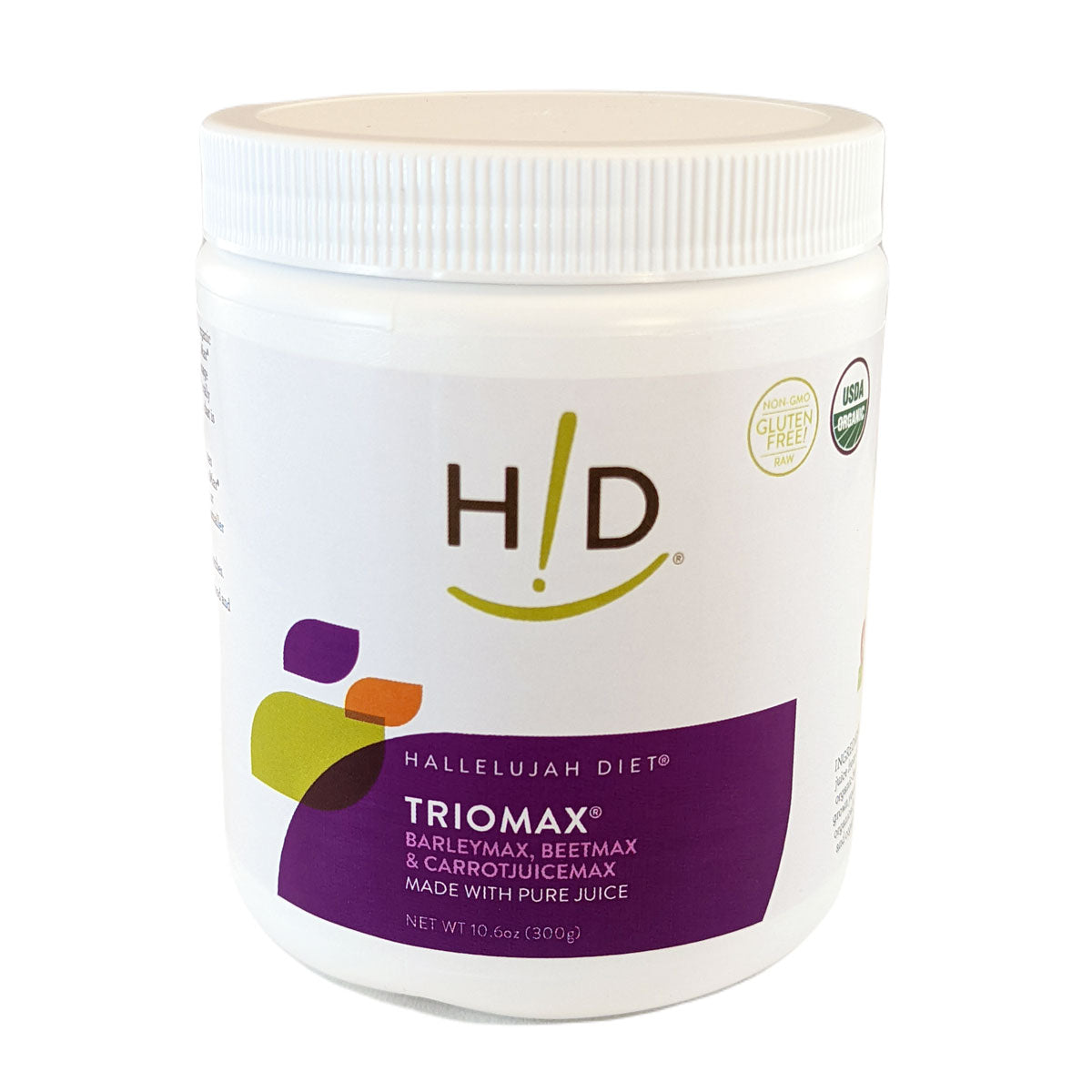
Most of what we make is a bulk powder rather than a capsule, and that's the main reason it can carry a real amount of material — there's simply more room in a spoonful than in three capsules. It's dried at low temperature to protect what's in it.
We do sell some of it in capsules, and we should be straight about what that costs you. A capsule version of the same product delivers less material for more money — that's the same arithmetic we just applied to everybody else, and it doesn't stop being true because it's ours. We make them because a certain number of people cannot get past the taste of green powder, and for those people the choice isn't powder or capsules. It's capsules or nothing, and something you'll actually take four days a week beats something perfect sitting unopened in a cupboard. If you can drink it, drink it. It's better and it's cheaper.
And where we make an isolated nutrient instead, like our liposomal vitamin C, we'd want you to understand it as a different kind of product doing a different job, not as a substitute for eating well.
Here's the part that matters more. Nothing we sell builds the foundation. Not one item. The foundation is what's on the plate three times a day, and every product we make exists to bridge a gap in that — not to replace it. We've told people not to buy things from us, more than once, because what they actually needed was a salad and a different grocery list. That's not modesty and it isn't a sales technique. It's what thirty years of watching this has taught us.
A company that tells you food comes first is telling you something true against its own interest. That's worth looking for in whoever you buy from, ourselves included.

What God's Original Design Points Toward
"And God said, Behold, I have given you every herb bearing seed, which is upon the face of all the earth." (Genesis 1:29)
The provision described there isn't a formula. It's a garden — whole, living, and free to anyone who plants it.
Everything since, ours included, is a supplement to that. Which is what the word was always meant to mean: something added to a foundation, not something standing in for one. Somewhere along the way the word got promoted, and a great deal of money now depends on keeping it promoted.
We'd rather it went back where it belongs.
Simple Steps to Begin
Find the serving weight on whatever is in your cupboard right now. Then count the ingredients and divide. That one piece of arithmetic answers more than most reviews will.
Read the first three ingredients. They're listed by weight, so they're most of what you're holding.
Work out the cost per day, then walk that number through the produce section once and see what it buys.
Ask what job you want it to do. Broad nourishment and a specific nutrient at a real dose are different errands, and one product rarely does both.
Fill the plate first. Whatever you decide to add, add it to something, not instead of something.
Questions We Hear Most Often
How do I tell whether a supplement has enough in it to matter?
Find the serving size in grams, then count the ingredients. Three capsules hold about two grams of powder; a scoop of a bulk powder usually holds ten or more. Divide the weight by the number of ingredients and you'll have a rough average. If a product lists thirty ingredients inside two grams, most of them are present in fractions of a milligram no matter how good the sourcing is. It's arithmetic, and it's the fastest way to see through an impressive label.
Are whole-food supplements better than regular vitamins?
They're different rather than automatically better, and it depends on the job. A whole-food supplement is a plant, dried — its work is broad nourishment, giving you more of something you'd otherwise eat. An isolated nutrient is one compound at a defined dose, useful when you want a real amount of one specific thing. Both have a place, and we make both. The mistake is expecting one to do the other's job.
Is Balance of Nature worth it?
The ingredients are what they claim to be — dried fruits and vegetables. The limit is the capsule. A three-capsule serving holds about two grams of powder split across dozens of plant powders, which works out to very little of any of them. When we had it analyzed, a serving came out roughly equivalent to a quarter cup of cabbage and a small slice of apple, at about ninety dollars a month. It isn't that the company did something wrong to the fruit. It's that a capsule can't hold much.
Why is AG1 so expensive?
Some of it is real — a thirteen-gram serving with a multivitamin's worth of added nutrients costs money to make. A lot of it is marketing, which in that category is substantial. The more useful question is what's inside the thirteen grams: a vegetable, fruit and prebiotic complex of 8.9 grams, shared among more than seventy named ingredients, of which a good part is prebiotic fiber. The vitamins and minerals will do their job. The seventy plants are doing less than the length of the list suggests. And $2.63 a day buys a fair amount at a produce counter.
Why is AG1 so expensive?
Some of it is real — a thirteen-gram serving with a multivitamin's worth of added nutrients costs money to make. A lot of it is marketing, which in that category is substantial. The more useful question is what's inside the thirteen grams: a vegetable, fruit and prebiotic complex of 8.9 grams, shared among more than seventy named ingredients, of which a good part is prebiotic fiber. The vitamins and minerals will do their job. The seventy plants are doing less than the length of the list suggests. And $2.63 a day buys a fair amount at a produce counter.
Should I be suspicious of proprietary blends?
Not automatically, but ask. A blend can protect a formula a company spent years developing. It can also let a label name twenty impressive plants while containing a pinch of nineteen of them. There's no way to tell from the outside, which is the problem. Ask the company for amounts — what they say, and how quickly they say it, is informative on its own.
Is it a bad sign if something is sold through multi-level marketing?
It's a reason to look harder at price against contents, not a verdict. That structure pays commissions at several levels plus the events that motivate a sales force, and all of it comes out of the price — which usually means either a modest price and an inexpensive product, or a good product at a high price. That said, some genuinely excellent things are only sold this way because the makers chose distribution over retail shelves. We use a few ourselves. Judge the container, not the channel.
How do I know if I even need one?
Start with what's on the plate for a week — write it down, without changing anything. Most people find the gap before they finish the week, and it's usually greens, and it's usually a gap food can close for less than a supplement costs. If after that there's still a gap you can't close — travel, a season with no time, a food you genuinely can't get down — that's when a supplement earns its place.
Where to Start
If you'd like these questions on one page — the version you can hold next to a label in a store aisle — we've put it together as a free guide.
It's called How to Choose a Whole-Food Supplement. One page, no rankings, and it works on any product from anyone, ours included.

You may also find these helpful:
- Balance of Nature review
- Barley grass juice powder vs. barley grass powder
- 10 surprising benefits of high-dose vitamin C
- The foods that raise nitric oxide
We offer these teachings freely to support clarity, stewardship, and responsible care. If this article was helpful, you may explore additional resources here:
- MyHDiet.com — plant-based nutrition, enzymes, detox foundations
- CleanseYourBlood.com — circulation, nitric oxide and blood-flow support
- WipeOutToxins.com — toxin-free living and prevention
- AMPMForHealth.com — stewarded health for the rhythm of real life
- HealthRetreat.com — Hallelujah Health Retreats
Thank you for being part of a community committed to thoughtful, responsible healing.