



A woman called the office a few weeks ago, and I keep coming back to what she said.
She had gone plant-based in the spring. The first two or three weeks were wonderful — lighter, clearer, sleeping better, the whole thing. Then somewhere in week four she hit a wall every afternoon around three o'clock. By five she was done. She had started to wonder whether her body just wasn't built for this way of eating.
So I asked her what she was eating. The meat was gone, and in its place was pasta. Organic whole wheat pasta, to be fair, and bread, and crackers, and rice with most dinners. And she wasn't drinking any vegetable juice at all.
That is the pattern I hear most months. When the crash comes, it is rarely the salad's fault and almost never a sign the body needs meat. It is what moved into the space the meat left, and what never got added.
Most People Fill the Gap With Starch

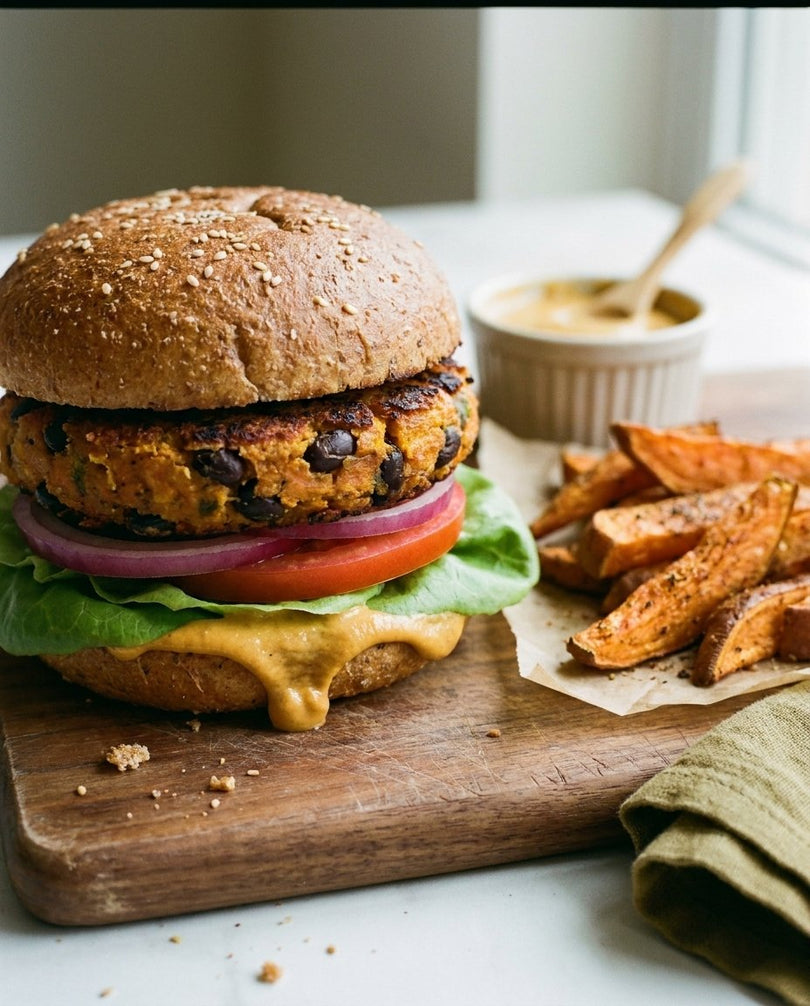
When people take meat off the plate, something has to go in its place, and the easiest thing to reach for is whatever was already in the pantry. Pasta. Bread. Bagels. Crackers. Veggie burgers and plant-based packaged food that is mostly flour.
It all qualifies as plant-based. It is also the food most likely to give you exactly the afternoon she described. Refined starch arrives in the bloodstream quickly, the body answers with a large rise in insulin, and an hour or two later the energy goes out from under you. Our article on why your energy crashes walks through how that works.
So the first question I ask a tired caller is not "are you eating enough?" It is "what replaced the meat?"
The Juice Is What Makes the Difference

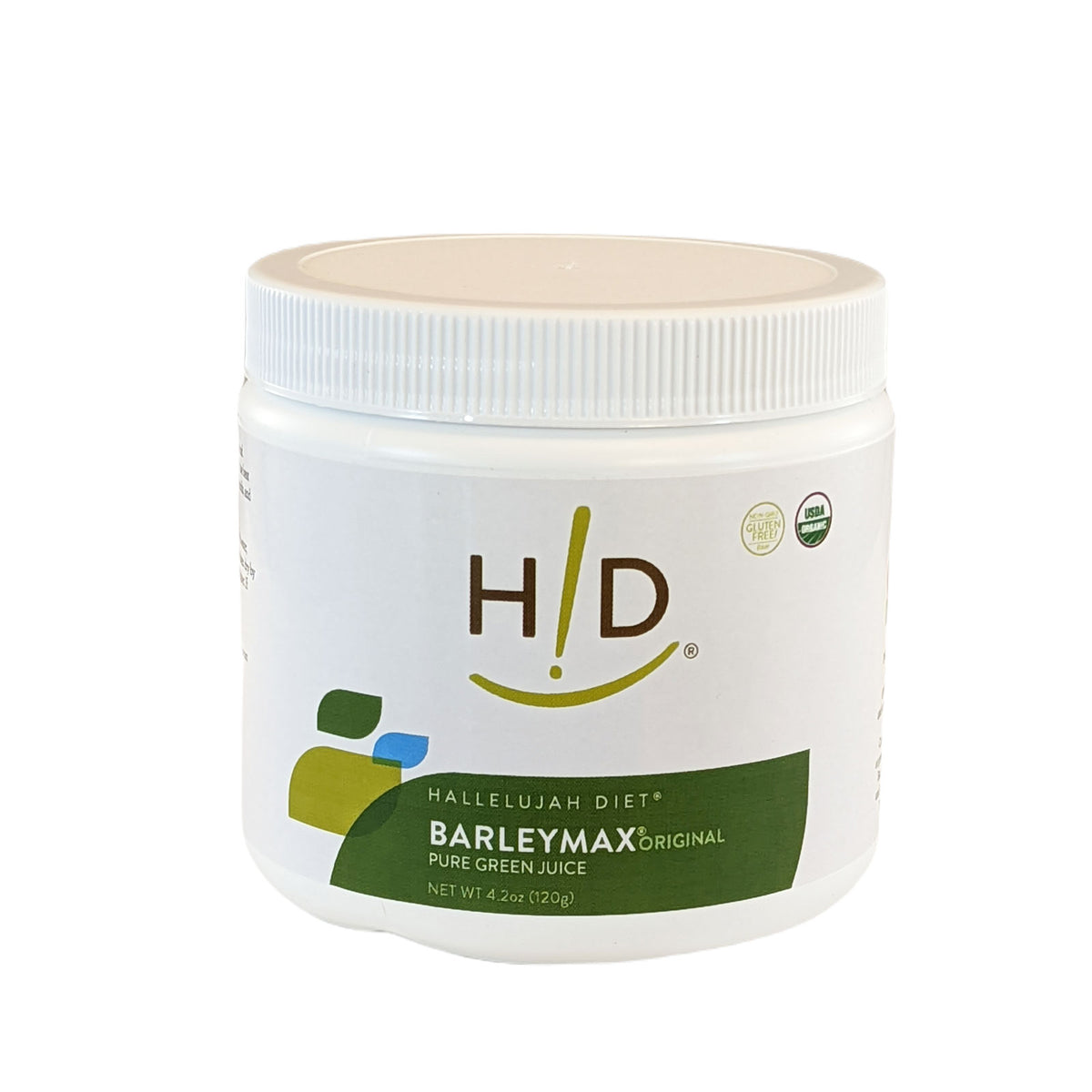
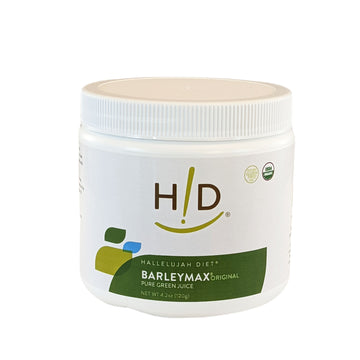
Here is the part that surprises people. The ones who come through the change with steady energy, almost without exception, are the ones drinking fresh vegetable juice or a glass of BarleyMax every day.
There is a reason for that. Juicing opens the cell walls of the plant and does the digestive work before the food ever reaches you. Dr. H. E. Kirschner put the difference at under 35 percent of the nutrients absorbed from vegetables eaten whole, even by a good digestion, against upwards of 90 percent from the juice. A glass of carrot and greens juice, or BarleyMax stirred into water, delivers a large share of nourishment in minutes and asks almost nothing of you in return.
That is a very different thing from a bowl of pasta, which asks a great deal of your body and gives back a short burst of fuel.
One distinction matters here. The rule we teach is juice your vegetables and eat your fruit. Vegetable juice carries very little sugar, so removing the fiber costs you nothing. Fruit juice carries a lot of sugar, and the fiber was what slowed it down. A glass of orange juice and a glass of collard greens, cucumber, carrot and celery juice are not the same thing, and only one of them belongs at the center of your day. Our piece on how BarleyMax powers the body goes deeper on why a grass juice does this so well.
I'll tell you my own experience, for what it's worth. My morning is a glass of BarleyMax, and often some plant protein powder after a good workout. Most days I don't eat a full meal until after noon. I'm approaching sixty-five, and I don't run out of energy.
I don't say that so anyone will copy my schedule, and I wouldn't start there. Most people coming off the standard American diet have some blood sugar swings to work through, and in the first weeks they need more in the morning than I do. That's fine and it's expected. Have your juice or your BarleyMax, and then have a real breakfast beside it — oatmeal with ground flax and berries, a bowl of fruit with a handful of walnuts, whatever whole food holds you. As your blood sugar settles, and it will, you'll likely find you need less to get through the morning. The juice is the constant. Everything else can move with you.
The Salad Isn't the Problem

Somewhere along the way, people picked up the idea that a big salad is mostly water and fiber and can't carry you. That isn't how we see it.
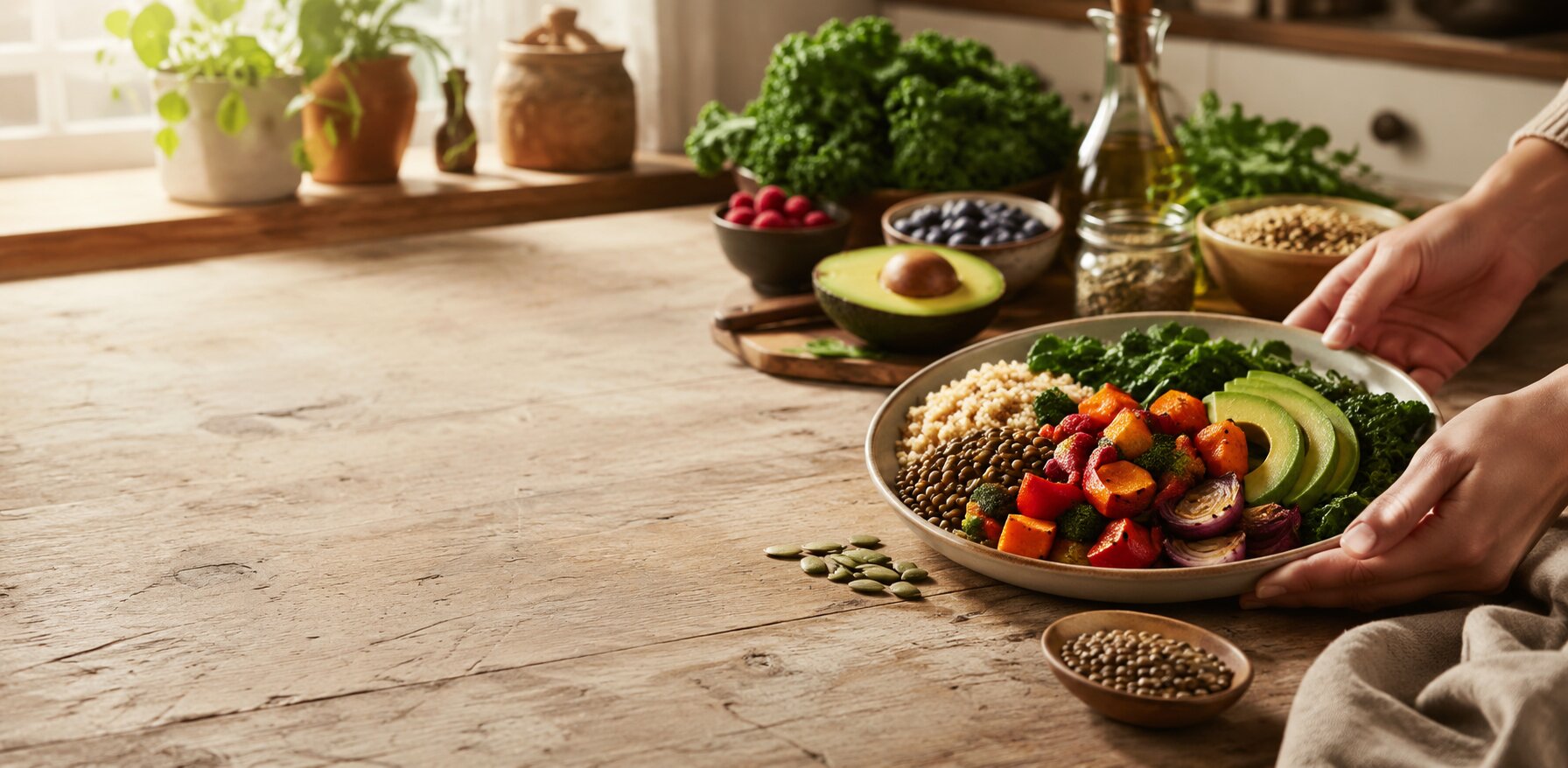
A large salad of dark greens and raw vegetables is some of the most nutrient-rich food you can put on a plate — living food, full of the enzymes, minerals and vitamins your body is designed to run on. It has been the center of lunch and dinner in this way of eating for decades, and it isn't what's causing the three o'clock wall.
What helps is letting the salad do its job alongside the juice, and then choosing the right cooked food to sit beside it.
Part of the reason people drift toward pasta is simple: it's easy. Boil some noodles, pour sauce over the top, and dinner is done. A big salad, built from scratch every night, takes more washing and chopping than most of us have energy for at six o'clock. That's the problem The Salad Box System was made to solve. You prep your vegetables once into separate containers, kept in the refrigerator like your own salad bar, and a full salad comes together in under five minutes. When the salad is as easy as the noodles, it wins.
Something Warm and Whole, Most Days

Raw food is the heart of this way of eating. But our standard has always been mostly raw with cooked food alongside, and the cooked food matters.
The difference is which cooked food. Warm, whole cooked food — a baked sweet potato, a pot of lentil soup, steamed squash, beans and brown rice — is a world away from a plate of pasta. These foods come with their fiber still in them, so they arrive slowly and hold you through the evening. They satisfy in a way cold food doesn't, especially in the fall and winter.
If your afternoons have been hard, try a simple trade for two weeks. Wherever pasta or bread has been doing the work, put a sweet potato, a bowl of beans, or a pot of soup there instead.
Protein, on Purpose
Nobody eating whole plant foods is in danger of getting no protein. Greens have it. Beans and lentils have plenty. It is in nearly everything.
What changes is that protein stops being deliberate. When meat sat in the middle of the plate, it was a decision. Now it can become incidental, and for a woman in midlife who wants to hold onto her strength, it is worth putting back on purpose. Beans or lentils most days. Seeds on the salad. Our protein guidance walks through the amounts, but the habit matters more than the number.
Where Supplements Fit, and Where They Don't
Everything above is food. That is the order this works in.
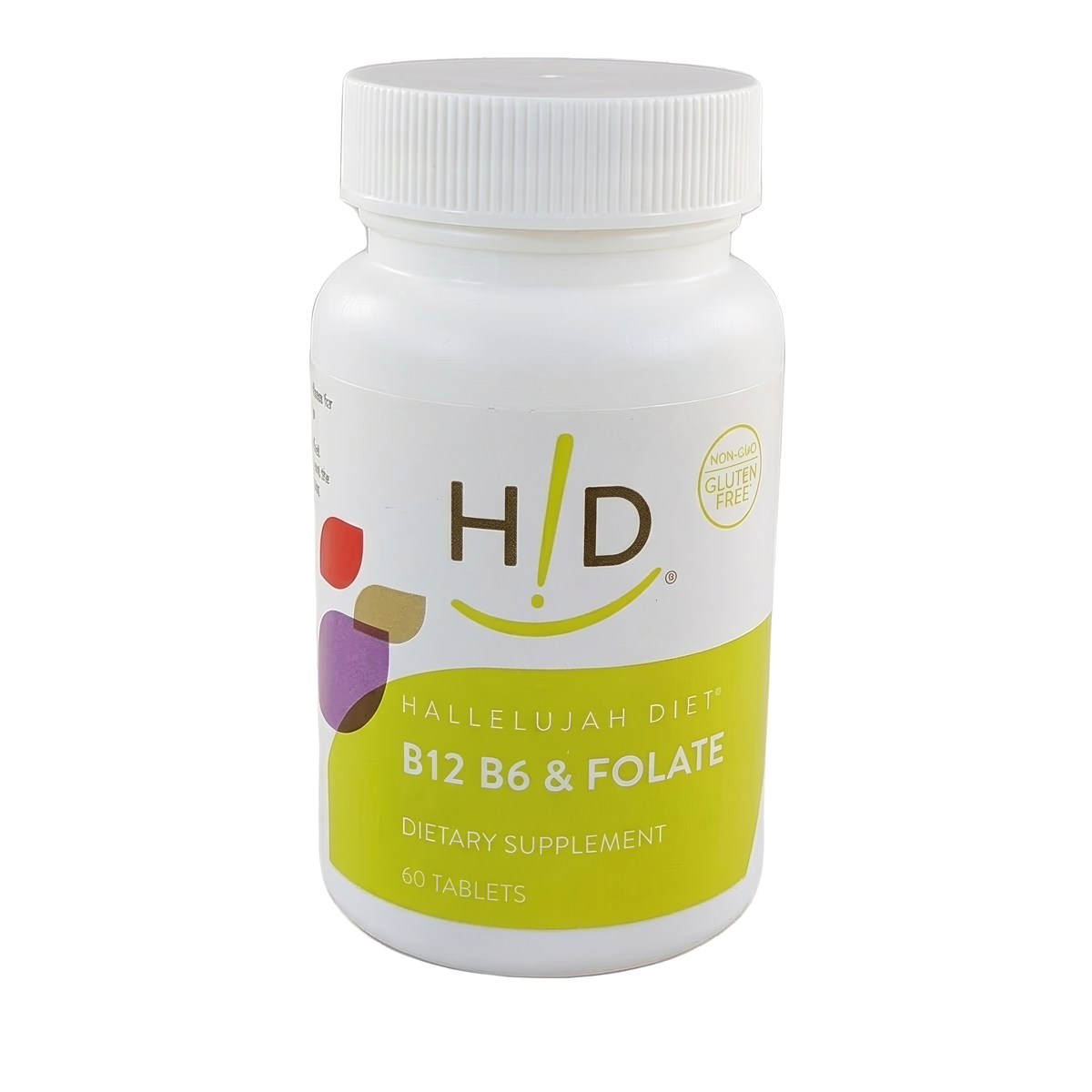
The one exception worth taking seriously is B12. Plant foods don't supply it in a form you can count on, and fatigue is often the first sign it has run low. Anyone eating this way should be supplementing B12 and checking it every two to three years.
A quick note, because this one catches a lot of people: most assume the multivitamin they picked up somewhere has them covered. Usually it doesn't. Take a dedicated B12 supplement, and the form we recommend is sublingual methylcobalamin — it dissolves under the tongue. Ask for the actual number rather than "normal." The range is wide, and the bottom of it is not where you want to live.
Iron is worth a look too, especially for women who are still cycling. If the tiredness hangs on after the changes above, ask for a ferritin number and take it to a nutritionally minded health care professional.
Where to Start This Week

- Add a glass of fresh vegetable juice or BarleyMax every morning, alongside whatever whole-food breakfast holds you. If you only change one thing, change this.
- Look at what replaced the meat. Wherever pasta, bread or crackers have moved in, trade them for sweet potatoes, squash, beans, lentils or brown rice.
- Keep the big salad, and make it easy with The Salad Box System. It's doing more for you than you think.
- Juice your vegetables and eat your fruit.
- Get your B12 number, and take a dedicated sublingual methylcobalamin B12 — not just a multivitamin.
- Give it three weeks before you decide anything.
The Design Was Never Scarcity
Genesis 1:29 has God handing us "every herb bearing seed, which is upon the face of all the earth, and every tree, in the which is the fruit of a tree yielding seed." Herbs, seeds, fruit — living food, given from the beginning, and given in abundance.
The tiredness that comes in week four isn't a sign you chose wrong. It usually means the plate drifted toward the easy, refined things and away from the living ones. Bring the living food back to the center, and most people find the energy comes with it.
If you'd like to start with the one change that matters most, BarleyMax is the simplest way we know to put living, juiced nourishment into your day — one glass, every morning.
Questions We Hear Most Often
Q: I went plant-based and now I'm exhausted. Does that mean my body needs meat?
A: Almost always, no. The most common reason is what replaced the meat — pasta, bread and other refined starches, which bring a quick rise in blood sugar and a crash after. Add a daily glass of vegetable juice or BarleyMax, trade the pasta for whole foods like sweet potatoes, beans and squash, and give it two or three weeks.
Q: Why does vegetable juice help with energy on a plant-based diet?
A: Juicing opens the plant's cell walls, so the nutrients are released before they reach you and arrive in minutes with almost no digestive work. Dr. H. E. Kirschner put the difference at under 35 percent absorbed from vegetables eaten whole against upwards of 90 percent from the juice. Vegetable juice is low in sugar, so it nourishes without the spike that fruit juice brings.
Q: Is fruit juice just as good as vegetable juice?
A: No. The rule we teach is juice your vegetables and eat your fruit. Vegetables lose nothing by having their fiber removed, but fruit carries a lot of sugar and its fiber is what slows that sugar down. Eat fruit whole, and save the juicer for carrots, celery, greens and the like.
Q: Why do I crash in the afternoon on a plant-based diet?
A: The usual cause is refined starch — pasta, bread, crackers and packaged plant foods made mostly of flour. They raise blood sugar quickly and drop it just as fast. Replacing them with whole, slow foods like sweet potatoes, lentils and brown rice, and adding a daily vegetable juice, usually steadies the afternoon.
Q: Do I need to take B12 on a plant-based diet?
A: Yes. Plant foods don't supply B12 in a form you can rely on, and low levels often show up as fatigue first. Don't count on a multivitamin to cover it — take a dedicated B12, ideally sublingual methylcobalamin. Supplement it and check your B12 every two to three years, asking for the actual number rather than being told it's normal.
Q: Should I be eating cooked food, or is raw better?
A: Both belong on the table. Raw food — salads and fresh juice — carries the living nutrition, and warm, whole cooked food like baked sweet potatoes, lentil soup and squash keeps you satisfied. Mostly raw with real cooked meals alongside holds people far better than raw alone, especially through fall and winter.
You Might Also Like
- Why You're So Tired All the Time (And Why It's Probably Not Your Thyroid) — when the tiredness came before the diet change and every lab came back normal
- How BarleyMax Powers the Body — why one glass of grass juice reaches so much of what the body needs
- What a Day on the Hallelujah Diet Actually Looks Like — juice, salad and cooked food across a real day
- The Best Foods to Fight Fatigue — a practical grocery list for the weeks you're rebuilding energy
- Meat Withdrawal Symptoms: What to Do When You Go Plant-Based — what the first few weeks of the transition normally feel like
We offer these teachings freely to support clarity, stewardship, and responsible care. If this article was helpful, you may explore additional resources here:
- MyHDiet.com — plant-based nutrition, enzymes, detox foundations
- WipeOutToxins.com — toxin-free living and prevention
- CleanseYourBlood.com — circulation and blood-flow support
- AMPMForHealth.com — daily support essentials
- HealthRetreat.com — Hallelujah Diet Health Retreat
Thank you for being part of a community committed to thoughtful, responsible care.