




God has built self-healing into our bodies. We experience it every day, whether it's a cut on your finger, a blister that heals, a broken bone, or something else internal you can't even see. We experience it every day.
A lot of that healing happens when you sleep. There are four main levers you can use to improve your diet and lifestyle. They are: what you eat, how you move, how you handle stress, and how well you sleep. Skip any one of these levers and your health will suffer. Every time. Sorry, we're all human, and we'd all like to think that we have some superpower that helps us overcome skipping a lever, but it just ain’t true, not for me or you.
You can't sleep your way out of a body that's depleted of nutrients, but you can't out-supplement a body that isn't getting the sleep/repair window it needs either.
Let me explain the vicious cycle of poor sleep and glutathione depletion.
The Antioxidant Your Body Is Supposed to Rebuild Every Night
Glutathione is not something you eat much of directly. There is a very tiny bit in some fruits and vegetables, but it's a really minuscule amount that the plant needed for its own defenses. You need much more than what you get from plants. So, your body builds it, mostly inside your own cells, out of three amino acids: cysteine, glutamine, and glycine. It's the most abundant antioxidant your cells make, and it's the one your liver, brain, and immune system lean on hardest to clean up the damage of daily living. There's a reason it's called "the Master Antioxidant."
Your body works on a circadian rhythm, a cycle of activity and rest, a daily hum of work/stress and rest/rebuild. Sleep is when a lot of that cellular repair happens. Your brain does its housekeeping at night. Your liver processes what built up during the day. That repair work runs on glutathione.
In a nutshell, that's what's going on.
What Actually Happens to Glutathione When Sleep Is Cut Short
Dr. Jiyoung Ma and colleagues at the University of Utah School of Medicine used brain imaging to answer this directly. Published in the journal Sleep, their study measured cortical glutathione levels in adolescents using magnetic resonance spectroscopy, a scanning method that can detect antioxidant concentration inside living brain tissue. The finding: every additional hour of weekly sleep loss the teens reported was associated with measurably lower cortical glutathione and reduced antioxidant capacity.
Read that again. This wasn’t a survey or a questionnaire about how tired people felt. The researchers used a brain scan to show the antioxidant reserve going down as sleep loss went up.
That cross-sectional picture gets a more direct confirmation from a different kind of study. Dr. Malav Trivedi and colleagues at Nova Southeastern University measured plasma glutathione in 19 young adults, then kept them awake for one full night, then measured it again the next morning. Published in PLOS ONE, glutathione dropped significantly in the same people after just one sleep-deprived night, along with ATP, cysteine, and homocysteine. Same person, two timepoints, one variable changed. Together, these two studies indicate that loss of sleep reduces plasma glutathione, which may also be related to reduced brain glutathione.
This connection has been studied at the mechanism level for over two decades, though mostly in animal models so far. Researchers at the Universidade Federal de São Paulo, led by Dr. Vânia D'Almeida, deprived rats of sleep and measured glutathione directly in the hypothalamus, the brain region that governs sleep-wake regulation. Published in the European Journal of Pharmacology, the sleep-deprived rats showed significantly reduced hypothalamic glutathione. The researchers even tried giving the rats melatonin to see if it would protect glutathione levels. It didn't. To be fair, this was animal research, not a human trial, so it tells us about mechanism, not about what happens in your bedroom. But it lines up with what the human brain imaging study found decades later.
The Cycle That Feeds Itself
The interaction between oxidative stress and sleep goes both ways. Poor sleep increases oxidative stress in the brain. Oxidative stress burns through glutathione faster than your body can replace it. And lower glutathione leaves your brain with less antioxidant defense against the very oxidative stress that poor sleep is generating.
That's a vicious cycle, as shown in the figure below. Sleep loss drains the antioxidant. The drained antioxidant makes the brain more vulnerable to the stress that sleep loss creates in the first place.

So the question isn't just "how do I sleep better?" It's also "how do I keep my glutathione reserves built up so a rough night doesn't compound into a rough week?"
Why Swallowing Glutathione Itself Falls Short
Here's something worth knowing before you reach for a glutathione capsule: swallowing glutathione directly doesn't work very well. Dr. Andre Witschi and colleagues at the University of Bern tested this in seven healthy volunteers, giving them a single oral dose as high as 3,000 mg. Published in the European Journal of Clinical Pharmacology, plasma glutathione did not rise significantly. The reason is straightforward. Glutathione is a tripeptide, three amino acids strung together, and an enzyme in your gut called gamma-glutamyltransferase breaks that chain apart before it ever reaches your bloodstream intact.
The strategy here is not to supplement with glutathione, but with the precursors that are needed for your body to build glutathione more effectively. Cysteine tends to be the limiting factor for the formation of glutathione, so providing more cysteine in the form of N-acetylcysteine seems to be most helpful.
A quick word on liposomal glutathione, since you'll see it marketed as the workaround. The liposomal coating is designed to help the molecule survive digestion. One small peer-reviewed trial did report increased glutathione stores after liposomal supplementation, but it's a single modest study, not a settled body of evidence, and it hasn't been widely replicated. If the evidence does get stronger, and it indeed is helpful, I'll let you know. But don't count on it as your primary strategy yet.
Rebuilding Glutathione From the Inside Out
As I mentioned, giving your body the precursor amino acids is the most efficient way to produce more glutathione. Here's the evidence and the amounts of precursor that have effectively worked.
Dr. Premranjan Kumar and Dr. Rajagopal Sekhar at Baylor College of Medicine ran a randomized, placebo-controlled clinical trial testing exactly this idea in older adults, a population where glutathione naturally declines. Participants supplemented with glycine and N-acetylcysteine (NAC, a source of cysteine) for 16 weeks. Published in the Journals of Gerontology: Series A, the results showed corrected glutathione deficiency, reduced oxidative stress, improved mitochondrial function, and measurable gains in physical function, compared to placebo. The dose of cysteine and glycine was 100 mg/kg/day in this trial.
Dose matters here. A 2011 trial from the same Baylor lab found that high-dose cysteine and glycine (130 mg/kg/day of NAC) fully restored glutathione in deficient elderly subjects in just two weeks. But a separate trial published in Frontiers in Aging tested similar gram-level doses in healthy older adults and found no benefit, except in the subset who started out both stressed and deficient. The pattern holds: multi-gram NAC doses help people who are already running low. If your glutathione is already fine, more precursor doesn't move it.
A whole-food plant-based diet is naturally rich in these same building blocks. Cruciferous vegetables like broccoli, cauliflower, and Brussels sprouts supply sulfur compounds that support cysteine availability. Legumes and whole grains supply glutamine and glycine. Garlic and onions add more sulfur to the mix. You're not eating glutathione directly nearly as much as you're eating what your body needs to build it.
Selenium: The Cofactor Glutathione Can't Work Without
Glutathione doesn't do its job alone. It needs an enzyme, glutathione peroxidase, to actually put it to work neutralizing free radicals. And that enzyme needs selenium as its cofactor. Without enough selenium, you can have plenty of glutathione sitting around and still not get the antioxidant protection you need.
Dr. Omid Sedighi and colleagues at Mazandaran University of Medical Sciences ran a randomized clinical trial testing this directly. Published in Nephrourol Mon, patients supplementing with 200 mcg of selenium daily for three months showed significantly increased red blood cell glutathione peroxidase activity compared to their own baseline. The trial was conducted in patients with chronic kidney disease, a population known to run low on both selenium and glutathione peroxidase activity, so the results speak most directly to people in that situation. But the underlying mechanism, selenium as the cofactor glutathione peroxidase requires, holds true for everyone.
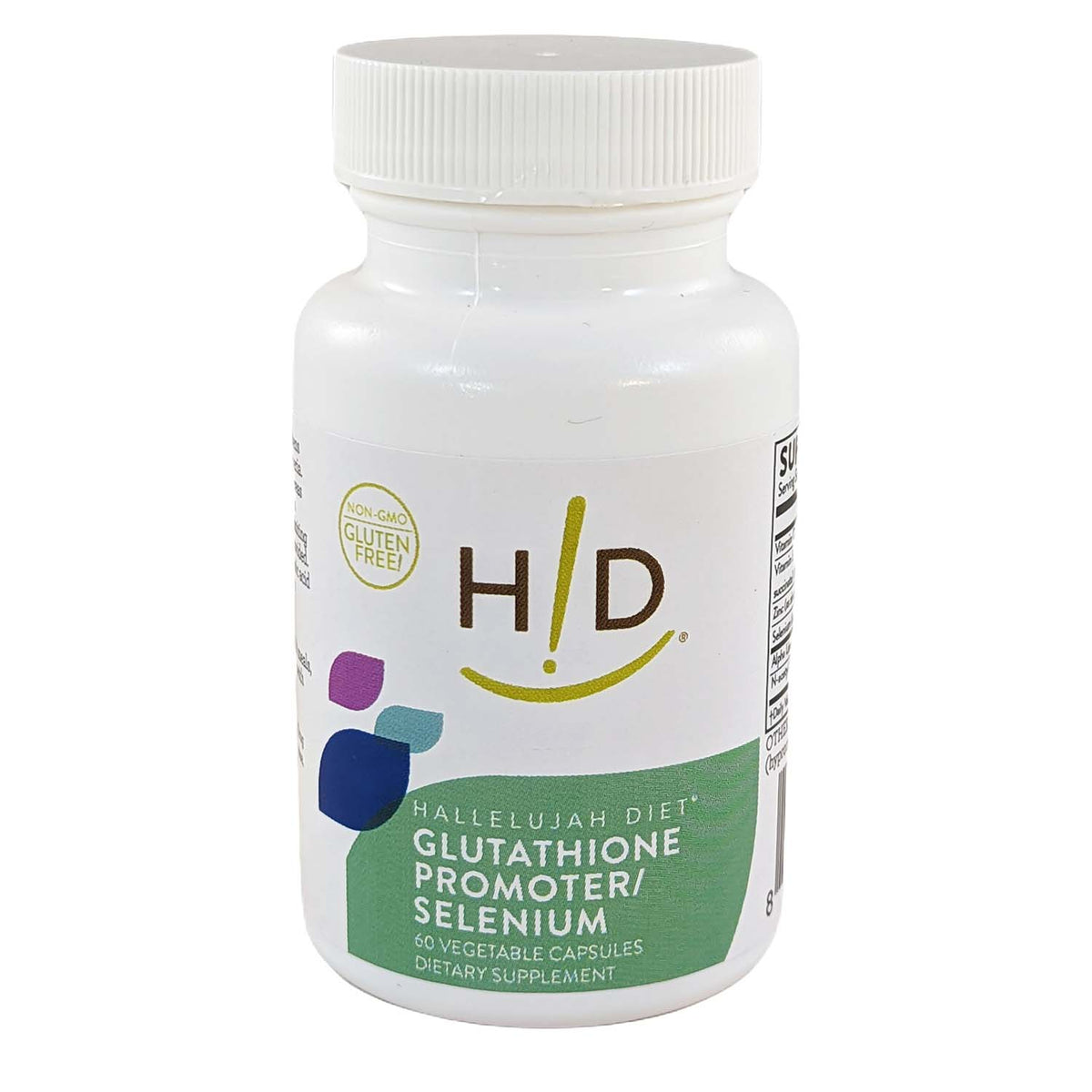
That's the same 200 mcg dose (as selenomethionine) built into our Glutathione Promoter/Selenium formula, along with a supporting dose of vitamin C, vitamin E, and zinc. Two capsules a day gives your body 400 mg of NAC precursor, 300 mg of alpha lipoic acid, and 400 mcg of selenium all at once, rather than piecing it together from separate bottles. Brazil nuts, sunflower seeds, and mushrooms are worth leaning on too, especially if you're eating from soil that hasn't been selenium-rich in years. To get the multi-gram amounts of N-acetylcysteine that they have used in research protocols (2.4 to 9 grams a day), you need a standalone NAC supplement as well.
So What Should You Actually Do Tonight
There are two ways to interrupt this cycle of poor sleep and glutathione depletion. You need to work both on the sleep side and the glutathione side.
1. Feed your body the precursors it needs to make glutathione. This means eating foods that have selenium in them, having good protein intake, and possibly taking precursor supplements (NAC and selenium) if indicated.
2. Protect your sleep so that you give your body time to do the repair work that it needs to.
For a deeper look at building better sleep habits, see our article on why sleep is your health's ultimate superpower. And if thyroid or mineral status is part of your picture, our article on iodine and selenium for thyroid health connects some of the same dots. And if you'd rather give your body the raw materials than gamble on a glutathione capsule that mostly won't survive digestion, that's what Glutathione Promoter/Selenium is there for.
Frequently Asked Questions
Does glutathione help you sleep?
There's no direct clinical trial showing glutathione supplementation improves sleep quality. The stronger, better-documented relationship runs the other direction: poor sleep measurably lowers glutathione levels in the brain. Supporting glutathione production may help protect the brain from the oxidative stress that poor sleep causes, which is different from glutathione acting as a sleep aid.
Should I just take a glutathione supplement directly?
Probably not as your main strategy. Glutathione is a tripeptide, and research going back to 1992 shows that swallowing it directly doesn't really raise blood levels, because digestive enzymes break it apart before it's absorbed. Precursor nutrients like N-acetylcysteine, glycine, alpha lipoic acid, and selenium give your body what it needs to make and use its own glutathione, and that approach has better clinical support.
How much NAC do I need to raise low glutathione?
If your glutathione is already in a healthy range, more NAC won't do much. The research on this is pretty consistent. Studies that actually raised glutathione used 2,400 mg or more of NAC a day, sustained for two months or longer, in people who were already deficient or under real oxidative stress. A 2022 trial from the Nestlé Institute of Health Sciences tested lower and higher doses (2.4 to 7.2 grams a day) for just two weeks in healthy older adults and found no benefit for the group as a whole. Only the subset who started out both stressed and deficient responded, and even then it took the higher end of that range. So if you know or suspect you're significantly depleted by chronic illness, heavy toxin exposure, or by older age with documented oxidative stress, then you should talk with your healthcare provider about using a dedicated, higher-dose NAC supplement.
Can low glutathione cause insomnia?
The research doesn't show a direct causal line from low glutathione to insomnia. What it does show is that low glutathione and oxidative stress travel together with poor sleep, in a cycle that reinforces itself. Addressing one side of that cycle, whether that's sleep hygiene or antioxidant support, tends to help the other.
Does glutathione keep you awake?
There's no evidence that glutathione is stimulating. It isn't a stress hormone or a caffeine-like compound. If you notice sleep disruption after starting a glutathione or NAC supplement, it's more likely related to timing, dose, or an unrelated factor than to a direct wakefulness effect.
Is it good to take glutathione-supporting supplements at night?
Precursor nutrients like glycine, NAC, and selenium don't have a strict timing requirement the way melatonin does. Many people take them with dinner or their evening meal for consistency. If you're specifically targeting overnight repair, an evening dose lines up logically with when your body is doing its deepest cellular housekeeping.
What foods increase glutathione naturally?
Cruciferous vegetables (broccoli, cauliflower, Brussels sprouts), garlic, onions, legumes, and whole grains supply the amino acid building blocks and sulfur compounds your body uses to synthesize its own glutathione. Selenium-rich foods like Brazil nuts and sunflower seeds support the enzyme that puts glutathione to work.
The Hallelujah Diet Perspective
We began this article by looking at the four levers you have to improve your health. (What you eat, how you move, how you deal with stress, and how well you sleep.) Holistic health requires paying attention to all four of them. At Hallelujah Diet, we emphasize balance. A balanced life is a fulfilling life.
God has provided us with what we need to live and to thrive. Sleep is not a necessary evil; it is time our bodies need to heal and recover from the day-to-day onslaught of work, stress, and cellular damage. There are times when you have to push through and get a project done or finish something that's very time-critical. But when it becomes a lifestyle, and you don't take time to recover from those intense situations, you become imbalanced and poor health ensues.
I’m not preaching at you, but you and I both know that we can't keep doing the same thing we’ve always done and expect different results. Great sleep is actually your superpower. Don't neglect it.
Take time to reflect on your health, what your health goals are, and take the next step towards your goal, so that you are becoming healthier day by day. Maybe you just need better sleep. How are you going to do that?
We're here to help you regain your health and complete the mission you have on Earth. For inspiration, check out our testimonies page. If you don't know where to start, start right on this page. If you're ready to jump in, sign up for the Foundations Class or check out our Get Started kit.
We would love to hear your stories of how you have overcome obstacles to regain your health, so we can shout together with you, "Hallelujah!"
References
- Trivedi MS, Holger D, Bui AT, Craddock TJA, Tartar JL. Short-term sleep deprivation leads to decreased systemic redox metabolites and altered epigenetic status. PLoS One. 2017;12(7):e0181978. PMID: 28738082. https://doi.org/10.1371/journal.pone.0181978
- D'Almeida V, Hipólide DC, Lobo LL, de Oliveira AC, Nobrega JN, Tufik S. Melatonin treatment does not prevent decreases in brain glutathione levels induced by sleep deprivation. Eur J Pharmacol. 2000;390(3):299-302. PMID: 10708737. https://doi.org/10.1016/s0014-2999(99)00924-3 (animal study; rats)
- Witschi A, Reddy S, Stofer B, Lauterburg BH. The systemic availability of oral glutathione. Eur J Clin Pharmacol. 1992;43(6):667-669. PMID: 1362956. https://doi.org/10.1007/BF02284971
- Kumar P, Liu C, Suliburk J, Hsu JW, Muthupillai R, Jahoor F, Minard CG, Taffet GE, Sekhar RV. Supplementing glycine and N-acetylcysteine (GlyNAC) in older adults improves glutathione deficiency, oxidative stress, mitochondrial dysfunction, inflammation, physical function, and aging hallmarks: a randomized clinical trial. J Gerontol A Biol Sci Med Sci. 2023;78(1):75-89. PMID: 35975308. https://doi.org/10.1093/gerona/glac135
- Sekhar RV, Patel SG, Guthikonda AP, Reid M, Balasubramanyam A, Taffet GE, Jahoor F. Deficient synthesis of glutathione underlies oxidative stress in aging and can be corrected by dietary cysteine and glycine supplementation. Am J Clin Nutr. 2011;94(3):847-853. PMID: 21795440. https://doi.org/10.3945/ajcn.110.003483
- Lizzo G, Migliavacca E, Lamers D, Frézal A, Corthesy J, Vinyes-Parès G, Bosco N, Karagounis LG, Hövelmann U, Heise T, von Eynatten M, Gut P. A randomized controlled clinical trial in healthy older adults to determine efficacy of glycine and N-acetylcysteine supplementation on glutathione redox status and oxidative damage. Front Aging. 2022;3:852569. https://doi.org/10.3389/fragi.2022.852569
- Sedighi O, Zargari M, Varshi G. Effect of selenium supplementation on glutathione peroxidase enzyme activity in patients with chronic kidney disease: a randomized clinical trial. Nephrourol Mon. 2014;6(3):e17945. PMID: 25032143. https://doi.org/10.5812/numonthly.17945


2 comments
Central Virginian
Interesting info, and a good balance between technical info and understandable to a layman. Motivating me to get to bed earlier.
Interesting info, and a good balance between technical info and understandable to a layman. Motivating me to get to bed earlier.
Nayda Pastrana
Excellent read!! Thanks fort the info!
Excellent read!! Thanks fort the info!