


If someone tells you to eat beets for nitric oxide, they're not wrong. But they're not giving you the full picture.
Beets are the most well-known nitric oxide food, and most of the research on dietary nitrates has focused on beet juice. Maybe it was easier to get people to eat beets or drink beet juice than it was to eat a huge salad of arugula. Maybe it was just easier to get beets year-round. Or maybe the authors preferred beets to arugula.
Regardless, beet juice became the standard for nitric oxide research. Now, everyone thinks beet juice is the best way to get a nitric oxide boost from vegetables.
But if you look at the actual nitrate content of foods, arugula comes out on top. Not beet juice. Arugula.
Most people have no idea about this. That's what this article is about.
The Nitrate Numbers: Arugula vs. Beets
Dr. Karen Corleto and colleagues at Texas A&M University's Vegetable and Fruit Improvement Center measured the nitrate content of freshly prepared arugula and beet juice. They published their results in the Journal of Food Science in 2018.
The numbers were clear. Arugula juice measured 6,310 micrograms of nitrate per milliliter. Beet juice measured 4,965 micrograms per milliliter. That's about 27% more nitrate in arugula than in beets, by volume.
Now, I want to be fair to beets here. The comparison depends on how you measure it and what form of each vegetable you're looking at. Concentrated beet juice powders can have very high nitrate levels depending on processing. But as fresh whole vegetables go, arugula is at the top of the list for nitrate density among salad greens. The other salad greens aren't even close to Arugula for nitrate content.
You might not find that surprising when you taste it. Arugula is bitter. It's peppery. A lot of those sharp flavors in cruciferous vegetables come from the same compounds that make them nutritionally dense. There's a reason it doesn't taste like iceberg lettuce.
How Arugula's Nitrate Becomes Nitric Oxide
Dietary nitrate doesn't directly become nitric oxide when you swallow it. The conversion happens through what researchers call the enterosalivary pathway. Seeing this pathway helps you understand how the nitrates really make a difference for you.
Here's how it works. You eat arugula. The nitrates are absorbed from your gut into your bloodstream. Your salivary glands then actively concentrate that nitrate and recirculate it back into your saliva. I mean, your body is deliberately doing this. It's not incidental. The nitrate in your saliva is then reduced to nitrite by bacteria living on the back of your tongue. That nitrite gets swallowed again, enters the bloodstream, and is converted into nitric oxide in your blood vessels, especially under low-oxygen conditions.
Dr. Carl Koch and colleagues at the University of Pittsburgh, along with Dr. Jon Lundberg and Dr. Eddie Weitzberg at the Karolinska Institute in Sweden, reviewed this process in Free Radical Biology and Medicine in 2017. They described the oral microbiome as playing a critical role in the production of nitric oxide from dietary nitrate, particularly under conditions of cardiovascular stress. The graphical abstract of their article is in the figure here, so you can see a little bit of what they're talking about.

Figure 1. From Koch et al (2017) Free Radical Biology & Medicine. 2017;105:48-67.
This is why antiseptic mouthwash is a problem if you're trying to optimize nitric oxide. When you kill the oral bacteria, you lose much of your ability to convert dietary nitrate to NO. If you're eating arugula for cardiovascular benefit, using antiseptic mouthwash regularly works directly against that.
Tooth oil, such as Ora-Shield, helps fight the bacteria that cause gum disease without damaging the beneficial bacteria in the mouth. Then, pairing tooth oil with a nano-hydroxyapatite-containing toothpaste will keep your pearly whites clean and your gums healthy while letting your oral bacteria do their job of producing nitric oxide (NO).
What the Blood Pressure Research Actually Shows
Here's where we lay out the research and what it actually shows, not just short-term trials and the promise of huge changes.
There is solid evidence that dietary nitrate lowers blood pressure. Dr. Lorna Gee and Dr. Amrita Ahluwalia at Queen Mary University of London reviewed the epidemiological, pre-clinical, and clinical trial data in Current Hypertension Reports in 2016. Their conclusion was that dietary nitrate represents a cost-effective intervention for reducing blood pressure through the enterosalivary circuit. That's good data, and it's a compelling case.
A more recent 2024 meta-analysis led by Dr. Cicero Jonas Benjamim at the University of São Paulo, published in Free Radical Biology and Medicine, pooled results from 26 randomized controlled trials. The daily nitrate doses ranged from 90 to 800 mg across the studies. The result: dietary nitrate reduced systolic blood pressure during exercise by about 3 mmHg and reduced it further after exercise. These are real effects, but not huge shifts.
That said, a 16-week randomized controlled trial published in Nutrients in 2024 by Dr. Dandan Li and colleagues at the University of Toronto's St. Michael's Hospital found no significant difference between high-nitrate and low-nitrate vegetable supplementation in people with early-stage hypertension. The high-nitrate group was getting about 400 mg of nitrate daily from vegetable powder; the low-nitrate group about 50 mg. No significant difference in blood pressure at 16 weeks.
It's important to notice both the null reports and the positive ones. The low-nitrate group had slightly lower sodium intake and slightly higher potassium intake, which may have helped offset any differences. Both groups improved their blood pressure, so any difference was wiped out by comparison. Also, the authors were unable to recruit as many participants because the trial took place in the middle of the pandemic. But it still isn't clear exactly why they didn't see a significant difference. Part of it is that there maybe there isn't a big difference to find.
The short-term blood pressure evidence is good. The long-term evidence in people who already have hypertension is more mixed. One trial doesn't settle the question, and I'd rather tell you that than pretend the research is more certain than it is. The effects are greater, of course, for people who have higher blood pressure. For people with slightly elevated blood pressure, the effects aren't as dramatic.
For most people seeking to eat for cardiovascular health, the evidence for nitrate-rich vegetables remains compelling. The blood pressure benefit is probably one part of a larger metabolic picture.
Arugula's Second Cardiovascular Mechanism
Arugula has something beets don't: glucosinolates. These are sulfur-containing compounds found in cruciferous vegetables that convert to isothiocyanates when you chew them. Chewing is the trigger: it breaks open plant cells and mixes the glucosinolates with the enzyme that activates them.
Isothiocyanates have documented anti-inflammatory effects. They activate the Nrf2 pathway, which regulates the body's antioxidant defense systems. Researchers at the Biomedical Research Foundation of the Academy of Athens, led by Dr. Maria Markou and Dr. Andreas Papapetropoulos, published a study in Phytotherapy Research in 2024 showing that Eruca sativa extracts (arugula) reduced fat accumulation and body weight in obese mice. The mechanism involved both the nitrate-to-NO pathway and the sulfide pathway from glucosinolates, working together.
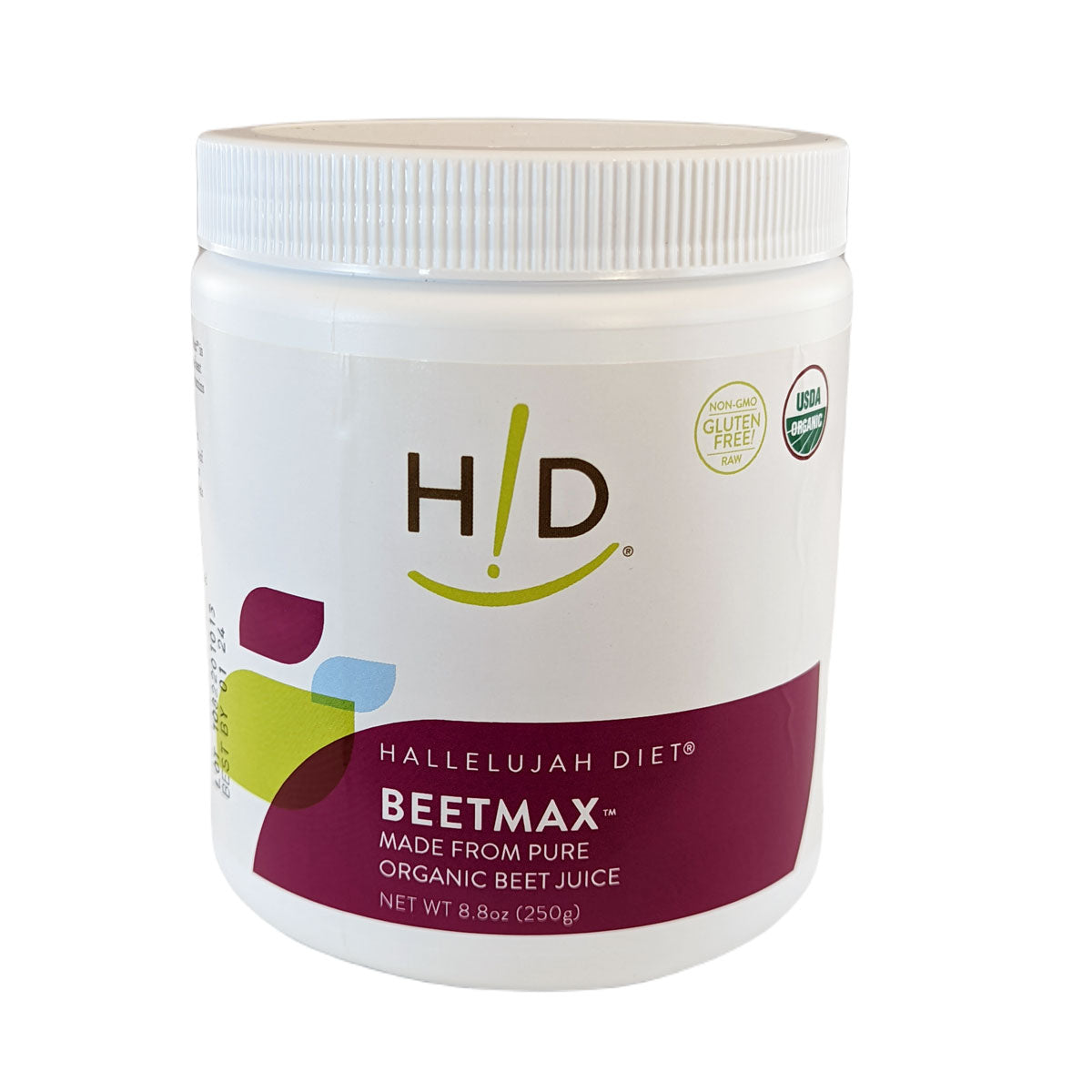
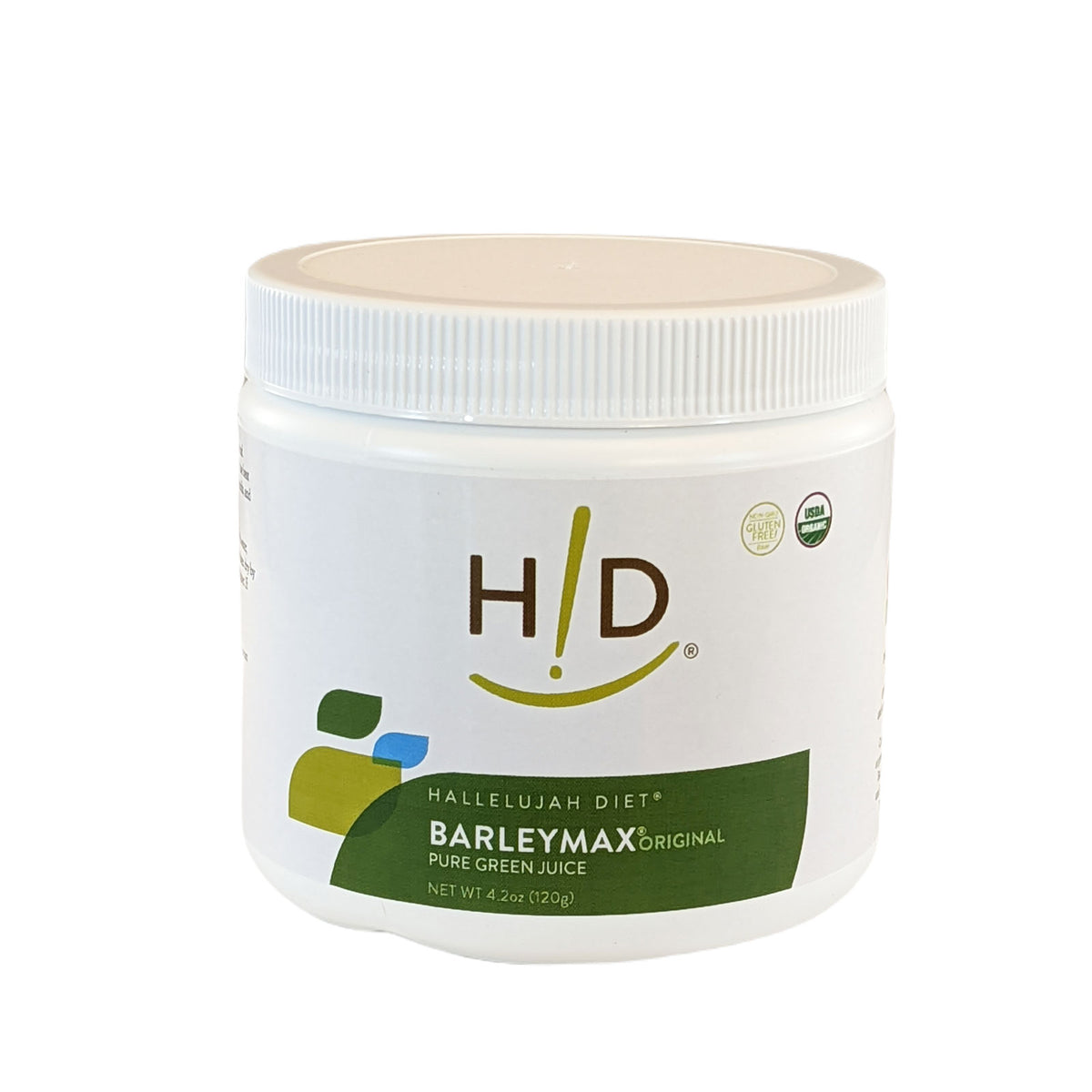
This is a dual cardiovascular benefit you don't get from beets. Beets have their own unique compounds: betaine, betalains, and fiber. They're excellent. BeetMax is a product we use and recommend. But arugula's profile is distinct, and the glucosinolates add a layer of anti-inflammatory protection that most nitric oxide food lists completely miss.
How Much Arugula Do You Actually Need?
Most nitrate research uses doses ranging from 200 to 500 mg of dietary nitrate per day. Arugula typically contains 400 to 480 mg of nitrate per 100 grams of fresh weight, though this varies with growing conditions. I think soil composition and whether it's greenhouse or field-grown make a real difference. Two to three cups of arugula per day would put you in the target range used in the research.
That's achievable. A large salad with arugula as the base gets you there. You can also add a cup of arugula to a smoothie. You don't taste it much when it's blended with fruit.
One more thing: chewing your arugula gives you a faster nitric oxide response than swallowing it whole or taking it in capsule form. Chewing breaks the plant cells, activates the glucosinolate enzyme, and increases contact between the plant material and your oral bacteria. Both methods produce nitric oxide, but chewing gets you there faster. So chew your arugula. If you do blend it into a smoothie, take your time to taste it and mix it with your saliva. Don't just gulp down your green smoothie.
For a broader list of nitric oxide vegetables and how they compare, see our article on the 10 best vegetables for nitric oxide. Arugula sits at the top of that list, and this article gives you the deeper science behind why.
A Hallelujah Diet Perspective
A lot of mixed greens have a little arugula in them, along with other leafy greens that aren't quite so potent. If you are healthy and not struggling with high blood pressure, this is a good choice. If you need more help with high blood pressure and you want more dietary nitrates, getting more arugula is a great idea. I recently wrote an article about 10 foods that help lower blood pressure. You may want to take a look at that article for a more complete list of foods that can help with that condition.
Our mission here is to help you succeed in the mission that God has given you in life. So be a good steward of your body. As Jim Rohn said, "Take care of your body. It’s the only place you have to live."
Frequently Asked Questions
|
Question |
Answer |
|
Does arugula have more nitrate than beets? |
Yes. Research from Texas A&M found arugula juice contains about 27% more dietary nitrate per milliliter than beet juice, making it the most nitrate-dense common salad green. |
|
How much arugula do I need to boost nitric oxide? |
Research on dietary nitrate uses 200-500 mg of nitrate per day. At roughly 400-480 mg per 100 grams of fresh arugula, two to three cups daily would meet this threshold. |
|
Is arugula better than beets for nitric oxide? |
Arugula has higher nitrate density, plus glucosinolates that activate anti-inflammatory pathways that beets don't provide. Beets have betaine and betalains. Both are valuable; they complement each other. |
|
Does mouthwash block arugula's nitric oxide benefits? |
Antiseptic mouthwash kills the oral bacteria that convert dietary nitrate to nitrite, a critical step in the enterosalivary pathway. If you're eating arugula for cardiovascular benefit, antiseptic mouthwash works against that goal. |
|
Should I chew arugula or blend it? |
Both work. Chewing produces a faster nitric oxide response because it activates glucosinolate enzymes and increases contact with oral bacteria. Either method delivers the nitrate to your system. |
References
-
Corleto KA, Singh J, Jayaprakasha GK, Patil BS. "Storage Stability of Dietary Nitrate and Phenolic Compounds in Beetroot (Beta vulgaris) and Arugula (Eruca sativa) Juices." Journal of Food Science. 2018;83(5):1237-1248. https://doi.org/10.1111/1750-3841.14129
-
Koch CD, Gladwin MT, Freeman BA, Lundberg JO, Weitzberg E, Morris A. "Enterosalivary nitrate metabolism and the microbiome: Intersection of microbial metabolism, nitric oxide and diet in cardiac and pulmonary vascular health." Free Radical Biology & Medicine. 2017;105:48-67. https://doi.org/10.1016/j.freeradbiomed.2016.12.015
-
Gee LC, Ahluwalia A. "Dietary Nitrate Lowers Blood Pressure: Epidemiological, Pre-clinical Experimental and Clinical Trial Evidence." Current Hypertension Reports. 2016;18(2):17. https://doi.org/10.1007/s11906-015-0623-4
-
Benjamim CJR, Lopes da Silva LS, Valenti VE, et al. "Effects of dietary inorganic nitrate on blood pressure during and post-exercise recovery: A systematic review and meta-analysis of randomized placebo-controlled trials." Free Radical Biology & Medicine. 2024;215:25-36. https://doi.org/10.1016/j.freeradbiomed.2024.02.011
-
Li D, Jovanovski E, Zurbau A, et al. "No Difference between the Efficacy of High-Nitrate and Low-Nitrate Vegetable Supplementation on Blood Pressure after 16 Weeks in Individuals with Early-Stage Hypertension." Nutrients. 2024;16(17). https://doi.org/10.3390/nu16173018
- Markou M, Katsouda A, Papaioannou V, et al. "Anti-obesity effects of Beta vulgaris and Eruca sativa-based extracts." Phytotherapy Research. 2024;38(9):4757-4773. https://doi.org/10.1002/ptr.8291



2 comments
Elizabeth Fordyce
Excellent information and help in very important areas. Thank you!
Excellent information and help in very important areas. Thank you!
Central Virginian
Fascinating information. I plan to have an arugula and beet salad today.
Fascinating information. I plan to have an arugula and beet salad today.