


Hydrolyzed vegetable protein (HVP) is a common ingredient in many processed foods. Over the years it has stirred up concerns among health-minded consumers. Some worry about its hidden ingredient, MSG, while more recent attention has focused on a chemical called 3-MCPD. Let's explore what these concerns mean, why 3-MCPD is a health risk, and how you can avoid HVP in your diet.
What Is Hydrolyzed Vegetable Protein?
Hydrolyzed vegetable protein is a flavor enhancer made by breaking down plant proteins into their individual amino acids. Food manufacturers use it in a wide range of processed foods including soups, sauces, seasonings, snack chips, and frozen meals, where it adds a savory, meaty depth known as umami. The word "hydrolyzed" just means the protein chains have been chemically split apart. What you're left with is a concentrated flavoring agent, not a whole food.
Manufacturers start with a protein-rich plant source, most commonly soy, corn, or wheat. The protein is then broken down through one of three methods: acid hydrolysis, enzymatic hydrolysis, or microbial fermentation.
Acid hydrolysis is the oldest and most common industrial approach. The plant material is heated with hydrochloric acid, which cleaves the bonds holding amino acids together. The mixture is then neutralized, filtered, and concentrated into a paste or liquid. This is the method that creates 3-MCPD. We'll get to that in a moment.
Enzymatic and fermentation methods use living organisms or their enzymes to break proteins apart more gently. Certain molds and bacteria, including the same species used in traditional Asian fermentation, produce enzymes that accomplish the same job without hydrochloric acid. This is one reason fermented soy sauces made the old-fashioned way are safer than their acid-hydrolyzed counterparts. The 3-MCPD problem is essentially a product of the industrial shortcut. Fermentation takes time. Acid hydrolysis is fast and cheap.
That process, it turns out, creates some problems. Let me explain.
Concerns About MSG in HVP
During this process, HVP naturally produces the amino acid glutamate, a substance related to monosodium glutamate (MSG).
MSG has long been controversial, with some people reporting symptoms like headaches or discomfort, sometimes called “Chinese Restaurant Syndrome.” While many people don't have symptoms from eating foods high in free glutamate, concerns have been raised by retired neurosurgeon Dr. Russell Blaylock and others that free glutamate acts as an excitotoxin in the brain. Too much exposure to glutamate, even without MSG headaches, could lead to damaged brain cells and cognitive impairment over the years. Because of these warnings from Dr. Blaylock, we have urged people to stay away from foods that have MSG in them or hydrolyzed vegetable protein. We cover the broader category of processed food additives in our article on ultra-processed foods and vegetarian diets.
HVP vs MSG: They're Not the Same Thing
HVP and MSG are often discussed interchangeably. They're related, but they're not identical, and the distinction matters.
Pure MSG is a single compound: the sodium salt of glutamic acid. It's sold as white crystals and listed on labels simply as "monosodium glutamate." If you want to avoid it, it's easy to spot.
HVP is a complex mixture. Yes, it contains free glutamic acid (usually 10 to 30% by weight), which is why it tastes like MSG. But it also contains dozens of other amino acids, peptides, and flavor compounds, plus the processing byproducts that come from acid hydrolysis. That includes 3-MCPD. Pure MSG, by comparison, does not carry the 3-MCPD risk.
HVP also carries allergen risks that pure MSG does not. Because it's derived from soy, wheat, or corn, it can trigger reactions in people with allergies to those specific crops. Pure MSG is synthesized through bacterial fermentation of sugars and doesn't carry plant allergen concerns.
Here's a simple side-by-side:
| Feature | HVP | MSG |
|---|---|---|
| What it is | Complex amino acid and peptide mixture | Single compound: sodium salt of glutamic acid |
| Free glutamate content | 10-30% by weight | Nearly 100% |
| 3-MCPD risk | Yes (from acid hydrolysis) | No |
| Allergen risk | Yes (soy, wheat, or corn source) | Minimal |
| Label appearance | "Hydrolyzed soy protein," "hydrolyzed corn protein," etc. | "Monosodium glutamate" |
| Flavor profile | Broad and complex (brothy, roasted, slightly sweet) | One-dimensional umami |
The bottom line: both are worth avoiding. But HVP carries additional risks beyond MSG sensitivity. And unlike MSG, which at least has to be labeled by name, HVP hides behind several different names depending on the plant source used.
The Modern Concern: 3-MCPD
But there's more reasons to avoid HVP. There are concerns we didn't know about 20 years ago. One of these is 3-MCPD, or 3-monochloropropane-1,2-diol, a chemical that can form during HVP production under certain conditions, such as high heat or acid use. Unlike MSG, which sparked debate, 3-MCPD poses clear, serious health risks, which has prompted action from food safety authorities worldwide. No one is defending 3-MCPD.
Why 3-MCPD Is a Health Risk
Research indicates that 3-MCPD is a potential carcinogen, meaning it may increase the risk of cancer with long-term exposure to high levels. Additionally, studies in animals have shown that 3-MCPD may act as an anti-fertility compound, potentially affecting reproductive health. While much of this research is based on animal studies, the findings are concerning enough to warrant caution.
To address these risks, governments and food safety organizations have established regulations to limit 3-MCPD in foods, particularly in products containing HVP.
How 3-MCPD Levels Are Regulated Worldwide
Food safety agencies have set maximum limits on 3-MCPD in foods. Here's how the current standards compare:
| Region | Maximum Limit (3-MCPD) | Products Covered | Notes |
|---|---|---|---|
| European Union | 0.02 mg/kg (20 ppb) | HVP and soy sauce | Among the strictest global standards |
| United States (FDA) | 1 ppm (1,000 ppb) | Acid-hydrolyzed proteins | FDA considers levels above 1 ppm unsafe |
| Codex Alimentarius | 0.4 mg/kg (400 ppb) | Liquid condiments, soy sauce | Global baseline standard |
| Australia/New Zealand | 0.02 mg/kg (20 ppb) | Sauces and seasonings | Matches EU standard |
The EU limit is fifty times stricter than the FDA limit. That gap is worth noting. Products manufactured for the European market must meet a much tighter standard than products made for the American market. If you're buying imported products or products made by companies that export to Europe, they may be cleaner. But if you're buying conventional American-made bouillon, gravy packets, or ramen seasoning, the regulatory floor is more lenient.
Modern manufacturing has reduced 3-MCPD levels significantly compared to older methods. But "reduced" and "eliminated" are not the same thing. And regulations set floors, not ceilings. Avoiding HVP entirely removes the question.
Common Foods That Contain HVP
HVP hides in a surprisingly wide range of everyday products. Most people don't realize how often they're eating it because it doesn't show up on labels as "hydrolyzed vegetable protein" in some products. Watch for these names: "hydrolyzed soy protein," "hydrolyzed corn protein," "hydrolyzed wheat protein," or simply "natural flavors" in some cases.
Here are the food categories where HVP shows up most often:
- Instant gravy mixes and powdered gravy packets
- Bouillon cubes and broth concentrates
- Canned and packaged soups
- Seasoning packets (taco seasoning, onion soup mix, ramen seasoning)
- Snack chip seasonings and flavored crackers
- Soy sauce alternatives, including Bragg's Liquid Aminos
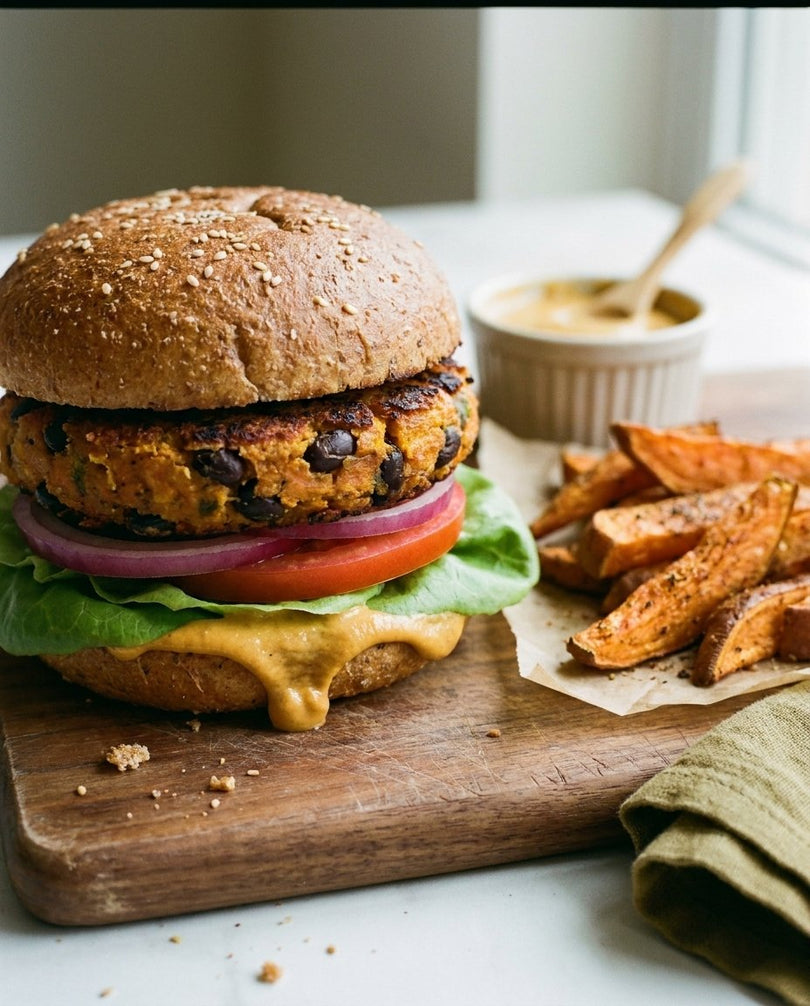
- Many soy-based meat substitutes and veggie burgers
- Packaged frozen meals and TV dinners
- Dips, dressings, and sauces in jars
- Many fast food seasonings and marinades
Some older brands of vegan meat analogs still contain HVP. Newer brands like Impossible Burger and Beyond Burger have moved away from it, which is encouraging. But plant-based doesn't automatically mean clean. You still have to read the label.
How to Avoid HVP: A Practical Checklist
If you want to get HVP out of your diet, here's a simple checklist to follow:
Choose whole foods first.
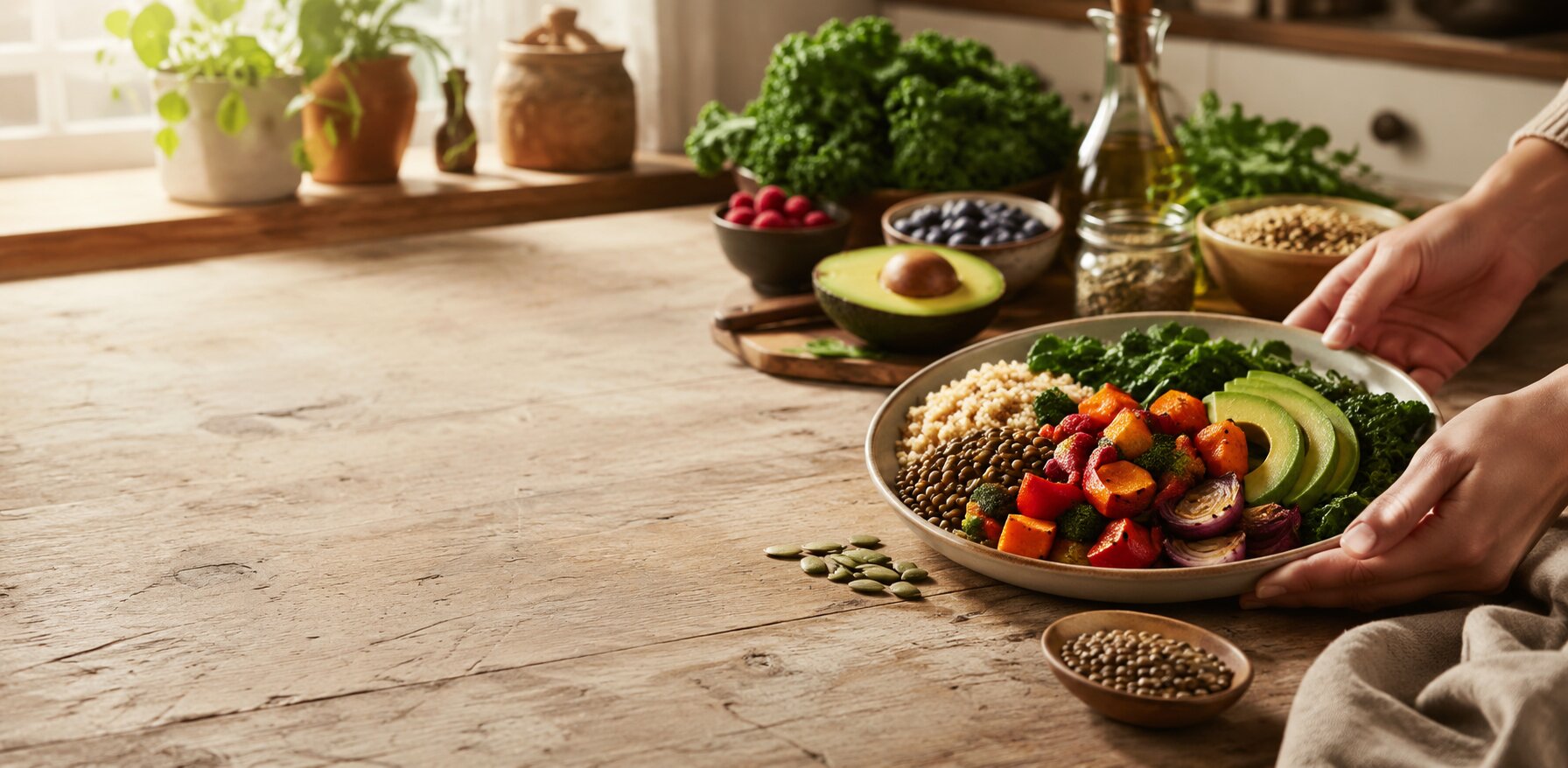
Fresh fruits, vegetables, legumes, whole grains, nuts, and seeds don't contain HVP, period. The closer you stay to whole foods, the less you have to worry about reading ingredient labels for hidden additives. If you're looking for a great place to start, check out our getting started meal plan or take our health quiz to find the right approach for your goals.
Read ingredient labels before buying anything packaged.
Look for "hydrolyzed vegetable protein," "hydrolyzed soy protein," "hydrolyzed corn protein," or "hydrolyzed wheat protein." The keyword is "hydrolyzed." If you see any of these, put it back.
Skip the Bragg's Liquid Aminos.
We know this is a popular one in health food circles. But Bragg's Liquid Aminos is produced using acid hydrolysis, the same process that generates 3-MCPD. If you want a soy-based condiment, choose a traditionally fermented soy sauce instead. Fermented soy sauce goes through a biological process, not a chemical one, and typically has nearly undetectable 3-MCPD levels.
Avoid the usual suspects.
Bouillon cubes, instant gravy packets, canned soups, ramen seasoning, and chip seasonings are where HVP hides most often. Make a habit of making your own stock and seasoning from scratch. It doesn't take long, and it tastes better.
Cook from scratch with real herbs and spices.
This is the biggest protection against HVP and every other additive you're worried about. Real garlic, real onion, cumin, turmeric, smoked paprika, ginger, and dozens of other herbs and spices give you more flavor than any factory-made umami additive. And none of them come with a 3-MCPD problem.
f you want a practical framework for building meals around real herbs, whole foods, and zero processed additives, our article How to Lose Weight on a Plant-Based Diet Without Counting Calories lays out the full structure.
Frequently Asked Questions
Is hydrolyzed vegetable protein safe to eat?
Regulatory agencies classify HVP as generally recognized as safe (GRAS) at typical intake levels. However, HVP made by acid hydrolysis contains 3-MCPD, a compound associated with kidney damage and potential cancer risk in animal studies. It also contains free glutamic acid at levels comparable to MSG. If you're health-conscious, avoiding HVP and choosing whole foods or traditionally fermented condiments is the straightforward answer.
Is hydrolyzed vegetable protein the same as MSG?
No. HVP is a complex mixture of amino acids that contains free glutamic acid (similar to MSG) alongside other compounds, including 3-MCPD when made by acid hydrolysis. Pure MSG is a single compound with a simpler risk profile. Both are worth avoiding, but HVP carries additional risks beyond MSG sensitivity.
What foods contain hydrolyzed vegetable protein?
HVP is most commonly found in bouillon cubes, instant gravy mixes, canned soups, ramen seasoning packets, chip seasonings, Bragg's Liquid Aminos, and many soy-based meat substitutes. It can also appear in frozen meals, dressings, and fast food seasonings. On labels, look for "hydrolyzed soy protein," "hydrolyzed corn protein," or "hydrolyzed wheat protein."
Is Bragg's Liquid Aminos safe?
Bragg's Liquid Aminos is produced by acid hydrolysis of soybeans, the same process that generates 3-MCPD in conventional HVP. It carries the same concerns. If you want a soy-based condiment, traditionally fermented soy sauce (made by microbial fermentation rather than acid hydrolysis) has nearly undetectable 3-MCPD levels and is the safer option.
Does hydrolyzed vegetable protein contain gluten?
It depends on the plant source. HVP made from wheat starts with a gluten-containing grain. The FDA has acknowledged that standard lab tests cannot reliably measure residual gluten in hydrolyzed foods. If a product is labeled gluten-free and contains hydrolyzed protein, the manufacturer must verify the protein source was gluten-free before processing (soy or corn, not wheat). If you have celiac disease or gluten sensitivity, look for "hydrolyzed soy protein" or "hydrolyzed corn protein" specifically and confirm the label carries a certified gluten-free seal.
Conclusion
Hydrolyzed vegetable protein has been a staple in processed foods for its flavor-enhancing qualities, but savvy consumers have steered clear of it because of MSG and, more recently, 3-MCPD. Many of us prefer common-sense ingredients, not chemicals added in a factory. While regulations have helped reduce 3-MCPD levels in foods, it's wise to still avoid HVP. By focusing on whole foods, choosing traditionally fermented soy sauce, reading labels to avoid packaged food with HVP in it, and cooking from scratch with real herbs for flavor, you can avoid all of the MSG, 3-MCPD, and any other yet-unknown detrimental compounds found in processed foods. And these choices will serve you well in maintaining your great health, so you can fulfill the mission God has given you to accomplish here on earth.