


High blood pressure is one of the most common health problems in America, and it is almost always treated with prescription medications. Those medications work, but they come with side effects, and many people would rather not take them for the rest of their lives.
There is a food, though, that has a surprisingly direct effect on blood pressure. You probably already know about it, because beets have gotten a lot of attention over the last decade. But the attention is deserved. Beet juice is one of the few foods that can produce a measurable drop in blood pressure in a matter of hours. It is not a drug, but it works through a real biological mechanism.
Here is what the science says about beets, nitric oxide, and blood pressure — and answers to 18 questions people ask most about using beets effectively.
How Beets Lower Blood Pressure: The Nitrate-Nitric Oxide Pathway
Beets are one of the richest dietary sources of nitrates. When you eat beets or drink beet juice, bacteria in your mouth convert those nitrates to nitrites. Your body then converts nitrites to nitric oxide (NO), a small gas molecule that signals the smooth muscle cells in your blood vessel walls to relax. When blood vessels relax and widen, blood flows more easily and pressure drops.
This pathway was established clearly in a 2008 study by Webb, Patel, Loukogeorgakis, and colleagues at University College London, published in Hypertension. Their team found that a single dose of dietary nitrate — equivalent to what is found in about 500 ml of beet juice — produced acute blood pressure reduction, antiplatelet effects, and vasoprotection within hours. That was a landmark paper. It showed that the nitrate-to-nitric oxide pathway is a genuine, pharmacologically meaningful mechanism, not just a theory.
Since then, the research has only gotten stronger.
What Clinical Trials Show About Beets and Blood Pressure
The key study most people cite is the 2015 randomized controlled trial by Kapil, Khambata, Robertson, Caulfield, and Ahluwalia at the William Harvey Research Institute in London, published in Hypertension. They gave hypertensive patients either 250 ml of beet juice daily for four weeks or a nitrate-depleted placebo. The beet juice group saw systolic blood pressure drop by about 8 mmHg and diastolic by about 4 mmHg. They also showed reduced arterial stiffness.
That is a clinically meaningful drop. For context, a 5 mmHg reduction in systolic blood pressure is associated with roughly a 10% reduction in stroke risk at the population level.
Drinking one glass of beet juice also lowered systolic blood pressure by 4 to 5 points on average in short-term trials, and daily beet juice over four weeks produced three positive results: reduced systolic and diastolic pressure, and reduced arterial stiffness.
9 Science-Backed Benefits of Beets
Beets do more than lower blood pressure. Here is a summary of the benefits that have the most clinical support:
|
Benefit |
What the Research Shows |
|
Lowers Blood Pressure |
Daily beet juice reduces systolic BP by 4-8 mmHg in clinical trials. Effects appear within 2-6 hours. |
|
Reduces Arterial Stiffness |
Four weeks of beet juice reduced arterial stiffness in the Kapil et al. 2015 trial. |
|
Improves Exercise Stamina |
Nitrates reduce the oxygen cost of exercise, allowing more work at the same effort level. |
|
Supports Muscle Function |
In one trial, beet juice improved muscle power output by 13% in patients with heart failure. |
|
Anti-Inflammatory |
Betalain pigments in beets have been documented to have anti-inflammatory properties. |
|
Liver Support |
Betaine in beets helps protect liver cells from oxidative and environmental stress. |
|
Gut Health |
One cup of beets provides 3.5 g of fiber, supporting beneficial gut bacteria. |
|
Brain Blood Flow |
Beet nitrates increase cerebral blood flow to the frontal lobes, the area involved in executive function. |
|
Nutrient Density |
Rich in folate (20% RDI per 3.5 oz), manganese (16%), potassium (9%), and vitamin C. |
Does Cooking Beets Destroy Nitric Oxide Benefits?
This is probably the most common question I get about beets, and it is a good one. The short answer is: cooking does reduce nitrate content, but cooked beets still have benefits.
Heat breaks down some of the nitrates in beets. Raw beets and raw beet juice will give you the highest nitrate dose. One cup of raw beets contains 400 to 500 mg of nitrates. Beet juice concentrates this further into a smaller serving. Roasted or boiled beets retain some nitrates, but the amount depends on cooking time and temperature.
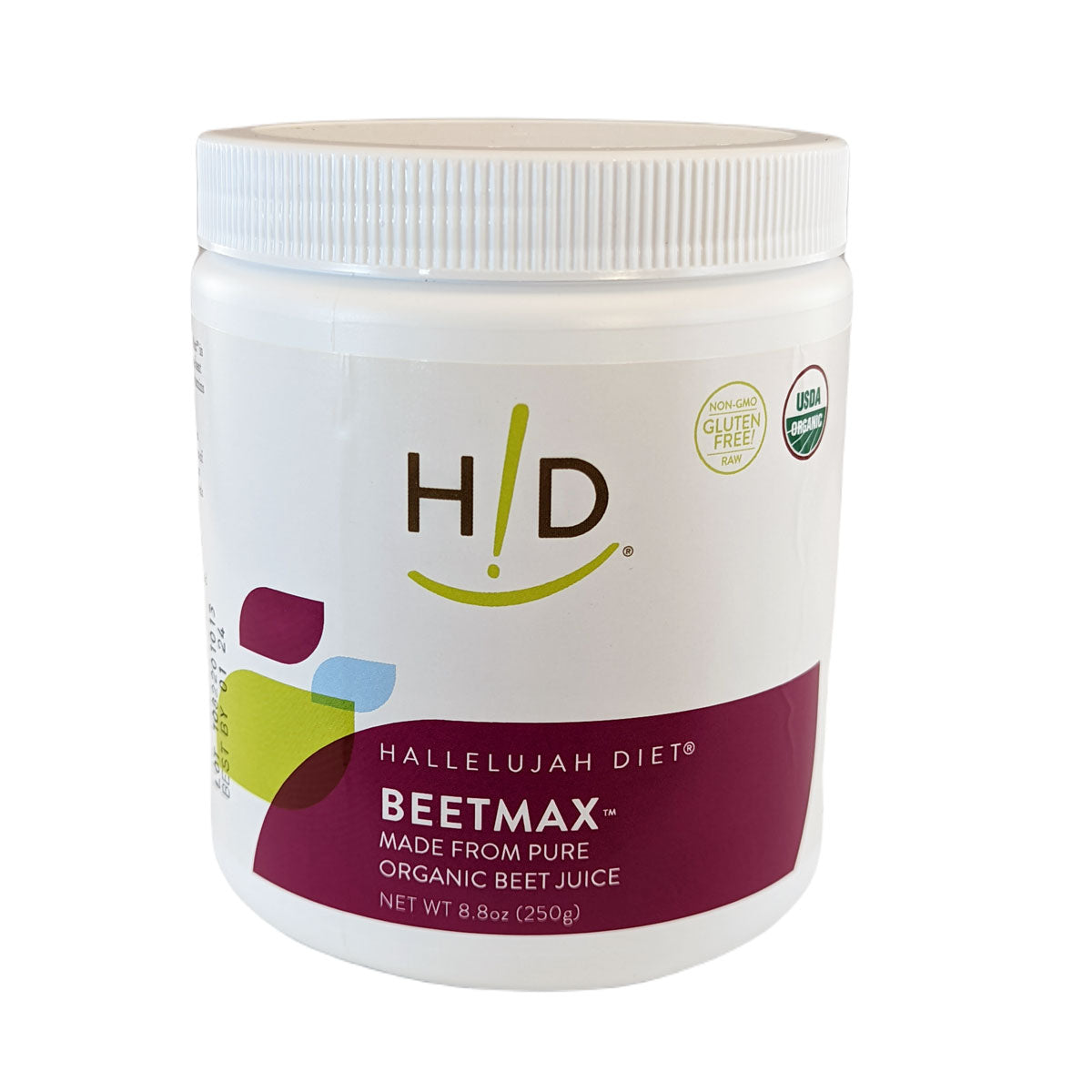
The practical takeaway is that if lowering blood pressure is your primary goal, raw juice or a concentrated beet juice powder (like BeetMax) delivers the most consistent nitrate dose. Cooked beets are still an excellent food, but they are less predictable for nitric oxide production.
A Note on Mouthwash: (It Applies to Capsules, Too)
There is one habit that quietly undermines the benefit of beets, and most people have no idea. Antibacterial mouthwash kills the oral bacteria that convert nitrates to nitrite in your saliva. No bacteria, no conversion, no nitric oxide boost.
What surprises most people is that this applies to BeetMax capsules just as much as it does to fresh beet juice or powder. The nitrate from capsules gets absorbed in the small intestine, enters the bloodstream, and is then concentrated and secreted back into your mouth through the salivary glands. Your oral bacteria convert it there, and you swallow it again. About 80% of your nitrite production runs through this enterosalivary loop. Mouthwash shuts that loop down regardless of what form the beets came in.
The practical takeaway is simple: do not use antibacterial mouthwash if you are relying on beets for blood pressure support. If you want to maintain good oral hygiene without disrupting the nitrate-nitric oxide pathway, consider using an organic tooth oil instead. Essential oils such as peppermint, spearmint, oregano, and tea tree help balance the oral microbiome rather than wiping it out.
Arugula Has Even More Nitrates Than Beets
Beets are famous for their nitrate content, and rightly so. But arugula is actually the highest-nitrate vegetable known, with concentrations reaching up to 7,000 mg per kilogram. Spinach comes in close behind, at roughly 70 to 200 mg per 100 grams, depending on growing conditions. We covered the full ranked list in our article on the top 10 vegetables to boost nitric oxide, which is worth reading alongside this one.
The most effective strategy for lowering blood pressure and increasing nitric oxide production is combining multiple high-nitrate vegetables in one meal. A salad with arugula, spinach, and raw beets delivers a synergistic nitrate dose that exceeds what any single vegetable can provide. Add a splash of lemon juice. Vitamin C helps preserve nitric oxide from breaking down too quickly.
18 Questions About Beets, Nitric Oxide, and Blood Pressure
Here are the questions that come up most often about using beets for blood pressure and heart health.
|
Question |
Answer |
|
How do beets lower blood pressure? |
Beet nitrates convert to nitrites in your mouth, then to nitric oxide in your body. Nitric oxide relaxes blood vessel walls, widening them and reducing pressure. |
|
Does cooking destroy the nitrates? |
Yes, partially. Raw beets and raw beet juice have the highest nitrate content. Cooked beets still provide some benefit, but are less consistent for blood pressure purposes. |
|
How long do the effects last? |
The nitric oxide boost peaks at about 2-6 hours after eating beets, and the blood pressure effect can persist for 6 to 24 hours, depending on the dose and your baseline levels. |
|
How much beet juice do I need? |
Most trials use 250-500 ml of beet juice daily. That is roughly 8 to 16 oz. A concentrated beet juice powder can deliver a similar nitrate dose in a smaller serving. |
|
Should I eat beets every day? |
Yes, if blood pressure management is your goal. The nitric oxide effect is temporary. Daily consumption maintains a steady nitrate supply, keeping blood pressure consistently lower. |
|
Does mouthwash affect the benefit? |
Yes, and this applies to capsules too, not just beet juice. Nitrate from any source is absorbed, concentrated in saliva, and converted to nitrite by oral bacteria — then swallowed again. Antibacterial mouthwash kills those bacteria and blocks the conversion regardless of how you consumed the beets. |
|
Can beets combine with flaxseeds for blood pressure? |
Yes. Flaxseeds lower blood pressure through a different mechanism — omega-3 fats, fiber, and lignans. Combining them produces an additive benefit. Studies show flaxseeds can drop blood pressure by 10 to 15 points in hypertensive patients. |
|
What about beet powder vs. fresh beets? |
A low-temperature-dried beet juice powder (like BeetMax) retains nitrates, enzymes, and betalains effectively. It is a convenient, consistent alternative to juicing fresh beets daily. |
|
Are beets safe for people on blood pressure medications? |
Beets can further lower blood pressure and may enhance the effects of your medications. Talk to your doctor, especially if you are on medications like ACE inhibitors or diuretics. |
|
Can beets replace blood pressure medication? |
Beets are not a medication replacement. They are a supportive dietary tool. Significant hypertension requires medical oversight. That said, a whole-foods plant-based diet has lowered blood pressure enough in some patients that their doctors reduced or eliminated medications. |
|
Is it true antibiotics reduce the benefit? |
Antibiotics disrupt both oral and gut bacteria alike, reducing the nitrate-to-nitrite conversion step. The benefit from beets is diminished while taking antibiotics. |
|
Do beet capsules or tablets work? |
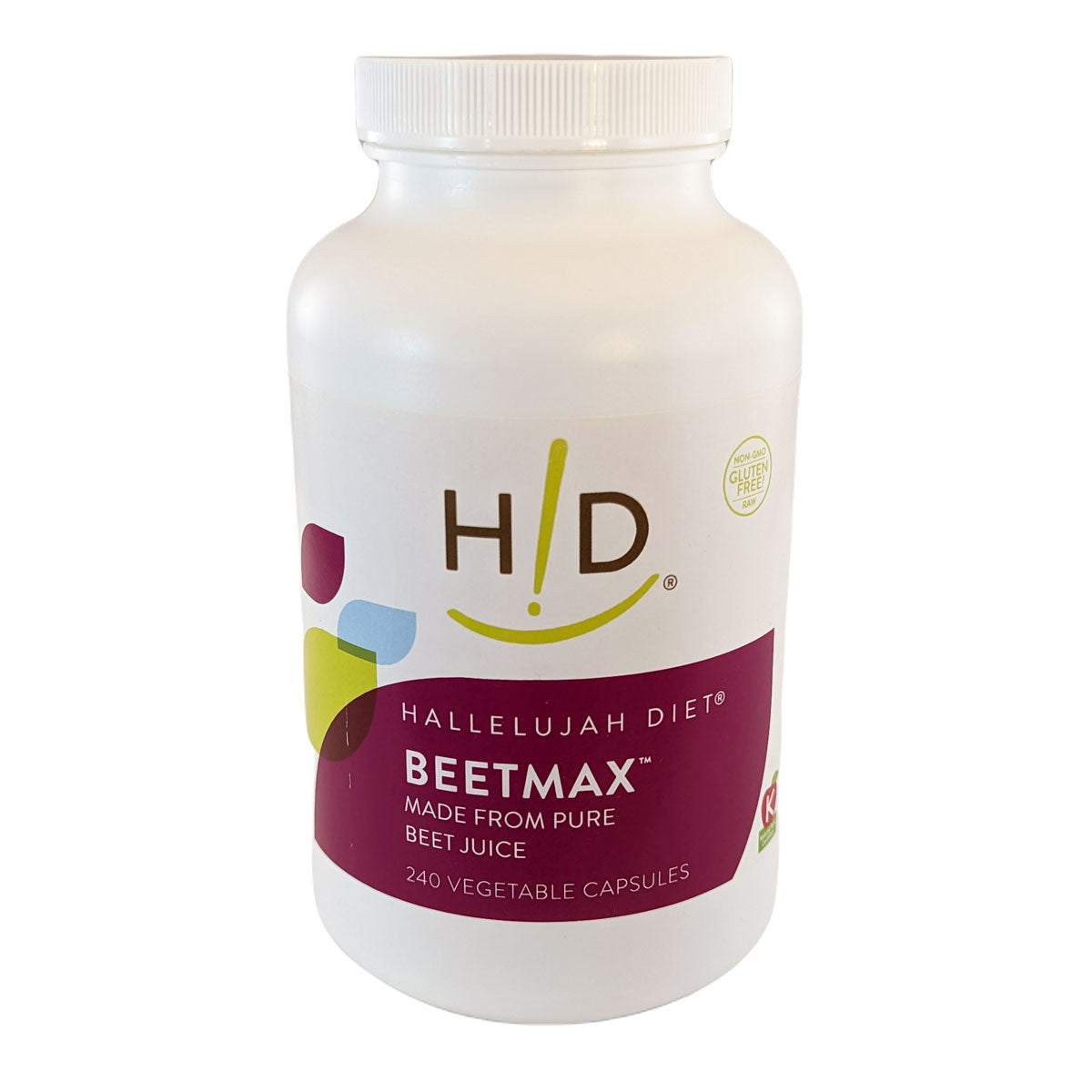
Yes. The nitrate in capsules is absorbed in the small intestine and recirculated through the salivary glands, where oral bacteria convert it to nitrite — the same pathway as drinking beet juice. BeetMax capsules contain concentrated beet juice powder and deliver a reliable, convenient nitrate dose. Just avoid antibacterial mouthwash. |
|
Are beets safe for people with kidney disease? |
Beets are high in oxalates and should be limited or avoided by people with a history of calcium oxalate kidney stones. Those with kidney disease should consult their doctor before regularly using beet products. |
|
Can beets cause red urine or stool? |
Yes. Beeturia — red or pink urine after eating beets — is harmless and occurs in about 10-14% of people. It is related to how you metabolize betalain pigments, not blood in the urine. |
|
Does beet juice benefit athletes? |
Yes. The nitrate-driven reduction in oxygen cost during exercise is well-documented. Athletes who supplement with beet juice before competition show improved time-to-exhaustion and power output at moderate intensity. |
|
What other vegetables are high in nitrates? |
Arugula is the highest-nitrate vegetable, followed by spinach, Swiss chard, celery, and cress. Combining these with beets multiplies the nitric oxide effect. |
|
Does vitamin C help nitric oxide last longer? |
Yes. Vitamin C is an antioxidant that helps protect nitric oxide from oxidation, extending its active window. Squeezing lemon over a beet-spinach salad is genuinely useful, not just tasty. |
|
How quickly can I expect to see a blood pressure change? |
Acute effects appear within 2-6 hours of a single dose. Sustained daily use has been shown to reduce blood pressure in clinical trials within 1-4 weeks. |
How to Use Beets for Blood Pressure Every Day
For blood pressure purposes, consistency matters more than the occasional big dose. Here are the most practical ways to build beets into a daily routine:
-
Fresh beet juice: Juice 2 to 3 medium beets with a juicer. Drink 8 to 16 oz. Combine with carrots, apples, ginger, or spinach for variety. This is the gold standard in most clinical trials.
-
Beet juice powder (BeetMax): A concentrated organic beet juice powder, dried at low temperature to preserve nitrates and living enzymes. Stir it into water, juice, or a smoothie. Many people combine it with BarleyMax as part of their morning routine.
-
Raw, grated beets on salads: Adds crunch, color, and a meaningful dose of nitrate. Particularly effective when combined with arugula and spinach.
-
Roasted beets: Lower nitrate content than raw, but still nutritious and easy to batch-cook for the week. Good for those who find raw beet juice too strong.
-
BeetMax capsules: For convenience when travel or your schedule makes juicing impractical. Consistent dose in a compact form.
One practical note: the timing matters somewhat. If you are using beets to help with exercise performance or a stressful day, consuming them 2 to 3 hours beforehand puts you at the peak of nitric oxide activity.
A Hallelujah Diet Perspective
At Hallelujah Diet, beets have been part of our recommended juicing program for a long time. We have quite a few juice recipes that include beets. CarrotJuiceMax and BeetMax both have a deep clinical rationale behind them. We have used beet juice with people managing cardiovascular disease, and the response is usually positive — improved energy, lower blood pressure readings, and better exercise tolerance.
But I want to be straightforward about something. Beets are a powerful tool, and they work through a real mechanism. They are not, however, a substitute for a comprehensive approach to cardiovascular health. If you are eating processed food, not sleeping, under chronic stress, and sedentary, adding beet juice will not fix the underlying problem.
The foods that come off your plate every day are writing instructions for your blood vessels. A whole-foods, plant-based diet rich in vegetables, legumes, fruits, nuts, seeds, and whole grains is the foundation. Beets are one of its best tools. Use them consistently, as part of that broader pattern, and the results compound.
God designed the human body with a remarkable self-healing capacity. Our job is to supply the right materials and get out of the way. Beets, it turns out, are one of those materials.
The Bottom Line
Beets lower blood pressure through a well-established biological mechanism. They are rich in nitrates, which convert to nitric oxide, which relaxes blood vessels. Clinical trials show 4 to 8 mmHg reductions in systolic blood pressure from daily beet juice use. They also improve exercise stamina, reduce arterial stiffness, and contribute anti-inflammatory betalains and important micronutrients.
Use beets consistently. Raw juice or beet juice powder delivers the most reliable nitrate dose. Pair them with other high-nitrate vegetables like arugula and spinach for maximum effect. Mouthwash kills the oral bacteria that convert nitrate to nitrite, so consider organic tooth oil as a better alternative. And to truly address all the drivers of cardiovascular disease, consider adopting a whole-foods plant-based diet, improving your sleep, moving more, and implementing stress-reduction techniques.
Not sure where to start? Consider our 60 days to regain your health program, or look at our Get Started resources.
As always, consult your physician before making significant dietary changes, especially if you are currently managing hypertension or taking blood pressure medications.
References
1. Webb AJ, Patel N, Loukogeorgakis S, Okorie M, Aboud Z, Misra S, et al. Acute blood pressure lowering, vasoprotective, and antiplatelet properties of dietary nitrate via bioconversion to nitrite. Hypertension. 2008;51(3):784-90. https://doi.org/10.1161/HYPERTENSIONAHA.107.103523
2. Kapil V, Khambata RS, Robertson A, Caulfield MJ, Ahluwalia A. Dietary nitrate provides sustained blood pressure lowering in hypertensive patients: a randomized, phase 2, double-blind, placebo-controlled study. Hypertension. 2015;65(2):320-7. https://doi.org/10.1161/HYPERTENSIONAHA.114.04675
3. Coggan AR, Leibowitz JL, Kadkhodayan A, Thomas DP, Sheehan SM, Haist NF, et al. Effect of acute dietary nitrate intake on maximal knee extensor speed and power in healthy men and women. Nitric Oxide. 2015;48:16-21. https://doi.org/10.1016/j.niox.2014.08.014
4. Larsen FJ, Weitzberg E, Lundberg JO, Ekblom B. Effects of dietary nitrate on oxygen cost during exercise. Acta Physiol. 2007;191(1):59-66. https://doi.org/10.1111/j.1748-1716.2007.01713.x