




There has been a lot of discussion about the new 2025-2030 Dietary Guidelines for Americans. It seems like everyone has an opinion. Here, I want to share what cardiologists think about the dietary guidelines.
There are many good things about the dietary guidelines. The emphasis on eating real foods, while eliminating ultra-processed foods, added sugars, and refined grains, is a really good thing. I warned that Americans might lean too much on animal products and find yet another way to eat badly, in line with some of the recommendations in the dietary guidelines. It turns out that cardiologists are saying the same thing as well. So let's dig in.
Strengths in the Guidelines
There are strengths in the guidelines:
- Eat real foods (the biggest strength of all)
- Eating whole grains
- Limiting saturated fats to under 10% of daily calories
- Limiting sodium to less than 2300 mg a day
- Limiting sugar-sweetened beverages
- Increasing fruit and vegetable intake to 5 servings a day (still not enough)
These are all very good guidelines and will help reduce diabetes, cancer, and cardiovascular deaths. Following these guidelines would make Americans much healthier than they are now.
Key Criticisms from Cardiologists
There are some things that are particularly bothersome to heart experts, especially the emphasis on animal protein and saturated fat intake.
Protein Emphasis
In a recent expert analysis article, a group of cardiologists had this to say about the emphasis on animal proteins:
Because plant proteins like beans, peas and lentils, and nuts and soy, as well as seafood and dairy sources, have demonstrated greater health benefits than red and processed meats, and the latter have also been linked to gut dysbiosis, inflammation, diabetes mellitus and several cancers, plant protein sources should be emphasized to patients.
So the cardiologists still like plant proteins and seafood. It is their expert opinion that they should still be emphasized over red meat.
Fats and Saturated Fat Promotion
I've talked previously about butter and how it really isn't back, and it's never been proven to be better for you. It was just not worse than sugar and white bread. The Cardiologists understand this as well. Here is their comment on butter and beef tallow:
In short, evidence from feeding trials and/or cohort studies does not support promotion of butter or beef tallow. Moreover, if the newly recommended servings of animal protein foods (e.g., meats and whole-fat dairy) and proposed "healthy fats" (e.g., butter and beef tallow) are incorporated into the diet, saturated fat intake will exceed 10% of daily calories.
So if you actually follow the guidelines and eat more red meat and butter. and whole-fat dairy, you will not be able to limit your saturated fat to less than 10% of your calories. And they say that's a problem and will cause more deaths. The dietary guidelines conflict with each other in their advice.
Nuts and seeds have consistently been shown to be beneficial for cardiovascular health, and a 1-2-ounce serving of nuts and seeds may be at least as important as eating more fruits and vegetables.
Dr. Peter McCullough’s Comments
The prominent cardiologist, Dr. Peter McCullough, was recently interviewed and made some additional comments. He describes the "straight line relationship" between animal-derived saturated fats and cholesterol production in the liver. He would say that the advice to "eat sticks of butter" is not based on accurate science, but confirmation bias.
He says sugar, starch, and saturated fat, the three S's, are the top drivers of obesity, diabetes, and cardiovascular disease risk. So if you took out the steak, the butter, and whole milk and put seafood in there, he would be on board with that.
Now, you don't have to agree with everything Dr. Peter McCullough says, but he is very studious and honest about the scientific literature and the evidence supporting his statements. So I trust his judgment more than a YouTube influencer following a ketogenic diet.
Ultimately, the American College of Cardiologists emphasizes unprocessed, nutrient-rich plant foods for better heart health. These are the foods central to vegetarian, whole-food, plant-based, Mediterranean, and DASH diets.
A Better Visual Guide: Harvard's Healthy Eating Plate
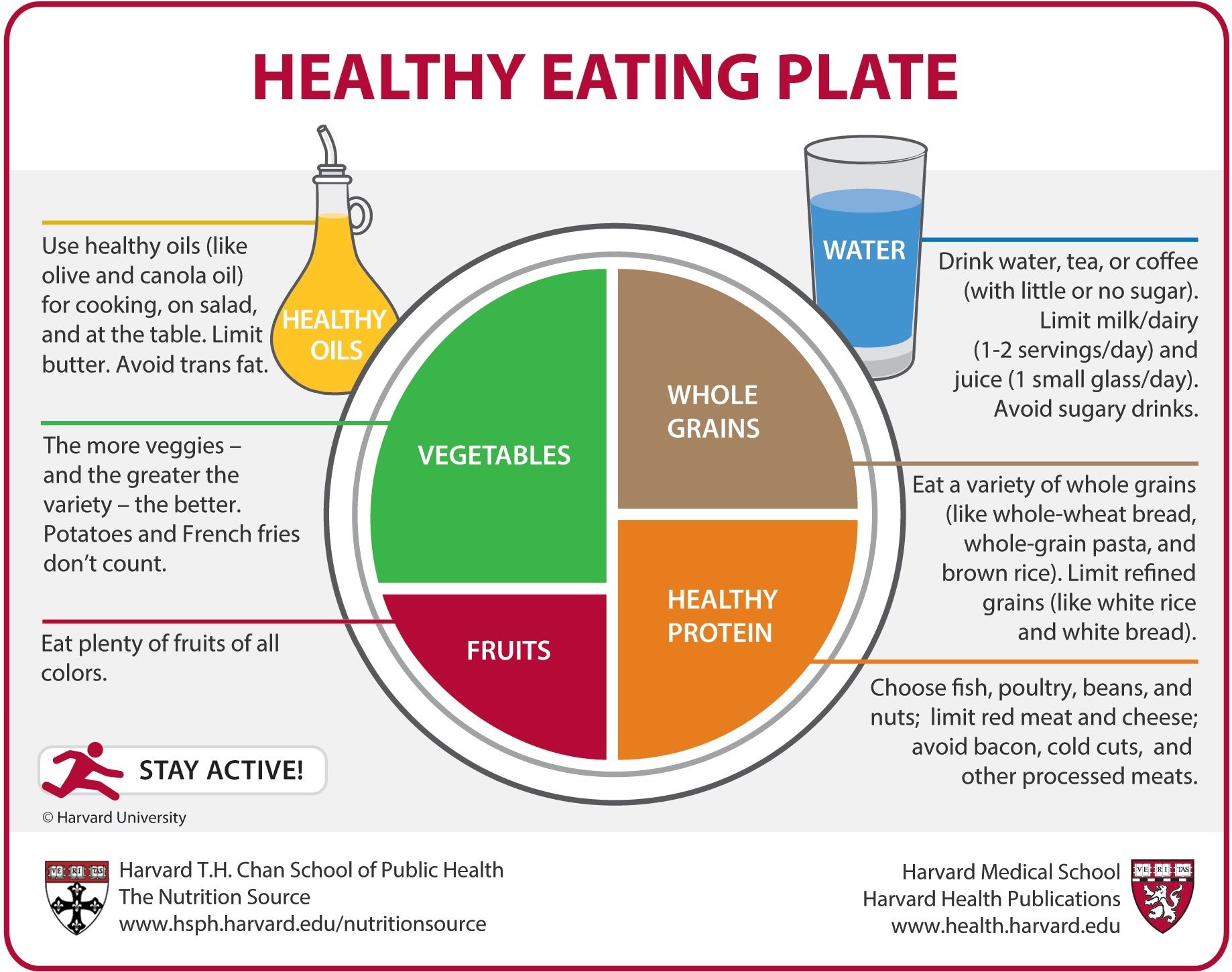
The Harvard T.H. Chan School of Public Health has a Healthy Eating Plate that is very similar to the MyPlate graphic from 2011, but without the glass of dairy beside the plate. The plate concept is very useful for many people.
Here is their advice:
- Eat a variety of whole grains; limit refined grains.
- Choose fish, poultry, beans, and nuts; limit red meat and cheese; avoid processed meat (bacon and cold cuts).
- Eat plenty of fruits of all colors.
- Eat a wide variety of vegetables in large quantities.
- Use healthy oils (olive and canola) for cooking and on salads; limit butter.
- Drink water, tea, or coffee with little or no sugar.
- Limit dairy, milk, and juice; avoid sugary drinks.
- Stay active.

How This Fits with Hallelujah Diet Principles
Do we agree exactly with the cardiologists? Not completely, but their perspective does strengthen the case for a whole-food, plant-based diet.
The guidelines do downplay power foods like berries, flax seeds, dark leafy greens, and vegetable juices. But they hit the main points pretty well. The guidelines are fairly general after all.
What I wrote previously about butter never really being back is still true. A small amount is fine, but the advice to eat sticks of butter is unfounded. And cardiologists still agree. In fact, they never changed their mind.
So don't be confused about the new dietary guidelines. The emphasis on red meat, whole-fat dairy, and cheese is not based on sound science for your heart.
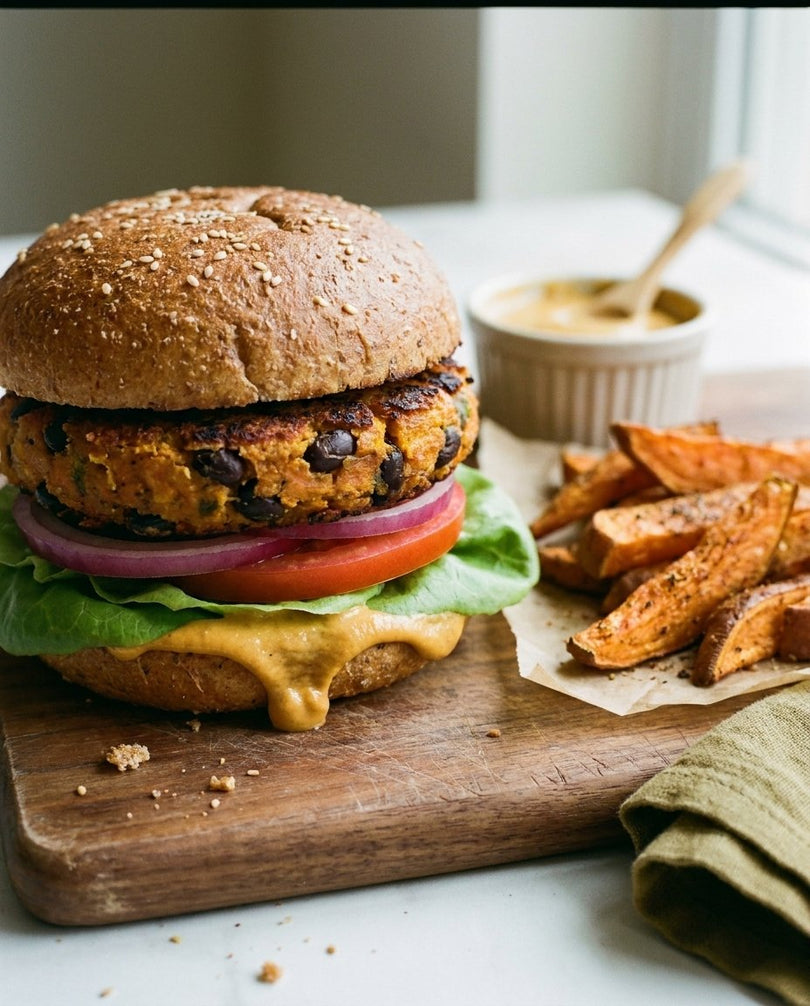
Eating real foods and getting rid of ultra-processed foods are a great thing—and we applaud them for that. But don't replace your snack crackers with beef jerky and steak. And certainly not with a big burger like the one in the photo above.


3 comments
Beverly Benner
Thank you…so very much… appreciate these comments and corrections.
Thank you…so very much… appreciate these comments and corrections.
Normand Lepage
I have been eating vegan(except for fish 1 day a week) for about 25-30 years. I drink your beet, barley and carrot powder juice 2 times a day. A few years ago my doctor at that time said you test 10 years younger then you are.
I have been eating vegan(except for fish 1 day a week) for about 25-30 years. I drink your beet, barley and carrot powder juice 2 times a day. A few years ago my doctor at that time said you test 10 years younger then you are.
Central Virginian
Thanks for this accurate and helpful information.
Thanks for this accurate and helpful information.