
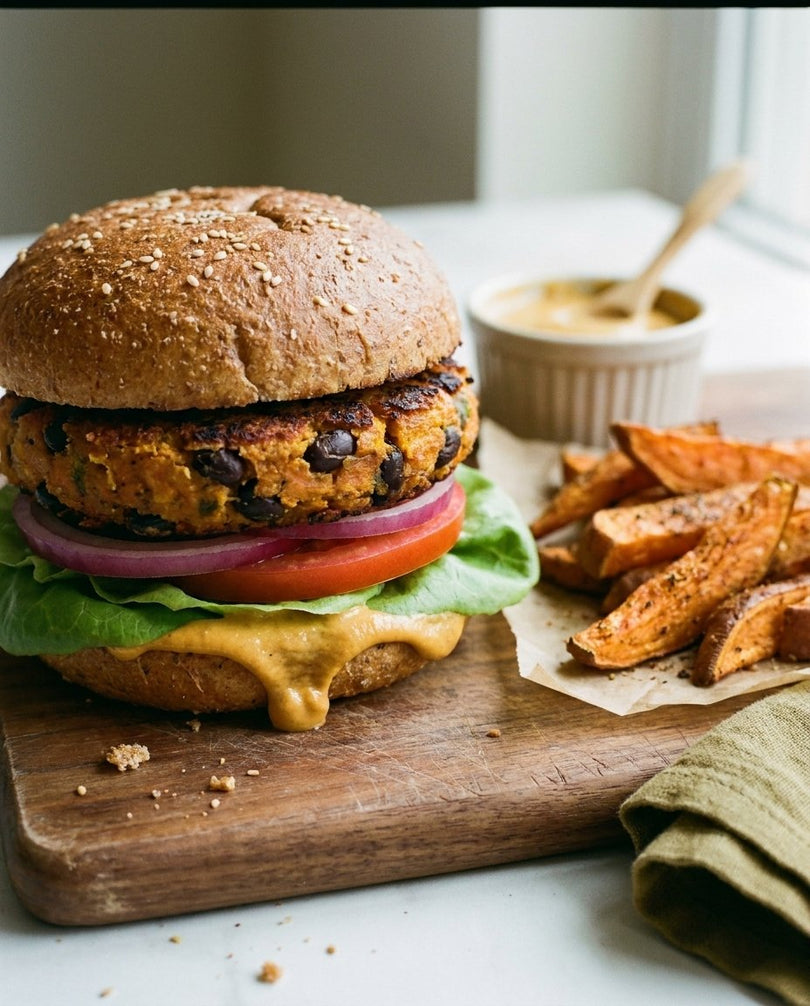



The new 2025-2030 dietary guidelines released recently put all grains at the bottom, small tip of the pyramid. The food pyramid has been flipped, and now protein, red meat, and full-fat dairy are on the base of the pyramid. All grains have been relegated to a back seat, and a a very small one at that.
As I mentioned in another blog, this is likely just another way to eat badly. This is because not all grains are created equal. We have misdiagnosed the problem of what's wrong with the American diet, and have prescribed the wrong solution. In this blog, we're going to talk about the power of intact whole grains, and their benefits for you. If we as Americans ate most of our grains as intact whole grains, rather than 87% of our carbohydrates as refined carbohydrates, we would be in great shape health-wise as a country.
What Are Intact Whole Grains
So, let's talk about intact whole grains. “What are those?” you ask.
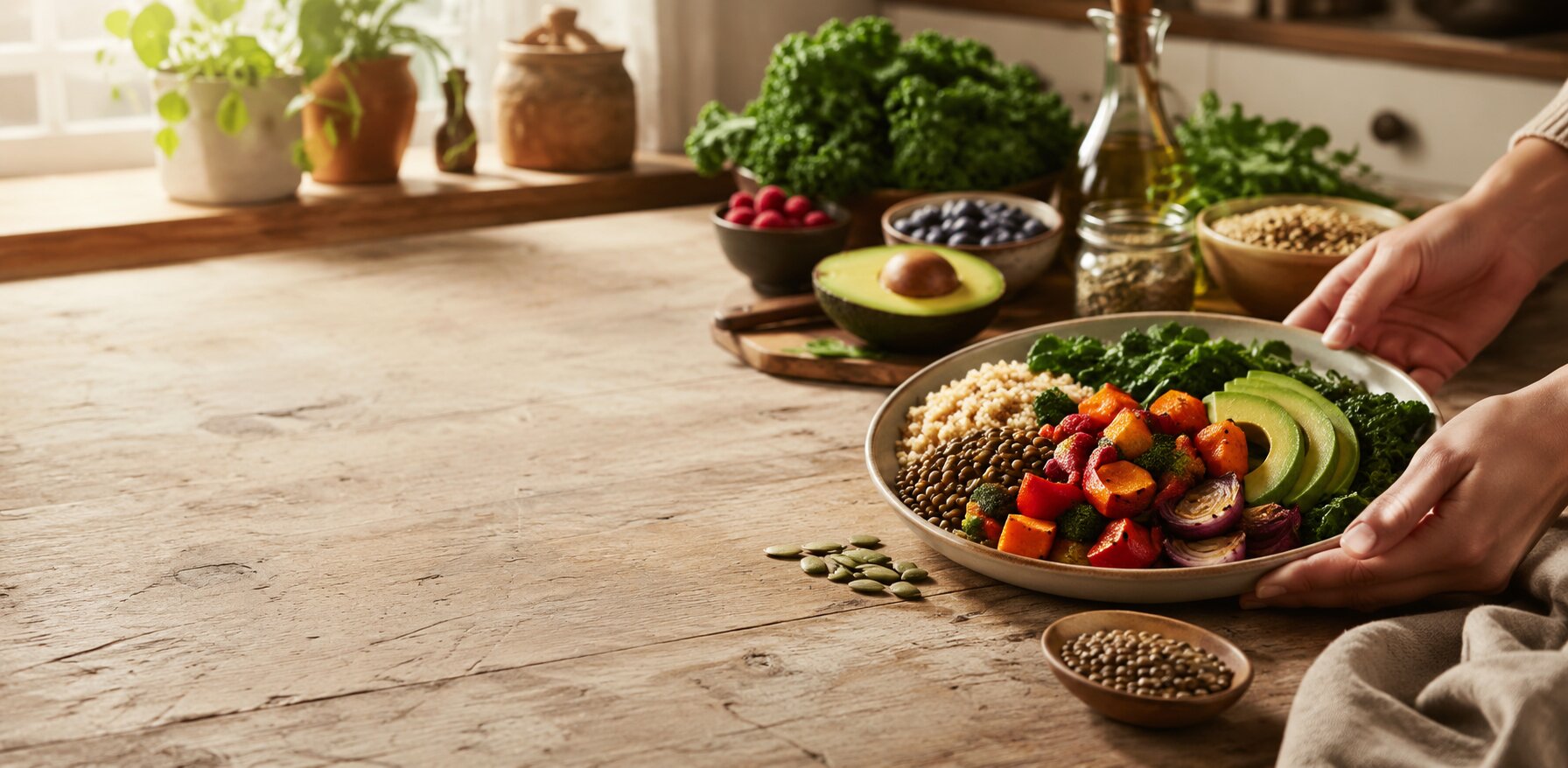
Intact whole grains are minimally processed. And they are just that. Still intact. Think steel-cut oats. Or even rolled oats (they are close). Or pearled barley, brown rice, wild rice, quinoa, or millet. And what about wheat berries? Ever had cereal that was just cooked wheat berries? I have, but it isn’t my favorite. And it has been years since I’ve had it, so that tells you something about its popularity around our house.
But, if you’re trying to keep your blood sugar in control, or you have type 2 diabetes, you might want to swap out some of your finely milled grains for intact whole grains. Foods like muesli, granola, and oatmeal. It could really help you with glycemic control and satiety. Unlike ultraprocessed foods that tend to spike your blood sugar quickly, intact whole grains preserve their natural structure. They digest more slowly, which leads to steadier glucose levels.
Below are results from four studies showing how this simple shift enhances insulin responses and boosts satiety hormones like GLP-1, helping you feel full longer, have fewer cravings, and keep your blood sugar under control for most of the day. It doesn’t take much change to make this happen.
Research Studies For Intact Whole Grains
Here are a few research studies that back up this idea. In a 2017 crossover trial by Eelderink and colleagues, healthy men ate wheat breads with varying particle sizes of wheat. The larger kernels didn’t alter glucose kinetics, but they did significantly lower GLP-1 responses (which is kind of the opposite of what we would expect). The size of the particles in the bread does make a difference beyond just glycemic control. The denseness of the bread, not just particle size, matters. Pasta generally is digested more slowly than bread for this reason.
In a 2025 study by Kanata and colleagues, healthy adults who ate breads containing large chickpea flour particles had reduced postprandial glucose spikes, elevated GLP-1, and improved satiety compared to finer versions. This bread was denser and heavier compared to what people usually expect in bread. But it did help with satiety. I’m not sure why the first study found lower GLP-1 responses, rather than higher as seen in this study. A higher response indicates feeling full longer and being satiated (satisfied) longer.
In 2020, Reynolds and colleagues tested four whole-grain breads in type 2 diabetes patients with varying flour particle sizes. They found that the larger particle sizes were inversely related to lower glycemic excursions. So, this result is what we might expect, but we didn’t always see it in the other studies.
A second study here from 2020 by Åberg and colleagues reported on a two-week randomized crossover design in which T2D adults who ate less processed grains cut their post-meal glucose by 6-9 percent as well as glucose variability. It even helped them lose a little bit of weight. The difference in glycemic control wasn’t much, but the weight loss was encouraging.
The Bottom Line: Eat More Intact Whole Grains
The new dietary guidelines are missing a great opportunity to point Americans in the right direction. Intact whole grains are a winner for people's health. You might want to try incorporating some intact whole grains into your diet (whether it’s cracked wheat, rolled oats, wild rice, quinoa, or pearl barley), and your blood sugar and appetite will probably thank you.