



You spend real money on supplements because your health matters to you. You read the labels. You research ingredients. You're trying to do the right thing for your body. So imagine spending that money, taking those capsules every day, and getting nothing. Or worse, getting something harmful. That's the counterfeit supplement problem. And it's bigger than most people think. Let me explain what's going on and what you can do about it.
The Supplement Market Opened Wide in 1994
The Dietary Supplement Health and Education Act of 1994 (DSHEA) created a wide-open market for vitamins, minerals, herbal extracts, homeopathic remedies, and thousands of other supplement categories. By 2023, more than 100,000 supplement products were on the market. That's good news for consumers who want natural options without relying heavily on drugs. But a wide-open market attracts counterfeiters. And as supplement sales shifted online, the opportunities for fakes multiplied dramatically.
I haven't personally encountered a counterfeit supplement, but the data shows they're out there. This article walks you through what counterfeits actually are, what they can do to you, how to spot them, and exactly how to avoid them.
What Is a Counterfeit Supplement?
A counterfeit supplement is an illegal imitation of a real brand. The packaging is designed to look identical, right down to the logo, font, and wording. But what's inside is a different story entirely.
It's worth knowing the difference between two types of fakes, because they cause different problems:
Counterfeit supplements replace the real product with something cheaper. The active ingredients may be partially or completely missing, replaced by fillers like rice flour or powdered starch. You're paying for something that does nothing.
Tainted or fraudulent supplements are the more dangerous category. These products contain hidden pharmaceutical drugs or banned substances not listed on the label. For sexual enhancement and weight loss products, the most common hidden drugs found by the FDA are sildenafil (the active ingredient in Viagra) and sibutramine, a withdrawn weight-loss drug with cardiovascular risks.
Both types share the same packaging tricks: swiped brand logos, copied label wording, near-identical bottles. The lids might have a slightly different texture or color. Fonts may look off. Lot numbers may be missing. Tamper-evident seals may be absent or fake.
How Common Is This Problem?
More common than you'd think. A 2022 study published in Nutrients examined 30 immune-support supplements sold on Amazon. Thirteen of them were missing at least one labeled ingredient. That's nearly half. In a facility following FDA current Good Manufacturing Practices (cGMPs), that should never happen.
In 2023, NOW Foods identified 11 counterfeit versions of their products on Amazon, including psyllium husk and magnesium citrate, all sold by a single fraudulent seller (A2X1). Fungi Perfecti discovered 23 fraudulent storefronts selling fake Host Defense mushroom products. Some of the counterfeits tested positive for soy and gluten, two allergens that are never in the authentic products.
In late 2024, counterfeit versions of TruNiagen (a nicotinamide riboside supplement) were found on Amazon, containing virtually none of the active ingredient. By September 2025, fake versions of Neuriva, Immuno 150, and Transparent Lab Creatine HMB were turning up on Walmart.com, identifiable by misspelled words and prices significantly below normal retail.
The FDA maintains a Health Fraud Product Database where you can look up products that have already been flagged. That's a good first resource when you're evaluating something unfamiliar.
What Can Counterfeit Supplements Do to You?
The consequences fall into a few categories.
You waste money and delay real results. A supplement packed with rice flour does nothing for your health. You may think the real product doesn't work, when in fact you never tried the real product. That delays the help you were looking for.
You get sick from hidden ingredients. Undeclared pharmaceutical drugs, heavy metals, allergens, mold, and antibiotic-resistant bacteria have all been found in fraudulent supplements. Health consequences can include allergic reactions, nausea, heart problems, liver damage, and kidney damage.
You have a severe allergic reaction. If you're buying a vegan or allergen-free supplement and the counterfeit contains shellfish, soy, or gluten, the results can be serious. Fungi Perfecti's counterfeit case involved exactly this scenario.
Your First Line of Defense: Third-Party Certifications
Here's the thing the supplement industry doesn't advertise loudly enough. The FDA does not pre-approve dietary supplements before they go to market. What's on the label is not automatically what's in the bottle. That's why third-party verification matters so much.
Three independent organizations test supplement products for label accuracy, ingredient identity, potency, purity, and the absence of harmful contaminants. Look for their seals:
USP (U.S. Pharmacopeial Convention): The USP Verified mark means the product was tested for what's on the label, in the stated amounts, and that the manufacturing facility was audited. Note that phrases like "meets USP standards" or "USP grade" on a label do not mean the same thing as the official circular USP Verified mark.
NSF International: NSF tests products against its own American National Standard for Dietary Supplements (NSF/ANSI 173), verifying ingredients, testing for contaminants, and auditing facilities. Their NSF Certified for Sport program goes further, testing for hundreds of banned athletic substances.
ConsumerLab: The oldest independent supplement certification program, founded in 1999. ConsumerLab buys products off store shelves and tests them independently. Their results are published in a searchable online database.
One important caution: a photo of a certification seal on packaging can be faked. Always verify the product directly in the certifier's online database using the product name and lot number. That's the only confirmation that matters.
How to Spot a Counterfeit Supplement
Even without certification seals, you can check for red flags before you open the bottle.
Check the packaging carefully. Look for misspellings, unfamiliar fonts, missing lot numbers, or absent tamper-evident seals. Compare the packaging to images on the brand's official website. If anything looks slightly off, that's important information.
Check the price. Quality ingredients have a real cost. If a premium supplement is listed at 30 to 40 percent below its normal retail price, that's a serious red flag. Counterfeiters lure buyers with deals that look too good to pass up. They usually are.
Inspect the product itself. Capsules or tablets with unusual colors, irregular sizes, or an off smell should raise concern. A bad aftertaste or unusual texture after opening a bottle is worth paying attention to.
Look for a U.S. address and phone number. A legitimate supplement company will have contact information you can actually use. Missing or vague contact details are a red flag for fraudulent operations.
Check for exaggerated claims. Products that promise to cure serious diseases or deliver dramatic results in days are almost always fraudulent. The FDA restricts what supplement labels can legally claim, and legitimate brands follow those rules.
Where to Buy Supplements Safely
The single best move you can make is to buy directly from the brand. Every legitimate brand has a website. Buy from that website, or from authorized distributors listed on their "Where to Buy" page.
If you're buying on Amazon, check two things before you click. First, confirm the listing shows "Sold by [Brand Name]" and "Ships from Amazon." Third-party sellers on Amazon share inventory in warehouses, which means a legitimate product and a counterfeit can be stored together and mixed in fulfillment. Second, look for the brand's use of an Amazon FN-SKU (Fulfillment Network SKU), a brand-specific tracking number that keeps their inventory separate from other sellers.
Amazon has worked to address this problem. Their Brand Registry (launched 2016), Project Zero (launched 2019), and requirements for certificates of analysis and letters of guarantee from supplement brands (required since 2020) are all meaningful steps. But counterfeiters adapt and reappear under new seller names. Ongoing vigilance is required.
Retailers like iHerb and Vitacost require brands to submit certificates of analysis and work directly with manufacturers, making them safer options than open marketplaces.
If you receive a supplement you suspect is counterfeit, don't use it. Request a refund, report it to the FDA's Health Fraud division through their Safety Reporting Portal, and leave a review that describes the problem so other buyers are warned.
A Word About Hallelujah Diet Products
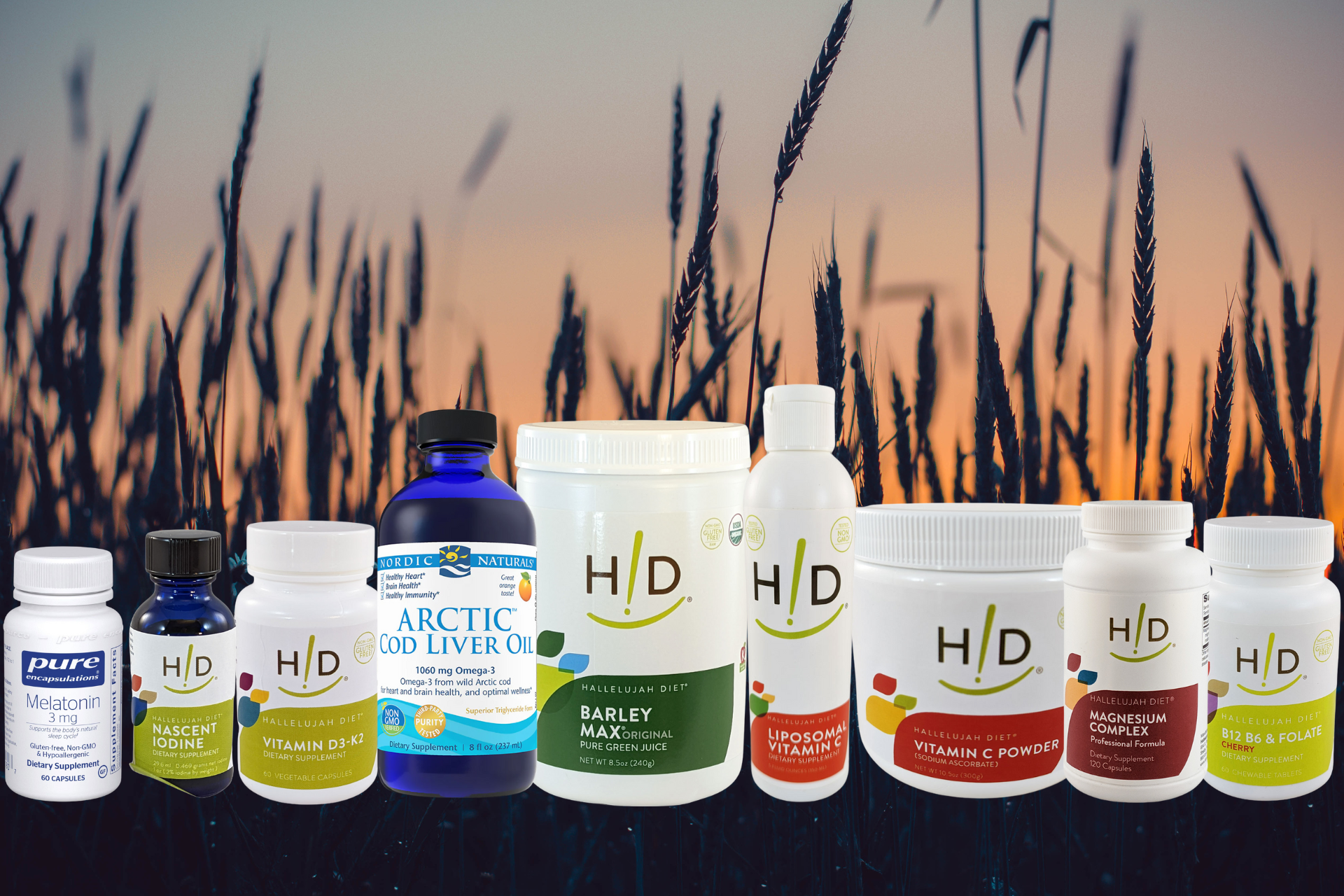
At Hallelujah Diet, our products are manufactured in cGMP-compliant facilities, and our formulations are built on whole-food nutrition and evidence-based ingredients. When you order directly from myhdiet.com, you know exactly what you're getting. No third-party sellers, no commingled inventory, no guessing.
BarleyMax, Professional Strength Probiotics, B-Flax-D, and our full line of supplements are available directly through our store. Buy from us directly, and you'll never have to wonder.
Frequently Asked Questions
How do I know if a supplement I already bought is counterfeit?
Compare the packaging closely to images on the brand's official website. Check for misspellings, missing lot numbers, and tamper seal issues. If the product smells unusual or the capsules look different than before, contact the brand directly. They have quality control teams trained for exactly these questions.
Are supplements on Amazon safe to buy?
They can be, but only if the listing shows the brand itself as the seller, or if the brand uses FN-SKU tracking that keeps their inventory separate. Avoid buying supplements from third-party Amazon sellers, especially if the price is well below normal.
What does "third-party tested" actually mean?
On its own, "third-party tested" is unregulated language that anyone can use. What matters is which organization did the testing, what they actually tested for, and whether you can verify it. Look for the USP Verified, NSF Certified, or ConsumerLab seals, and confirm the product in those organizations' public databases.
Should I report a counterfeit supplement?
Yes. Report it to the FDA through their Safety Reporting Portal at fda.gov. Also notify the retailer and leave a review. Consumer reports help the FDA take action and warn other buyers.
The Bottom Line
Nobody wants to be taken by a counterfeit. The good news is that a few simple habits protect you almost completely. Buy directly from brand websites or reputable authorized retailers. Look for USP, NSF, or ConsumerLab certification seals and verify them in the certifier's database. On Amazon, check who is actually selling and shipping the product. And trust your gut. If the price is dramatically low or the packaging looks slightly off, walk away.
Your health investment deserves the real thing. Stay alert, buy smart, and don't let a deal that looks too good to be true steal your health goals from you.