


Introduction
In 2003, researchers at the University of Toronto published a landmark study in the Journal of the American Medical Association that should have changed how doctors talk to patients about high cholesterol.
In their study, they fed one group a specific combination of plant foods over four weeks. They called it a portfolio. Another group took a daily statin medication, and the third group followed a heart-healthy, low-saturated-fat diet. The results were not what people expected. The researchers were not surprised because this was a culmination of several years of studies.
They found that the statin group reduced their cholesterol by 31%. The plant food group (not taking statins or any other medication) reduced LDL cholesterol by 29%. They got the same result. The heart-healthy diet reduced it by just 8%. The plant food combination also reduced C-reactive protein (CRP), which is a key marker of systemic inflammation. Statins also lowered CRP, but the control diet did not.
The Conversation You Never Had
I remember reading this study back in the day, and it was amazing. Here is proof that diet could truly reduce cholesterol as well as any medication. But most people have never heard of this study. Many researchers have not heard of this study. The doctors keep on prescribing statins. They may tell someone, "Oh yeah, you should reduce your saturated fat." And that's about the extent of their dietary advice. They don't tell you much about the power of diet, especially when you select specific foods that have an oversized impact.
But here it was, the concept that a carefully chosen dietary pattern could match a pharmaceutical intervention because the plants were chosen strategically. But the doctor never told you that, did he?
This article is built around that research. Dr. David Jenkins, the head researcher at the University of Toronto, called it the Portfolio Diet. It was a combination of plant foods, each working through a different biological mechanism, that additively lowered cholesterol.
Each food had a different mechanism of action for lowering cholesterol. Here are the main points: soluble fiber, plant protein, plant sterols, nuts, and a rich supply of antioxidant vegetables. Each of these targets cholesterol through a distinct pathway. And when they're all combined, the effects are additive—they seem almost synergistic.
Self-Healing: A God-Given Property
The same principles are promoted by the Hallelujah Diet. We teach and believe that the body is remarkably capable of self-healing. When you provide the right conditions for health by removing toxins from metabolism or from environmental insults, and provide the correct building blocks for health, the body heals itself and runs in a very healthy manner. And you have great energy, you sleep well, you recover from stress well, and you age very well. But when you don't provide those conditions, it goes badly for you.
Cholesterol doesn’t rise because something's fundamentally broken. Someone has high cholesterol because they have given their body the wrong inputs. The goal of this plant-based approach is not to suppress any symptom from the outside, but to restore the internal conditions the body needs to regulate itself. That's what we're going to be talking about all the way through this article.
This comprehensive guide explains the science behind each dietary component, what current research shows, and how to put it all together into a sustainable way of eating. This is not a short-term "get healthy this week" protocol. This is a long-term foundation for a healthy lifestyle.
What You Need to Know About Cholesterol
Here is a brief overview of what you need to know about cholesterol for understanding this article:
- Cholesterol is not your enemy. Your body manufactures cholesterol because it needs it for cell membrane integrity, hormone production, bile acid production, and even as the starting material for vitamin D production.
- Cholesterol carries cholesterol from the liver (where it's made) out to the body's tissues. HDL, sometimes called "good cholesterol," carries excess cholesterol back to the liver for elimination or recycling.
- Oxidized LDL is much more dangerous than LDL, a kind of cholesterol that lodges in the arterial walls and drives plaque formation. This is really what you want to avoid.
- ApoLipoprotein B (or ApoB for short) is the primary protein component of LDL particles. There's one molecule of ApoB in each particle, so the ApoB number is a direct measure of the number of atherogenic particles in circulation.
- Lipoprotein A is a variant of LDL that's largely determined by genetics. It's quite resistant to change by most drug interventions and dietary interventions as well. It's elevated in about 20% of the population, which is associated with cardiovascular risk factors.
The general target ranges for a healthy population are as follows:
- Total cholesterol below 200 mg/dL
- LDL below 100 mg/dL for most adults
- Cardiologists like LDL to be below 70 mg/dL if you already have heart disease
- HDL above 40 mg/dL for men and above 50 mg/dL for women
Your healthcare provider can help you interpret your specific numbers in the context of your overall health.
The Portfolio Diet: How The Research Developed
In the 1990s, Dr. David Jenkins and his colleagues at the University of Toronto conducted a series of rigorous clinical trials aimed at lowering cholesterol. In 1997, they published their study in the journal Metabolism that showed a diet high in vegetables, fruits, and nuts could achieve a marked decrease in LDL. It was a very small study, but it had powerful results. [1]
10 participants followed the intensive vegetable-based diet. Their LDL fell by 33%, while total cholesterol dropped 25%. Apo B fell 30%. Lipoprotein A, the one mentioned above that interventions don't touch, dropped 24%.
The researchers noted that the magnitude of LDL reduction exceeded what could be explained by changes in fat and cholesterol content alone. There is something else going on besides just removing saturated fat from the diet.
In 2003, Jenkins and his colleagues published their study in JAMA. This is the study that brought together all of their previous work. 46 patients were randomized to three groups for four weeks: The Diet Portfolio Group, a statin group, and the heart-healthy diet group. [2]
The portfolio group reduced LDL cholesterol by 29%, the statin group reduced it by 31%, and the control group achieved only an 8% drop in LDL. C-reactive protein dropped 28% in the portfolio group and in the statin group.
This study tied all of their previous trials together in one place, covering all the ingredients of their portfolio at once: plant sterols, soy protein, viscous fibers, and almonds. It was the specific combination, the portfolio, that made the difference.
Similar results have been seen in more recent studies as well. The BROAD study was a randomized controlled clinical trial conducted in New Zealand. It was published in 2017 in the journal Nutrition and Diabetes. [3]
Participants with obesity, ischemic heart disease, high blood pressure, high cholesterol, or diabetes were placed on a whole-foods plant-based diet rich in fiber-containing foods. They did not restrict their calorie intake or food intake because they wanted to see what they would do in a free-living situation.
At 12 months, the intervention group had dropped 4.2 BMI points and 0.55 mmol/L (21 mg/dL) in total cholesterol. The authors described their results as the greatest weight loss at 6 and 12 months among trials that did not restrict energy intake or require structured exercise.
In 2018, Najjar and colleagues published their study on a four-week intervention using a defined plant-based diet. All participants were new patients at a cardiovascular center. They had elevated cholesterol and excess body weight.
After four weeks of intervention, there were significant reductions in blood pressure, serum lipids, medication use, body weight, waist circumference, A1C, and high-sensitivity CRP. [4]
In 2019, Campbell, Fidahusain, and Campbell published the results of an eight-week whole food plant-based lifestyle modification program. Food intake was not restricted in the program. There were 79 participants, 24 of whom were already vegetarian or vegan at the beginning.
There were significant decreases in body weight, blood pressure, and cholesterol levels. Over the eight-week period, total cholesterol decreased by an average of 25 mg/dL. LDL decreased 15 mg/dL. 21 participants, or 27% of the group, were able to decrease or stop at least one chronic medication. Even vegetarians or vegans experienced statistically significant weight loss and reductions in cholesterol levels. Apparently, they weren't eating high-quality food even though they were avoiding animal products. [5]
These more recent studies using whole-foods plant-based diets have all shown clinically significant reductions in body weight and cholesterol levels, and improvements in health, confirming what Dr. Jenkins and his colleagues saw back in 2003.
Now let's look at the components in the portfolio diet that really work.
The Foods That Lower Cholesterol And Why They Work
Soluble Fiber
Here is the short version: Soluble fiber prevents bile acids from being reabsorbed.
Here is how it happens. The liver makes bile acids from cholesterol. The bile acids are secreted into the small intestine to emulsify fats, but they are then recycled, so the liver does not have to make them all “from scratch”.
When soluble fiber enters the small intestine, it forms a gel that traps some of the bile acids. This prevents them from being reabsorbed, and they are eliminated in the stool. This forces the liver to take up more LDL-cholesterol from the blood to produce more bile acids, thereby reducing LDL levels in the body.
The key foods to provide soluble fiber are oats and oat bran, barley grain (not barley grass or leaves), psyllium, beans and lentils, okra, eggplant, apples, pears, citrus (not the juice, the whole fruit), and berries. The practical target is 10 to 15 grams of soluble fiber daily. This is easily achieved by following a whole-foods, plant-based diet.
Plant Sterols
Plant sterols are to plants what cholesterol is to people. They're very, very similar in molecular structure. As such, they can bind to receptors where cholesterol would usually attach, thereby lowering cholesterol uptake.
Plant sterols are important for plant cell membranes, while cholesterol is important to our cell membranes. When we eat plant sterols, they compete with cholesterol for absorption from the intestinal tract. This competition lowers the amount of LDL cholesterol that gets reabsorbed.
Since less is being recycled, the liver upregulates LDL receptors to take up more LDL cholesterol from the blood. This is different than the mechanism by which soluble fiber works, so it has an additive effect.
The key foods for plant sterols are those with higher oil content. So nuts and seeds are the richest dietary sources. Whole grains are decent sources. Flaxseed, wheat germ, and whole kernel corn are notable sources. Cold-pressed, unrefined vegetable oil also has meaningful amounts of plant sterols. Avocados are also a good source of plant sterols. It is quite difficult to get the 1-2 grams per day considered a therapeutic amount of plant sterols, even from a whole-foods plant-based diet, which has the most naturally occurring sterols. This is why some supplements have appeared on the market, including fortified margarines.
In 2023, a systematic review and meta-analysis of phytosterol-fortified food trials was published in the journal Nutrition, Metabolism, and Cardiovascular Diseases. They analyzed 125 randomized controlled trials and found, on average, a reduction in LDL cholesterol of 0.55 mmol/L (approximately 21 mg/dL) with plant sterols. [6]
If you use higher doses, you get greater reductions. This data set is quite robust, and the results are predictable at this point.
Plant Protein
Substituting plant protein for red meat and dairy has a double effect. Here's how it works:
The liver continuously monitors circulating cholesterol levels and adjusts its LDL receptor activity accordingly. The LDL receptors bind LDL particles in the blood, transport them into liver cells, break them down, recycle them, or remove them.
It turns out that animal protein suppresses LDL receptor expression while increasing the liver's own cholesterol production. The exact opposite of this effect is observed with plant proteins. Soy protein in particular has been studied extensively.
Researchers have found that soy protein, perhaps in combination with soy isoflavones and other bioactive compounds, upregulates LDL receptor activity, thereby increasing LDL clearance from the blood. It also reduces the liver's cholesterol synthesis. So this swap has a double effect: it removes animal protein, which is pro-cholesterol, and replaces it with plant protein, which is anti-cholesterol.
In the Jenkins 1997 Metabolism study, vegetable (soy) protein intake was significantly negatively correlated with reductions in apolipoprotein B. The more vegetable protein someone ate, the lower their apolipoprotein B level was.
Nuts
Nuts deserve their own category here. I have previously spoken about the benefits of nuts and seeds for a plant-based diet. (You can take a deep dive in this book chapter.)
A daily handful of nuts delivers plant sterols, plant protein, soluble fiber, monounsaturated fats, and polyunsaturated fats, all at the same time. These are five of the primary mechanisms discussed in this article, all together in one form.
As shown in the Jenkins 1997 study, nuts are also among the only dietary interventions shown to reduce Lp(a), the genetically determined lipoprotein that most cholesterol-lowering strategies can't touch.
Almonds are a great source of plant sterols and an excellent source of vitamin E. Walnuts also provide alpha-linoleic acid (ALA) as a bonus. Pistachios are great; buying them in the shell slows you down and helps you eat mindfully. Cashews are also great nuts to include. Of course, Brazil nuts have selenium as a bonus.
So pick a variety of nuts throughout your week to include the benefits of each. A handful, or about one ounce, daily works really well. Raw or dry-roasted nuts are best.
Replacing Saturated Fats With Plant Fats
It is time for an oil change. Not your car, but for what you feed your body. Saturated fats suppress LDL receptor activity in the liver, and they also increase VLDL production. So when you replace it with unsaturated plant fats, you reverse both of those effects. If you replace saturated fats with carbohydrates, there's no real gain. You need to replace it with unsaturated plant fats to get the benefits.
Even though the recently updated Dietary Guidelines for Americans emphasize red meat and full-fat dairy, it is still true that the saturated fats in those foods will increase cholesterol production in your liver. The research cited above shows that whole-foods plant-based diets effectively lower blood cholesterol levels.
Choices for oil for food prep and cooking would include extra-virgin olive oil and unrefined seed oils like organic canola oil, grapeseed oil, flaxseed oil (only unheated), and avocado oil. Whole plant foods rich in fats are the healthiest sources of plant fats. This would include nuts and seeds, nut-based spreads, tahini, and avocados.
Refined, bleached, and deodorized oils, such as common grocery-store corn oil, safflower oil, sunflower seed oil, and soybean oil, should still be avoided for 2 reasons, highlighted by Udo Erasmus in his talks about healthy fats. First, the fats in these oils have been damaged by the many processing steps. And second, the beneficial minor ingredients present in these oils in their unprocessed state have all been removed.
What about coconut oil? Coconut oil is approximately 90% saturated fats. It has been called into question previously by cardiologists. In a head-to-head comparison by Khaw and colleagues published in BMJ Open in 2018, 91 healthy adults were randomized into three groups. They consumed 50 grams daily of virgin coconut oil, unsalted butter, or extra virgin olive oil for 4 weeks. [7]
Butter significantly raised LDL cholesterol compared to both coconut oil and olive oil. Coconut oil and olive oil showed no significant difference in LDL change. A meta-analysis of 17 randomized controlled trials involving 730 people was published in Circulation by Neelakantan and colleagues. They confirmed the intermediate position of coconut oil: it raises LDL slightly compared to olive oil or soybean oil, but not as much as butter. [8]
If you're trying to lower your LDL as much as possible, you should avoid coconut oil. If you already have good cardiovascular health, then using some coconut oil occasionally would not cause any meaningful harm. (For a deeper dive into this comparison, see our full article on coconut oil and butter.)
Flaxseed Lignans and Fiber
Some people would consider flaxseeds a superfood. Flaxseeds deliver soluble fiber for binding up bile acids in the gut, lignans with independent cholesterol-lowering properties, and ALA omega-3 fatty acids with anti-inflammatory and cardiovascular protective effects. Each component works through a different mechanism, so it is a multifunctional food to include in your cholesterol-lowering diet.
Flaxseed lignans are phytoestrogens. Not only do they help lower the risk of breast cancer, but they also help modulate LDL receptor activity in the liver. They may also inhibit cholesterol absorption and affect bile acid metabolism. Not quite the same way as other foods, so there's still an additive effect.
A couple of tablespoons of ground flaxseed a day is a good place to start. Up to four tablespoons can be beneficial without being overwhelming.
A meta-analysis of 14 randomized controlled trials with over 1,100 participants was published in 2021 by Sadat Masjiddi and colleagues. They showed there is a significant improvement in total cholesterol, LDL, and triglycerides in dyslipidemic patients, especially overweight individuals. [9]
The ALA is also helpful. Sala-Vila and colleagues found that higher intake of ALA led to 10% lower total cardiovascular disease risk and a 20% lower risk of fatal coronary heart disease. [10]
On a side note, if you are specifically experiencing elevated triglycerides, using fish oil with EPA and DHA can provide additional protection through a distinct mechanism. This is in addition to the effects of the plant-based diet.
The Ιnflammation Connection
No conversation about cholesterol is complete without discussing inflammation as well. After all, it is not simply healthy LDL that forms plaque in the blood. It is an inflammatory process in which damaged, oxidized LDL sticks to the arterial wall, triggering an immune response in the arterial lining. Then white blood cells rush to the site, engulf oxidized LDL particles, and transform into foam cells—that's the fatty deposits that form the core of the arterial plaque.
Inflammation drives every stage of this process, from the initial oxidation of the LDL to the growth and eventual rupture of the plaque. It turns out that a plant-based diet addresses elevated LDL levels, but it also reduces inflammation. This was seen in the Jenkins 2003 JAMA diet—the portfolio diet trial—where they saw 28% reduction in C-reactive protein along with the 29% reduction in LDL.
More recently, in 2018, Shaw et al. reported on the EVADE CAD trial. In this study, 100 participants who had established coronary artery disease, taking guideline-directed medical therapy including statins in many of them, were randomized either to a vegan diet or the American Heart Association recommended diet for eight weeks. They provided groceries for them and dietary counseling for both groups. Weight loss and change in waist circumference were similar in both groups.
There was a non-significant 13% reduction in LDL in the vegan group compared to the AHA group, and a 30% reduction in CRP (C-reactive protein) in the vegan group compared to the AHA group. So these were patients already on statins, which helped some with inflammation and lowering LDL. The vegan diet, in addition to standard therapy, helped lower inflammation. This is a key point here: yes, even if you're taking drugs, the diet can still help even further. [11]
Dietary antioxidants are your body's first defense against oxidative damage. Animal foods provide very, very few antioxidants. Almost all the antioxidants come from plant foods, especially fruits and vegetables, nuts, seeds, whole grains, and legumes. All of these plants contain antioxidants that work synergistically to help prevent oxidative damage.
Putting It All Together
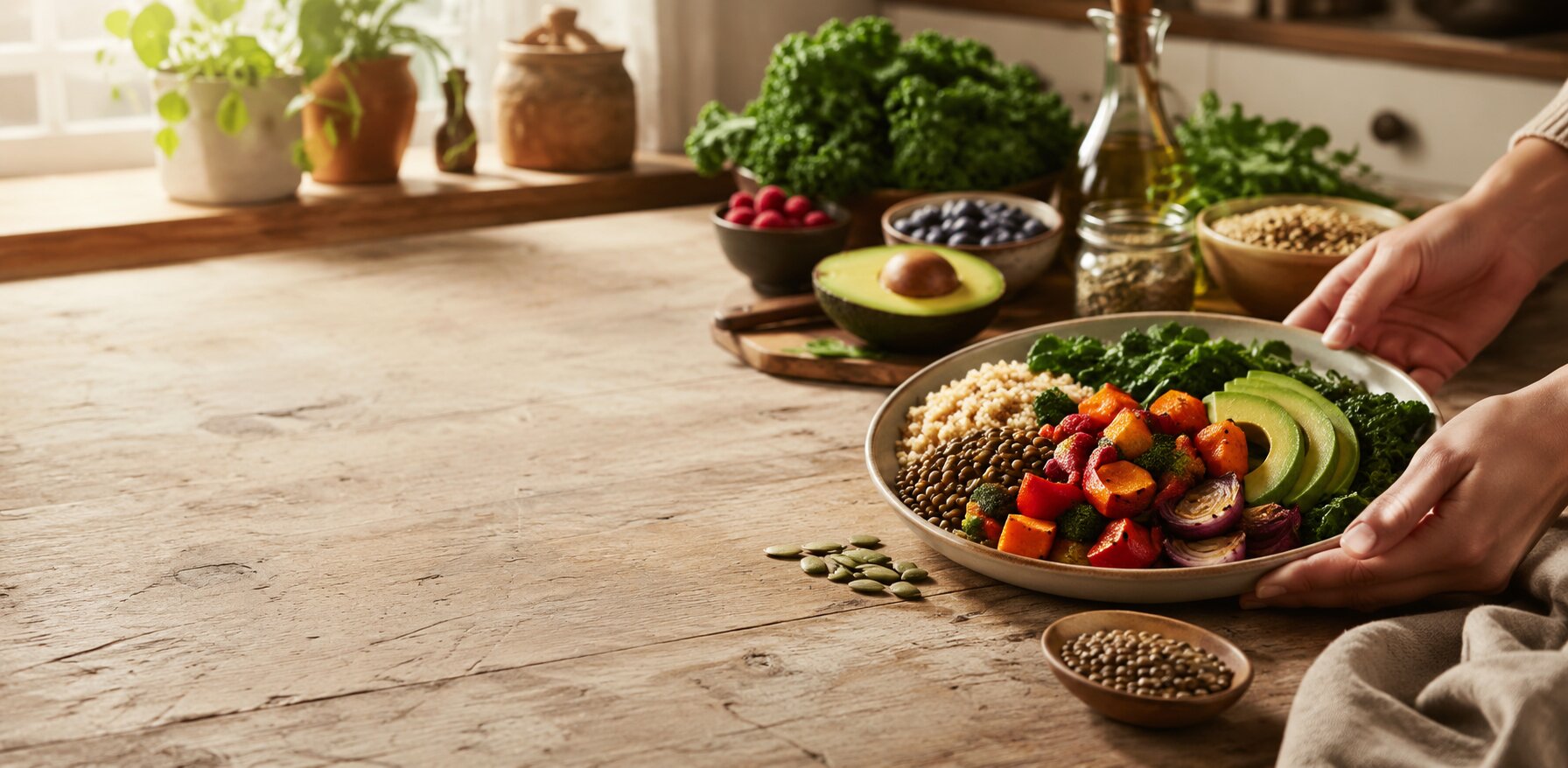
Okay, we've talked about the research. We've talked about the foods that help. So now let's put it all together.
Here's what a day of eating could look like:
Breakfast: Oatmeal with ground flaxseed, walnuts, and berries. You're hitting four of the major pillars in the morning. Or cooked millet (great source of resistant starch) with salsa. Or how about a banana-berry smoothie with flaxseeds? You can add your plant protein right in there.
Lunch: Lentil soup with vegetables, whole grain, and a salad. Getting fresh vegetables, plant protein, fiber, and sterols together. Or a salad beside a bean burrito using a whole-grain tortilla. (Our homemade whole wheat tortillas are the best.)
Dinner: A very large vegetable salad (strive for 1 large salad a day), along with tempeh or edamame stir-fry with vegetables over brown rice. You'll be getting soy protein, fiber, and antioxidants.
Snack: One ounce of almonds during the day. This will provide you with the benefits of phytosterols, vitamin E, and healthy plant fats.
Here are the four swaps that make the most impact:
- Eating beans, lentils, and soy foods instead of red meat and processed meat. This removes a lot of saturated fat while adding plant protein and fiber.
- Replace full-fat dairy and butter with avocados and nut-based spreads. This oil change will maximize LDL reduction. For the biggest shift, don’t include coconut oil at all.
- Include at least one serving of fresh fruit or raw vegetables at each meal. Eat one large salad every day. Build a full-meal salad, with plant-based protein (nuts, seeds, beans, or soy) instead of chicken or beef. This provides soluble fiber, phytosterols, antioxidants that protect LDL from oxidative damage, and micronutrients that reduce inflammation.
- If you do this right, you will automatically eat fewer starches. As a bonus, eat whole grains instead of white bread and added sugar. This will help lower triglycerides, support HDL, and, if you choose oats or barley, add more of the soluble fiber that directly lowers LDL.
When you do this wholeheartedly, you will start seeing results within a couple of weeks and certainly can measure differences in LDL cholesterol within four weeks. By nine weeks, in most cases, your LDL will be significantly different, based on the research cited in this article. And if you keep it up, you will have great results at three months, six months, and even 12 months later. This is a lifelong plan that will build the health of your whole body.
Helps to Get Faster Results
Hallelujah Diet has a couple of products that would make your transition more comfortable and more convenient. We can save you time and reduce the frustration along the way.
First is Fiber Cleanse, which contains a USDA-certified 100% organic, balanced blend of 28 herbs in a psyllium and flaxseed base to help you cleanse the colon, restore optimal bowel function, and ensure the timely elimination of toxins from the body. The soluble fiber helps bind LDL and prevents its reabsorption.
Second, we offer B-flax-D, which is USDA-certified 100% organic ground flaxseed fortified with vitamin B12, vitamin D, vitamin K2, zinc, B6, and selenol yeast. Fiber Cleanse is a short-term solution, but B-Flax-D provides a long-term supply of flaxseed.
Third, Hallelujah Diet Essential Protein gives you a convenient source of plant protein as you transition to a more plant-forward way of thinking about food prep. This 100% organic protein blend ensures that you get sufficient protein while you develop your regular food routine.
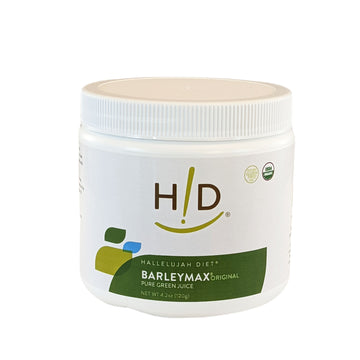
Fourth is BarleyMax, our premier organic barley grass juice product. Even a small serving provides unique flavanoids and nutrients not found in other plant products that help boost energy, promote healing, and detoxify the body.
Fish oil is another heart-friendly dietary supplement worth considering, especially if you have elevated triglyceride levels. An omega-3 index above 8% is recommended for optimal cardiovascular protection, including anti-inflammatory and anti-arrhythmic benefits that complement everything else we've discussed.
Conclusion
Elevated cholesterol is due to the body being out of balance. When we provide the body with the nutrients it needs and remove toxins, it is designed to heal itself. In this case, it will regulate cholesterol and keep it in the normal range.
The diet we described here provides the inputs your body needs to regulate cholesterol.
As you can see from the information here, it isn't one single food that reduces LDL cholesterol by about 30%. It's a portfolio of foods that work through multiple mechanisms simultaneously, doing the trick.
- Soluble fiber binds up bile salts, creating more LDL demand in the liver.
- Plant sterols reduce cholesterol absorption from the intestine, also increasing demand for LDL in the liver.
- Plant protein upregulates the receptors that pull LDL from the blood.
- Nuts deliver multiple mechanisms simultaneously, while also addressing the Lp(a) risk factor.
- Replacing saturated fat with plant fats removes the primary dietary suppressor of LDL receptor activity.
- Flaxseed lignans and fiber reinforce the bile and absorption mechanisms through complementary pathways not used by other foods.
- High intake of fruits and vegetables provides a wealth of antioxidants that protect LDL from oxidation.
By working together, this portfolio of foods gives you the best chance of reducing LDL cholesterol by dietary means.
But the same dietary pattern that lowers LDL also has side benefits—it reduces CRP, blood pressure, insulin resistance, and body weight.
These are all related and respond to the same healthy dietary pattern. A whole-foods plant-based diet works great. The Hallelujah Diet emphasizes more raw foods than most whole food diet programs, so its anti-inflammatory properties are even stronger, and it also works very well for reducing cholesterol.
Where to start with the Hallelujah Diet? We have lots of resources at myhdiet.com, but the best place to start is here.
And of course, do not adjust or discontinue your medications based solely on your dietary changes without consulting your physician. As your body improves and becomes healthier, you and your doctor can work together to adjust your medications so you no longer need them.
The research profiled here suggests that you can reach the point of having that conversation with your doctor about reducing or eliminating your medications. You should look forward to that great day. Visualize that conversation and be grateful in advance for being granted the knowledge and guidance to make that day a reality.
References
1. Jenkins DJ, Popovich DG, Kendall CW, Vidgen E, Tariq N, Ransom TP, et al. Effect of a diet high in vegetables, fruit, and nuts on serum lipids. Metabolism. 1997;46:530–7. https://doi.org/10.1016/s0026-0495(97)90190-6.
2. Jenkins DJ, Kendall CW, Marchie A, Faulkner DA, Wong JM, de Souza R, et al. Effects of a dietary portfolio of cholesterol-lowering foods vs lovastatin on serum lipids and C-reactive protein. JAMA. 2003;290:502-10. https://doi.org/10.1001/jama.290.4.502.
3. Wright N, Wilson L, Smith M, Duncan B, McHugh P. The BROAD study: A randomised controlled trial using a whole food plant-based diet in the community for obesity, ischaemic heart disease or diabetes. Nutr Diabetes. 2017;7:e256. https://doi.org/10.1038/nutd.2017.3.
4. Najjar RS, Moore CE, Montgomery BD. A defined, plant-based diet utilized in an outpatient cardiovascular clinic effectively treats hypercholesterolemia and hypertension and reduces medications. Clin Cardiol. 2018;41:307–13. https://doi.org/10.1002/clc.22863.
5. Campbell EK, Fidahusain M, Campbell II TM. Evaluation of an Eight-Week Whole-Food Plant-Based Lifestyle Modification Program. Nutrients. 2019;11:2068. https://doi.org/10.3390/nu11092068.
6. Fontané L, Pedro-Botet J, Garcia-Ribera S, Climent E, Muns MD, Ballesta S, et al. Use of phytosterol-fortified foods to improve LDL cholesterol levels: A systematic review and meta-analysis. Nutr Metab Cardiovasc Dis. 2023;33:1472–80. https://doi.org/10.1016/j.numecd.2023.04.014.
7. Khaw K-T, Sharp SJ, Finikarides L, Afzal I, Lentjes M, Luben R, et al. Randomised trial of coconut oil, olive oil or butter on blood lipids and other cardiovascular risk factors in healthy men and women. BMJ Open. 2018;8:e020167. https://doi.org/10.1136/bmjopen-2017-020167.
8. Neelakantan N, Seah JYH, van Dam RM. The Effect of Coconut Oil Consumption on Cardiovascular Risk Factors: A Systematic Review and Meta-Analysis of Clinical Trials. Circulation. 2020;141:803–14. https://doi.org/10.1161/CIRCULATIONAHA.119.043052.
9. Sadat Masjedi M, Mohammadi Pour P, Shokoohinia Y, Asgary S. Effects of Flaxseed on Blood Lipids in Healthy and Dyslipidemic Subjects: A Systematic Review and Meta-Analysis of Randomized Controlled Trials. Curr Probl Cardiol. 2022;47:100931. https://doi.org/10.1016/j.cpcardiol.2021.100931.
10. Sala-Vila A, Fleming J, Kris-Etherton P, Ros E. Impact of α-Linolenic Acid, the Vegetable ω-3 Fatty Acid, on Cardiovascular Disease and Cognition. Adv Nutr. 2022;13:1584–602. https://doi.org/10.1093/advances/nmac016.
11. Shah B, Newman JD, Woolf K, Ganguzza L, Guo Y, Allen N, et al. Anti-Inflammatory Effects of a Vegan Diet Versus the American Heart Association-Recommended Diet in Coronary Artery Disease Trial. J Am Heart Assoc. 2018;7:e011367. https://doi.org/10.1161/JAHA.118.011367.