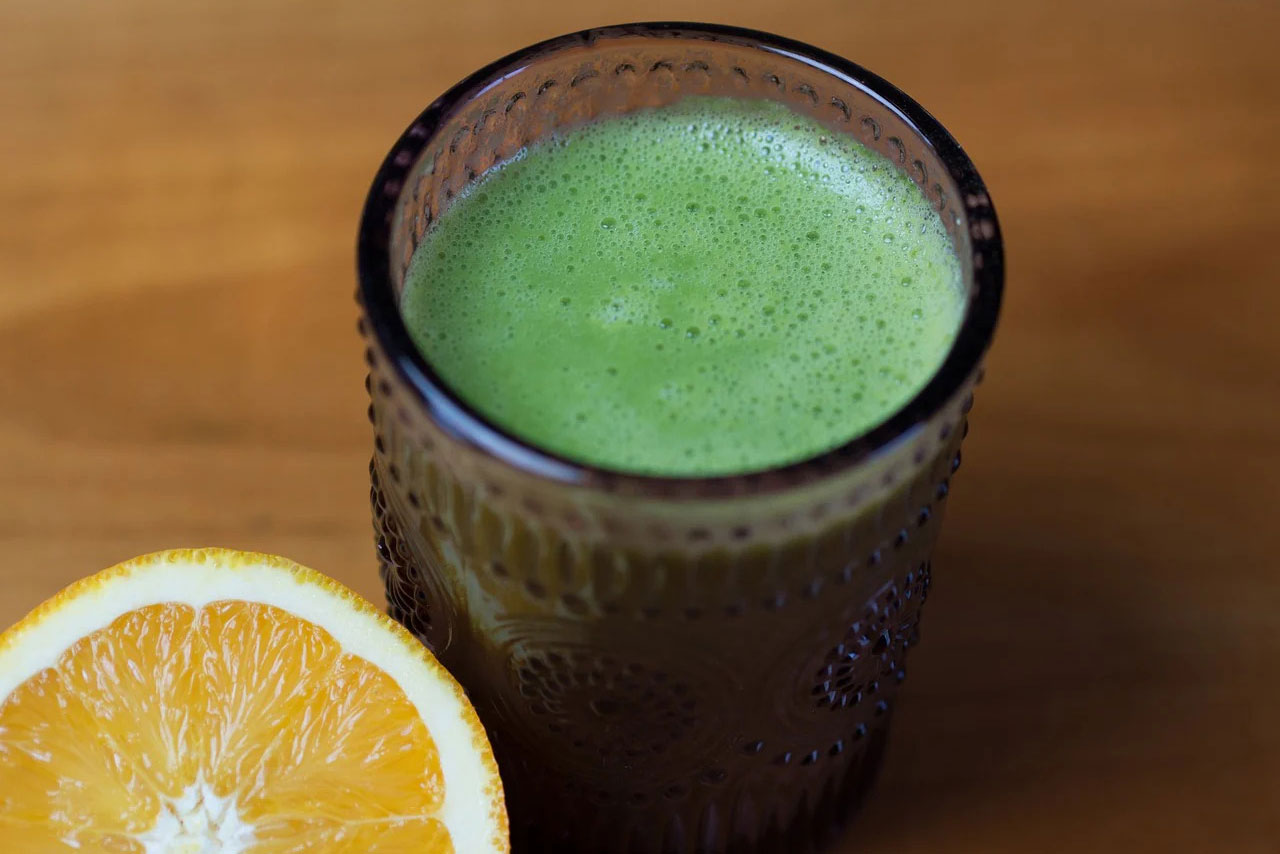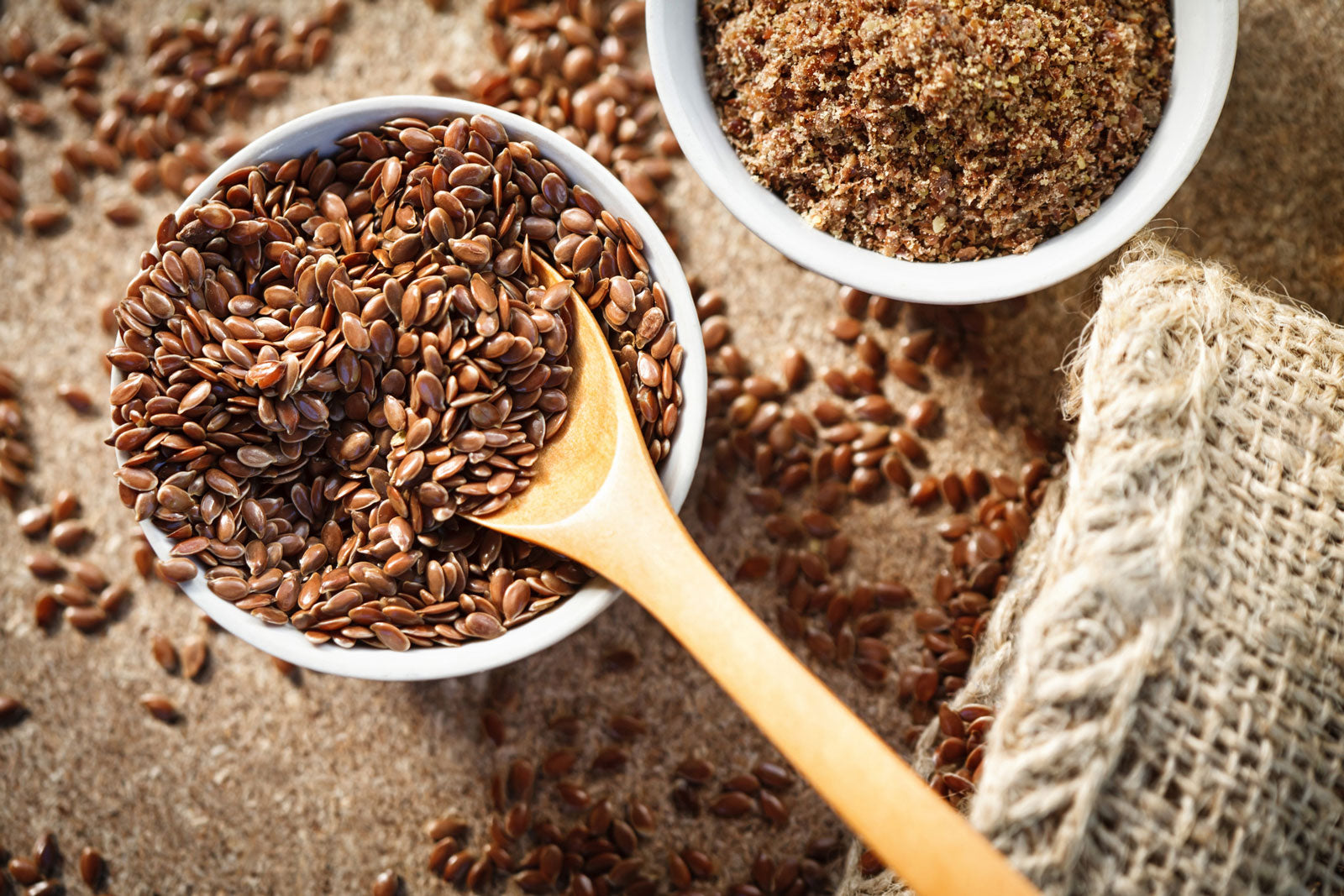



One powder is bursting with raw, digestible vitamins, minerals, enzymes, phytonutrients and the other powder is fancy hay sold in a bottle rather than a bale. You need to know the difference between barley grass juice powder and whole leaf powder, and in this article we will make the difference clear and memorable.
If you don't know you will buy a cheaper, inferior product. Then you will think all barley grass products are bad, taste awful and don't deliver results. But here at Hallelujah Diet we know that our premium, raw, organic barley grass juice powder, BarleyMax, does deliver fantastic results based on the testimonies of thousands of satisfied customers who keep buying BarleyMax year after year.
Which One Tastes Like the Fresh Produce?
Grape juice vs raisins?
Plum juice vs dried prunes?
Apple juice vs dried apples?
Carrot juice powder vs dried whole carrot pulp?
We all know these products (well, maybe not the carrot one so much...yet), and we easily recognize the differences between them. But we aren't as familiar with barley grass products. What difference does it really make?
Barley Grass Juice Powder vs Barley Grass Powder
The difference is in how these two products are made. Leaf powder is just expensive hay. Juice powder tastes like fresh squeezed juice from the plant. No fiber, just juice.
Many people, when they taste carrot juice for the first time have a bit of an epiphany. They had no idea that carrot juice could be sweet and delicious. Their only experience with carrots was chewing up the whole carrot as carrot sticks or in a salad or something like that. The juice is a whole new delightful experience.
This analogy is even more true for barley grass juice and barley grass powder. The taste and nutrition of the barley grass juice powder is exceptional, and the barley grass powder tastes bad, like hay mixed into water. Because that is what it is.
To make barley grass powder the grass is dried and then micronized into small particles that flow into a jar and that will kind of mix into water.
To make barley grass juice powder the grass is cut and then juiced, removing the fiber. The chilled juice is then carefully dried with as little heat as necessary and a blanket of inert CO2 to prevent oxidation of sensitive nutrients (in the case of BarleyMax at least) into a powder without carriers or additives. The final product is just the dehydrated juice powder from organic barley grass. It mixes into water by shaking, doesn't separate into layers of fiber and brown water, and smells and tastes just like the juice did before it was dried.
What Does Barley Grass Powder Actually Taste Like?
Back in the day, when I was testing barley grass powder next to the barley grass juice powder, I did a lot of tasting of this stuff. But it was an experience I actually enjoyed, and I don't really want to repeat it again, especially if I have to pay for it.
It's a bit like tasting hay dissolved in water. I mean, it's fibrous, it doesn't taste like juice at all. It's not a pleasant experience, and I don't really want to do it again.
On the other hand, I taste barley grass juice powder every day. It's mild when you mix it in the right dilution. The powder smells like grass. The glass doesn't have any gritty, thick residue on the bottom; it all stays in suspension.
Here's why there's such a big difference.
When you dry intact plant cells, the powder you get contains all the fiber and the cellular material of the leaf. When you mix it with water, the fiber absorbs water and makes a thick, almost grainy suspension that doesn't really dissolve.
The heat that you need to dry the intact plant cells also drives off the volatile compounds. Those are the aromatic molecules that give fresh plants their characteristic smell and flavor. That's gone when you heat it. And what's left is just a flat, unpleasant, hay-like flavor.
When you juice the barley grass first and then dry just the juice, you get a powder that is essentially juice. The volatile compounds are preserved because less heat is needed. The flavor profile is very close to the original plant, if done very carefully, and then when you stir it into water, you're essentially reconstituting the juice.
Well, I've tasted both barley grass powder and barley grass juice powder. The difference between them isn't subtle. You'll never mix them up. If you've tried a barley grass product and didn't like it, there's a good chance it was a whole-leaf powder.
Barley Grass Juice Powder vs Barley Grass Powder: A Side-by-Side Comparison
People ask all the time what the practical differences are between these two products. Here they are laid out very clearly for you.
|
The key distinction buried in this table is bioavailability. Both products have similar numbers on a standard nutrient panel because the laboratory analysis breaks down plant cells chemically. But your digestive tract is not a chemistry lab. You can't break down cellulose. You don't use strong acids the way a chemistry lab does.
The nutrients remain locked inside intact plant cells, and they're not going to be absorbed by your body because they're stuck inside the cells. Only the nutrients already extracted from the cells during the juicing process are actually available for you; that's the whole point.
The Proof is Revealed in Enzyme Testing
At Hallelujah Diet we have pioneered the method for determining how much heat has been applied to a food product that is claimed to be raw. Over the years at the Raw Food Lab we have done extensive testing on many types of products to see if "raw" products are actually enzymatically active and truly raw.
Heat destroys enzymes and destroys the vitality of raw, living foods. As living beings, we thrive when a large portion of our diet comes from raw, living foods. Life begets life. Living beings thrive on living foods. That is just the way we were designed.
Raw Food Lab Testing Results: Juice Powders Rule
Years ago we bought all of the well-known barley grass juice products and barley grass powder products and submitted them to our panel of enzyme tests. The results are compiled here in order of rank. The products with the highest enzyme activity are at the top of the list and the ones with very low enzyme activity are at the bottom of the list.
The products can be broken into 4 tiers of enzyme activity. The juice powders are at the top of the list and the whole leaf powders are at the bottom of the list. Most of the whole leaf powders had almost no enzyme activity, barely being detectable by our sensitive assay method.
Enzyme Testing Shows Whole Leaf Powders are Heated
First, the enzyme tests reveal that whole leaf barley powder products are exposed to more heat than the juice powder products. It requires more heat or time to dry intact plant cells than it does to dry a juice already extracted from plant cells. When enzymes are exposed to elevated heat for too long, the enzymes are deactivated in these products. The longer heat exposure also means that other sensitive nutrients, like volatile essential oils, are also lost.
Nutrients Remain Locked Up in the Fiber of Whole Leaf Barley Grass Powder
The second problem with whole-leaf barley grass powder is that most of the plant cells remain intact in the product. Normally, we chew whole plant foods to break open the cells. But no one chews grass powder stirred into a glass of water. It is already in small pieces, too small to chew. But they are not all broken open at the cellular level.
As a result, the nutrition in those cells, although it shows up in a nutritional analysis, won’t do you any good. The plant cells that go down our throats intact will not get digested because we do not have the enzymes to break down cellulose, hemicellulose and pectin in our system. Only the nutrients that are extracted from the plant cells are available to enhance health. Many of the nutrients remain locked inside the cell structure of the dehydrated leaves. These whole-leaf products are just expensive fiber. Hay will sustain cows through the winter, or on a feedlot, but we don't have the digestive tract of a cow to extract nutrition from intact grass. We need the juice from the grass to derive benefit from it.
What Does the Research Say About Barley Grass Juice?
There is no randomized controlled trial comparing barley grass juice powder to whole leaf powder in humans yet. But there is a growing body of research on barley grass juice itself, covering everything from blood sugar and inflammation to gut health, DNA protection, and even mood. I have written separate articles on each of these topics. Here is a quick overview with links to the full articles if you want to go deeper.
- The grass juice factor: Barley grass juice contains compounds not found in other foods that researchers still cannot fully identify or replace. This mysterious nutritional factor has fascinated scientists for nearly a century. Read more about why barley grass juice is your ultimate superfood.
- Inflammation: A flavonoid called saponarin in barley grass juice is as potent an antioxidant as vitamin E. In one mouse study, a barley grass extract boosted survival from severe inflammation from 20% to 80%. Read more about barley grass and inflammation.
- Gut, joint, and liver health: Research shows barley grass juice may ease ulcerative colitis in people, protect the liver during severe infection, and show activity against rheumatoid arthritis in lab studies. Read more about barley grass and gut, joint, and liver health.
- Blood sugar and diabetes: Animal studies show barley grass juice significantly reduced fasting blood glucose, improved cholesterol and triglyceride levels, and reduced oxidative stress in diabetic rats. Read more about barley grass juice and diabetes.
- DNA protection and antioxidant activity: Our own Raw Food Lab testing showed that even a dilute solution of BarleyMax protected colon cancer cells from DNA damage caused by hydrogen peroxide. A separate study in rats found barley grass juice reduced DNA double-strand breaks in radiation-sensitive tissues. Read more about barley grass juice and cellular protection.
- Weight loss: A rat study showed barley grass juice protected the liver and metabolic function even on a high-fat diet. The nutrient density may also help curb cravings. Read more about barley grass juice and weight loss.
- Mood and depression: Three animal studies suggest barley grass extract has antidepressant-like activity, reducing stress-induced immobility and boosting brain-derived neurotrophic factor (BDNF). Human trials are still needed, but the early signals are interesting. Read more about barley grass and depression.
This research was generally done with barley grass juice, juice extracts, or juice powder. To get the full benefits of barley grass, you need to use the grass juice powder. That distinction matters, for all the reasons we covered above.
Ready to Experience the Real Thing?
After 25 years of testing barley grass products in our Raw Food Lab, I can tell you that BarleyMax is still the best barley grass juice powder we have ever tested. It has the highest enzyme activity of any product we have measured, it comes from barley and alfalfa grown at 5,000 feet in a volcanic mineral-rich lakebed, and it is processed with a patented low-heat method specifically designed to preserve what makes the juice valuable.
If you have tried a green powder before and didn't like it, there is a good chance it was a whole leaf product. BarleyMax is not that. It smells fresh, mixes well, and tastes the way barley grass juice is supposed to.
You can choose from original, mint, berry, or alfalfa-free versions, and it comes in both powder and capsule form. Try BarleyMax here and taste the difference for yourself. Hallelujah!